
How Do You Get Grease Out of Leather? Safe & Effective Methods
If you get grease on leather, the best way to remove grease from leather is to start by gently blotting the spill with a clean cloth—avoid rubbing to prevent spreading.
Next, sprinkle talcum powder or cornstarch over the stain and let it absorb overnight. In the morning, brush off the powder to lift the grease.
For tougher spots, use a mild dish soap mixed with warm water to clean gently.
After cleaning, condition the leather to restore softness and protect it.
Keep going for tips on handling different leather types and long-term care.
Understanding the Effects of Grease on Leather

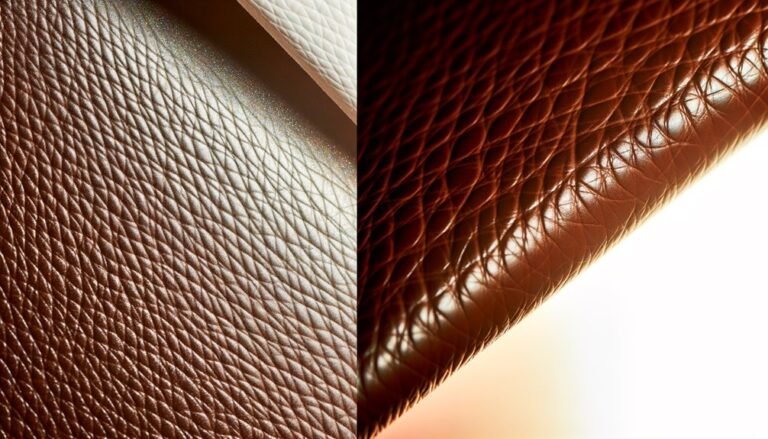
When grease lands on your leather, it quickly seeps into the pores, darkening the surface and dulling its natural shine. This oil penetration causes stubborn stains that can become permanent if you don’t act swiftly.
Grease residues weaken the leather’s fibers, increasing the risk of peeling and surface damage over time. The longer grease stays, the deeper it embeds, making removal much tougher and often requiring specialized cleaning techniques.
Using absorbent powders can help limit grease absorption by drawing out excess oil before it settles. Ignoring grease not only affects leather’s appearance but also compromises its durability, leading to cracking and discoloration.
Understanding these effects highlights why timely and proper grease removal is essential to preserving your leather’s look and lifespan.
Immediate Actions to Take When Grease Spills Occur

If you catch a grease spill early, you can prevent it from soaking deeper into your leather. Acting immediately is key to minimizing damage and removing the grease stain effectively. Here’s what you should do:
- Blot the spill gently with a dry, clean cloth to soak up as much grease as possible. Don’t rub, since that spreads the stain and harms the leather.
- Carefully lift any excess grease using a plastic scraper or your fingernail to reduce the amount left on the surface.
- Sprinkle an absorbent powder like talcum, cornstarch, or baking soda over the grease stain. Let it sit overnight to draw out the oil without damaging the leather.
Taking these immediate steps helps protect your leather and sets you up for easier cleaning later.
Household Remedies for Removing Fresh Grease Stains

Although grease stains on leather can seem formidable, you can effectively tackle fresh spills using common household items. First, immediately blot the grease stains with a dry, clean cloth to stop further absorption.
Then, sprinkle baby powder, cornstarch, or talcum powder generously over the stain; these powders help absorb oil naturally. Let the powder sit for several hours or overnight.
Afterward, use a gentle brush to remove the powder carefully. For stubborn spots, you can repeat this process or apply a small amount of dish soap mixed with warm water, blotting gently.
| Step | Action |
|---|---|
| 1 | Blot fresh grease stains |
| 2 | Sprinkle absorbent powder |
| 3 | Let powder sit (hours/overnight) |
| 4 | Brush off powder gently |
| 5 | Repeat or use mild soap solution |
Using Talcum Powder and Cornstarch to Absorb Grease
Since grease stains can penetrate leather deeply, applying talcum powder or cornstarch directly onto the affected area helps draw out excess oil effectively. These powders absorb grease by pulling it from the leather pores, making stain removal easier. Here’s how to use them:
- Generously cover the grease stain with talcum powder or cornstarch, ensuring full coverage.
- Let the powder sit overnight to absorb as much grease as possible.
- Gently brush off the powder with a soft cloth or brush to remove residual powder and lifted grease.
If the stain persists, repeat the process. Using talcum powder or cornstarch is a simple, effective way to tackle grease stains without harsh chemicals, preserving your leather’s appearance while absorbing unwanted oils.
Effective Cleaning Solutions for Set-In Grease Stains
When tackling set-in grease stains, start by applying talcum powder or cornstarch to soak up the oil overnight. Next, gently rub the area with a mix of dish soap and warm water to break down stubborn residue.
For tougher spots, try using rubbing alcohol or a leather-safe degreaser to loosen the grease without harming your leather.
Powder Absorption Techniques
If you want to tackle set-in grease stains on leather, using absorbent powders like talcum powder, cornstarch, or baking soda can be highly effective. These powders work through powder absorption, drawing oil from the leather pores without damaging natural leather.
Here’s how to use them for stain removal:
- Sprinkle talcum powder, cornstarch, or baking soda generously over the dry grease stain.
- Leave the powder on overnight to let it fully absorb the oil.
- Gently brush or wipe away the powder with a soft cloth, repeating the process if the stain persists.
This method is especially useful for porous leathers such as aniline, as absorbent powders help prevent permanent staining by lifting grease without rubbing it deeper into the leather.

Soap and Water Cleaning
Absorbent powders work well to lift grease from leather, but for stains that remain stubborn, you can turn to a gentle soap and water solution. Mix equal parts dish soap and warm water to create a sudsy mixture.
Apply the solution gently to the stained leather using a microfiber cloth, rubbing along the grain to avoid damage. After cleaning, use a clean, damp cloth to wipe away all soap residue. This step is vital to prevent any soap from harming the leather.
Finally, blot the area dry with a soft towel to keep moisture from soaking in. If the stain persists, repeat the process carefully, but avoid scrubbing too hard to protect your leather’s surface. This method effectively cleans set-in grease stains without harsh chemicals.
Alcohol-Based Removal Methods
Although soap and water work for many stains, rubbing alcohol can break down grease molecules more effectively on set-in spots. For effective grease removal using alcohol-based methods, follow these steps:
- Test rubbing alcohol on a hidden part of the leather to check for discoloration before spot cleaning the leather stain.
- Apply alcohol sparingly by dabbing a small amount onto a clean cloth, gently pressing onto the grease stain without rubbing vigorously.
- Wipe the area with a damp cloth to remove any residue, then dry thoroughly to prevent damage.
For stubborn stains, repeat this process gently, but avoid excessive use to protect your leather. Using rubbing alcohol carefully ensures safe and effective grease removal.
Specialized Techniques for Delicate and Suede Leather
When you’re dealing with delicate or suede leather, you’ll want to use gentle, suede-safe methods to lift grease without harming the material. Avoid water and harsh chemicals, and instead rely on soft brushes, powders, or mild solutions tested on hidden spots. Taking these careful steps helps preserve the leather’s texture and appearance while effectively removing grease.
Suede-Safe Cleaning Methods
If you want to protect your suede or delicate leather while removing grease, you need to handle the stain with care and the right techniques. Start by gently brushing away surface dirt with a soft-bristled brush to avoid embedding grime. Then, try these suede-safe cleaning methods for effective stain removal:
- Sprinkle cornstarch or talcum powder on grease stains; let it sit overnight to absorb oil without harming the delicate leather’s texture.
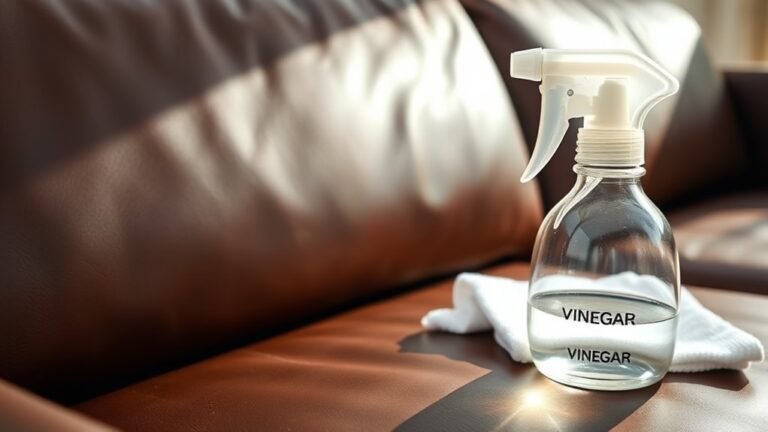
- Lightly dab the area with a cloth dampened in equal parts white vinegar and water, avoiding excess moisture that can damage fibers.
- For persistent spots, use a suede eraser or cleaning block to lift grease gently without abrasive scrubbing.
Always test cleaning methods on a hidden spot first to ensure safety and maintain your suede’s look.
Delicate Leather Care
Handling grease stains on delicate leather like suede or nubuck calls for specialized care to avoid damage. For effective grease removal, use gentle cleaning methods such as a soft brush or eraser to lift stains without soaking the material.
A mix of white vinegar diluted with water can help break down grease, but always spot-test first to prevent discoloration. After cleaning, apply a protective spray designed for suede care to maintain softness and guard against future stains.
| Cleaning Method | Purpose |
|---|---|
| Soft Brush | Lifts surface grease gently |
| White Vinegar Solution | Breaks down grease stains |
| Protective Spray | Shields leather from stains |
These steps ensure safe and effective stain removal on your delicate leather.
How to Clean Grease From Synthetic and PU Leather
Wondering how to tackle grease stains on synthetic and PU leather without causing damage? To remove grease and oil stains effectively while practicing proper leather care, follow these steps:
- Blot excess grease gently with a soft cloth. Never rub, as this spreads the stain. Then sprinkle absorbent powders like baking soda or cornstarch on the spot and let it sit for several hours to soak up oil.
- Mix a small amount of dish soap with warm water and use a microfiber cloth for gentle cleaning, breaking down grease without harming the material.
- For stubborn stains, apply a diluted vinegar solution (equal parts vinegar and water), then wipe with a clean damp cloth to lift residues.
Always avoid harsh chemicals and abrasive tools to protect your synthetic leather and PU leather during leather stain removal.
Conditioning and Protecting Leather After Cleaning
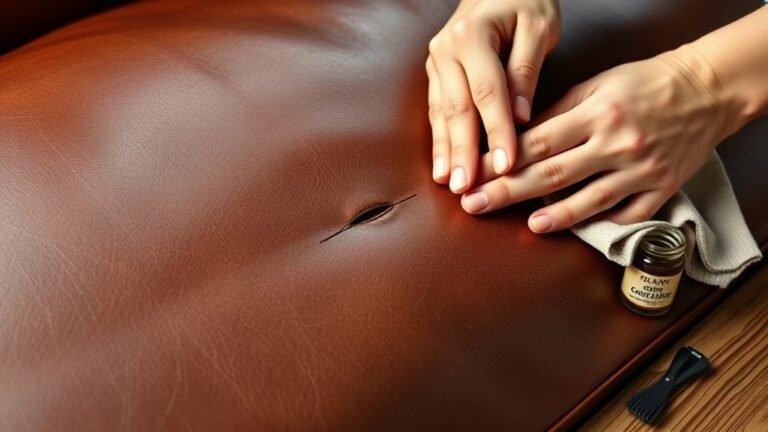
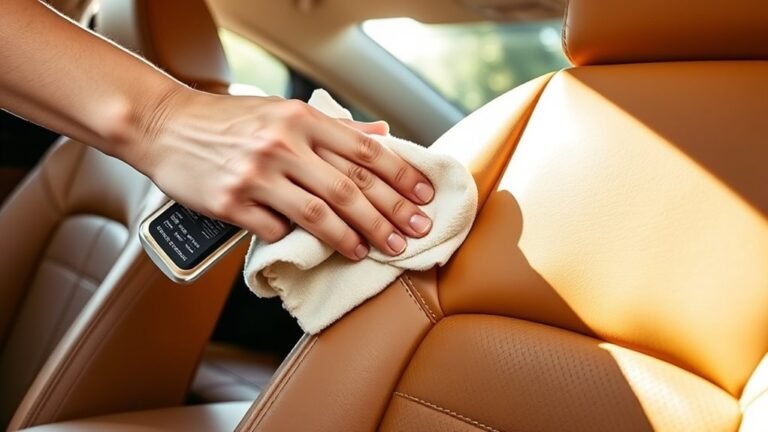
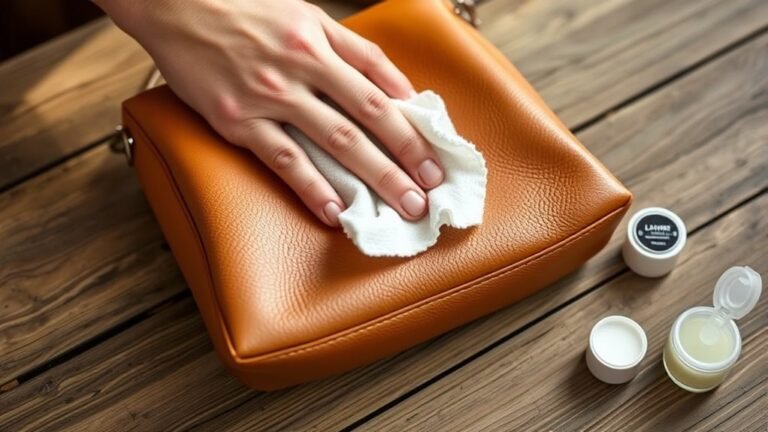
Once you’ve removed grease stains from your leather, it’s important to restore its natural moisture by applying a high-quality leather conditioner. To condition the leather properly, use a soft cloth to evenly spread the conditioner, working it into the leather’s natural grain.
This step helps prevent the leather from drying out, cracking, or stiffening after cleaning, aiding in effective leather restoration. Regularly conditioning every 3-6 months will maintain leather’s appearance and create a protective barrier against future damage.
Make sure to let the conditioner fully absorb before exposing your leather to moisture or sunlight. Proper care like this preserves the leather’s moisture and suppleness, ensuring your items stay soft, durable, and looking their best for years to come.

Tips to Prevent Future Grease Stains on Leather Goods
Although grease stains can be tough to remove, you can substantially reduce their occurrence by taking proactive steps. To prevent future stains and protect your leather goods, follow these tips:
- Regularly clean and condition your leather with products designed to seal and protect its surface. Always spot-test new products first to avoid damage.
- Avoid direct contact with grease by using protective covers or layers when handling oily foods or substances.
- Store leather items in cool, dry places away from grease sources, and act quickly to blot any fresh stains with a clean cloth.
Consistent care and proper cleaning routines will help maintain your leather’s appearance and extend its life, making grease stains much easier to manage or avoid altogether.
Frequently Asked Questions
Does Grease Damage Leather?
Yes, grease does damage leather. If you don’t remove it quickly, it penetrates pores, causing discoloration, drying, cracking, and weakening fibers.
You’ll want to clean grease promptly to keep your leather looking and feeling great.
Is It Okay to Use Dawn Dish Soap on Leather?
You can use Dawn dish soap on leather, but don’t go overboard. Like a gentle breeze, dilute it with water, test first, wipe off residue, and condition afterward to keep your leather happy and healthy.
How Do You Clean Greasy Leather?
You clean greasy leather by blotting excess oil, sprinkling baking soda overnight, then gently brushing it off.
Wipe with mild soap and water, test leather cleaner first, and always finish by conditioning to keep it supple.
Does Rubbing Alcohol Remove Oil From Leather?
Yes, rubbing alcohol can remove oil from leather, but you should test it on a hidden spot first. Use it sparingly with a soft cloth, then condition the leather to prevent drying or cracking.
Conclusion
Grease stains can damage leather if left untreated, but acting quickly makes a big difference. Did you know that 90% of leather damage from stains can be prevented with prompt cleaning?
By using household remedies like cornstarch or talcum powder and following proper care, you’ll keep your leather looking great. Remember to condition your leather after cleaning to maintain its softness and durability.
With these tips, you’ll protect your leather goods from future grease mishaps. Proper grease removal from leather is essential for preserving its beauty and longevity.