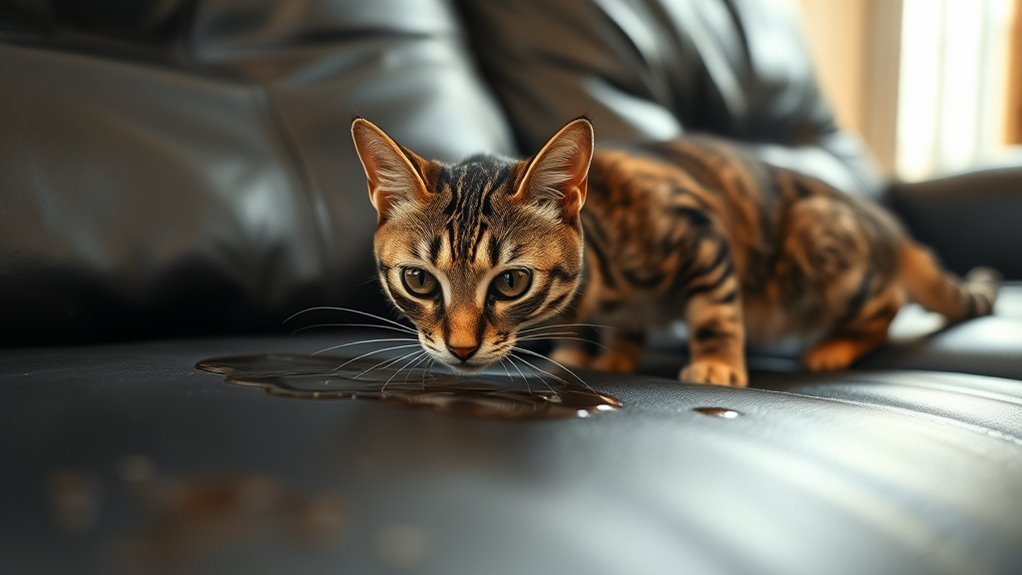
Why Do Cats Pee on Leather Furniture? Causes & Solutions
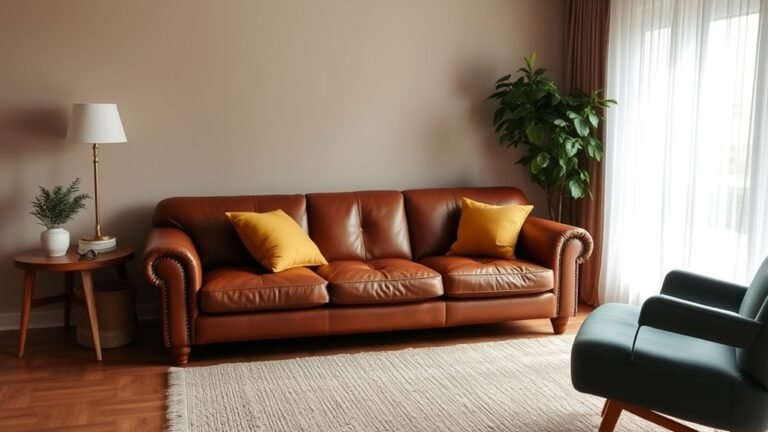
If your cat pees on leather furniture, it’s often about marking territory or feeling stressed. Cats are naturally drawn to leather’s texture, which makes it an appealing surface to leave their scent. This behavior signals insecurity or a desire to claim dominance within their environment.
Sometimes, medical issues like urinary infections cause this behavior. You’ll want to monitor for signs such as frequent urination or discomfort to rule out health problems.
Cleaning promptly with enzymatic products helps remove odors that encourage repeat marking.
Keeping an eye on your cat’s health and environment can reduce this habit. Explore various ways to prevent it from happening again to protect your leather furniture and maintain harmony at home.
Common Reasons Cats Target Leather Furniture

Although it can be frustrating, cats often pee on leather furniture because they’re trying to mark their territory or reacting to stress. Leather surfaces have a unique texture that some cats find appealing when marking, especially if they feel insecure.
When your cat’s urinary tract is healthy, this behavior is more about communication than illness. Stressful changes like new pets or rearranged rooms can trigger marking on leather as your cat tries to reestablish boundaries.
Additionally, if the litter box isn’t clean or has caused discomfort, your cat might seek alternative spots like leather furniture. Understanding these common reasons helps you address the root causes to prevent your cat from targeting leather and maintain a harmonious home.
Identifying Medical and Behavioral Causes

When your cat starts peeing on leather furniture, it’s important to contemplate both medical and behavioral causes. Medical issues such as urinary tract infections or bladder problems often cause cats to urinate outside their litter box.
Behavioral triggers like stress, territorial instincts, or litter box aversion may also lead to urine marking on leather surfaces.
| Cause Type | Indicators |
|---|---|
| Medical Issues | Frequent urination, pain, blood in urine |
| Behavioral Triggers | Stressful changes, new pets, territorial marking |
| Hormonal Factors | Unspayed/unneutered cats marking territory |
Effective Cleaning and Odor Removal Techniques

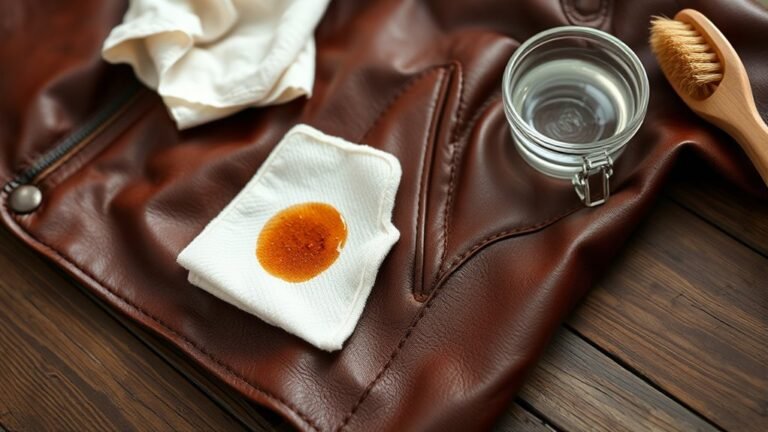
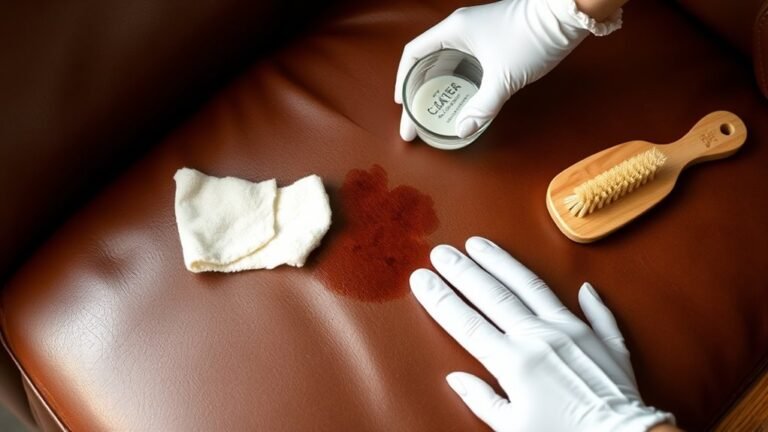
Since cat urine can quickly seep into leather, you’ll want to act fast to clean and remove odors effectively. Start by blotting the urine stain with a dry cloth, don’t rub, or you’ll spread it.
Next, use enzymatic cleaners like Nature’s Miracle to break down urine proteins; these are essential for thorough odor removal. To neutralize ammonia smells, apply a mixture of vinegar and water in a 1:4 ratio, then blot dry.
Avoid harsh chemicals or commercial pet sprays that could damage your leather. Once dry, regularly condition the leather with products like Leather Honey to protect it from future stains.
Acting quickly and using the right cleaners guarantees your leather furniture stays fresh and stain-free.
Strategies to Prevent Urination on Leather
If you want to keep your leather furniture safe from cat urine, you need to take proactive steps that address your cat’s behavior and environment. Start by providing multiple clean litter boxes, one per cat plus an extra, in quiet, accessible spots to reduce the chance of cat pee accidents.
Use scent deterrents or citrus sprays on leather furniture to discourage marking. Cover your leather pieces with pet-proof covers or deterrent mats to create a physical barrier.
Regularly clean and deodorize leather furniture with enzymatic cleaners to remove odors that attract repeat urination. Finally, minimize environmental stress and keep a consistent routine to reduce territorial behaviors.
These strategies work together to protect your leather furniture and keep your home fresh.
When to Seek Professional Help
Taking these preventive steps can substantially reduce your cat’s urination on leather furniture, but sometimes the problem persists. If your cat continues to urinate on your leather couch despite your best efforts, it’s time to seek professional help.
First, consult a veterinarian to rule out medical issues like urinary tract infections or pain, especially if you notice blood in the urine or difficulty urinating. If medical causes are cleared but the behavior continues, a veterinary behaviorist can provide tailored strategies to address stress or anxiety.
Additionally, if odors or stains linger after cleaning, professional upholstery services can prevent your cat from re-marking the leather couch. Acting quickly with professional help protects your furniture and helps resolve your cat’s urination problems effectively.
Frequently Asked Questions
How to Stop a Cat Peeing on a Leather Chair?
You can stop your cat by keeping the litter box clean and nearby, thoroughly cleaning the leather with enzymatic cleaners, using deterrent sprays or covers, reducing stress, and consulting a vet if the issue continues.
How to Get Rid of Cat Urine on Leather Couch?
You know what they say, “nip it in the bud.” Blot the urine quickly, clean with vinegar-water, apply enzymatic neutralizers, let it dry, then condition your leather couch to restore and prevent odors effectively.
What Scent Repels Cats From Peeing?
You can repel cats from peeing by using scents like citrus, vinegar, eucalyptus, lavender, or peppermint.
Just remember, you’ll need to reapply these scents regularly since they fade and lose effectiveness over time.
Why Do Cats Suddenly Start Peeing on Furniture?
Your cat might suddenly pee on furniture because they’re stressed, in pain, or have a medical issue. They may also dislike their litter box or mark territory.
Watch for changes and consult your vet promptly.
Conclusion
If your cat’s turning your leather furniture into their personal restroom, don’t throw in the towel just yet. Understanding why they’re doing it—whether it’s a health issue or behavioral quirk—can help you tackle the problem head-on.
Clean up thoroughly and use prevention strategies to keep your furniture safe. This might include using enzymatic cleaners to remove odors and providing your cat with alternative, appealing bathroom spots.
Remember, patience is your best ally here; with the right approach, you’ll turn this messy situation around and restore harmony in your home. Addressing why cats pee on leather furniture is key to preventing future incidents and protecting your valuable pieces.