What Should I Use to Clean Leather Car Seats? Safe & Effective Options
You should use a cleaner made specifically for automotive leather seats to avoid damage. Choosing a gentle, pH-balanced product is essential for maintaining the quality of your leather car seats. Always test the cleaner on a hidden spot first to ensure it won’t cause discoloration or damage.
Use a soft microfiber cloth and a soft brush to clean dirt without scratching the leather. Avoid harsh chemicals or soaking the leather, as these can cause deterioration.
After cleaning, apply a leather conditioner to keep the material soft and protected.
If you want to keep your seats looking great longer, it helps to know the right steps and tools. Proper care will extend the life and appearance of your leather car seats. Regular maintenance is key to preserving their natural look and feel.
Choosing the Right Leather Cleaner

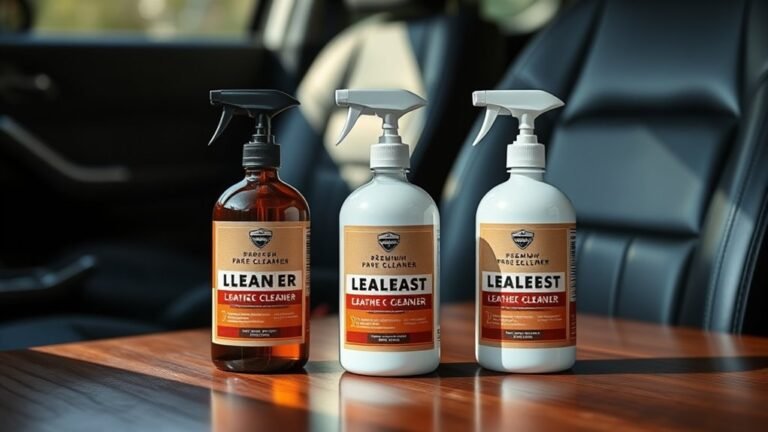
When you’re cleaning leather car seats, choosing the right cleaner is essential to protect the material. You should use a leather cleaner specifically formulated for automotive seats to match the unique texture and finish of your car leather seats.
Always check product labels to see if the cleaning products are designed just for cleaning, conditioning, or both. Opt for gentle, pH-balanced leather cleaners that effectively remove dirt and stains without stripping natural oils or damaging the surface.
Choose gentle, pH-balanced leather cleaners that clean and condition without harming your car seats.
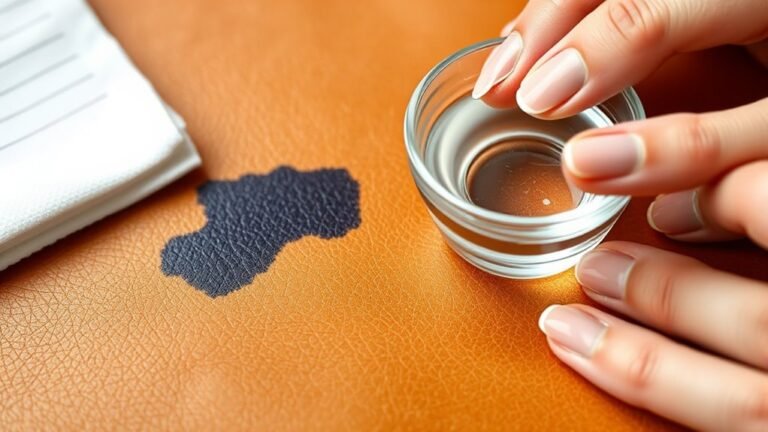
Avoid household products like dish soap or vinegar because they can dry out and ruin the leather. Before applying any cleaner, test it on a small, hidden area to ensure it won’t discolor or harm the leather.
This careful selection helps maintain your car’s interior in top condition.
Understanding Leather Conditioner Benefits

Although cleaning removes dirt and grime, applying a leather conditioner restores moisture and suppleness to your car seats, preventing cracks and wear. A good leather conditioner penetrates the surface, replenishing lost oils and nutrients essential for maintaining leather’s softness and natural shine.
It also forms a protective barrier that shields your seats from harmful UV rays, stains, and environmental pollutants. By regularly conditioning, you’re not just enhancing appearance but actively preventing damage that leads to premature aging and deterioration. This step is crucial for maintaining leather’s durability and extending the lifespan of your car’s interior.
Recommended Tools for Cleaning Leather Seats

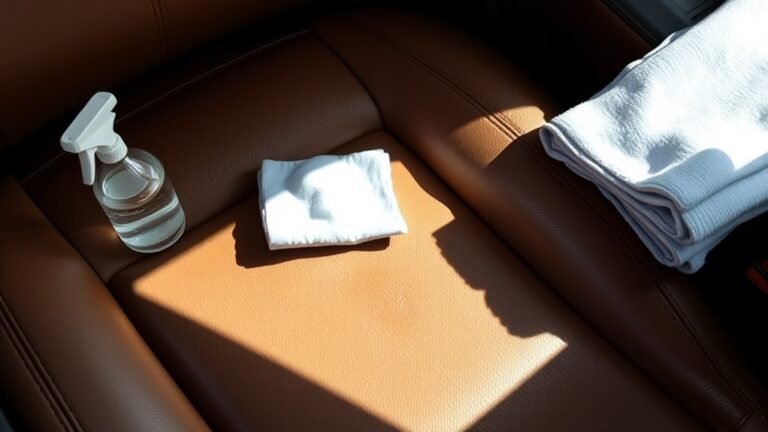
To clean your leather seats effectively, you’ll need the right tools on hand. Microfiber cloths and soft-bristled brushes work best for gentler cleaning and reaching tricky spots.
Using a spray bottle or applicator helps you apply cleaners evenly without soaking the leather.
Essential Cleaning Tools
A few essential tools make cleaning your leather car seats both effective and safe. Start with a microfiber cloth; it gently lifts dirt without scratching your leather. For stubborn grime, use a soft-bristled brush to reach creases and perforations without damaging the surface.
Applying your leather cleaner evenly is easier with a spray bottle or an applicator, ensuring thorough coverage. Before you clean, vacuum your seats using a soft brush attachment to remove loose debris and prevent scratches during the process.
Always choose high-quality leather-specific cleaners and conditioners to maintain your seats’ look and durability. By using these essential tools, you’ll keep your leather seats clean and protected, extending their life and preserving their natural beauty.
Best Cloth Types
Choosing the right cloths plays a crucial role in keeping your leather car seats clean and well-maintained. Microfiber cloths are your best bet since they’re gentle, non-abrasive, and trap dirt and oils effectively.
When dealing with textured or perforated leather, soft-bristled brushes help loosen grime without causing damage. For wiping away cleaning products or applying conditioners, cotton cloths work perfectly, offering a soft and absorbent surface.
Avoid rough or abrasive cloths like steel wool or coarse towels. They can scratch and ruin your leather. Also, use a dedicated, clean cloth for each step to prevent cross-contamination of dirt or cleaning agents. This careful approach extends your seats’ lifespan while keeping them looking fresh and cared for.
Useful Application Brushes
When you clean leather seats, using the right brushes makes all the difference. A soft brush attachment is perfect for your leather cleaning routine because it gently loosens dirt without harming the surface.
Brushes with synthetic bristles or horsehair provide the delicate action needed during the cleaning process, especially for reaching perforations and crevices. Small detailing brushes are invaluable for tight spots and seams, ensuring every inch of your leather gets proper care.
Using these brushes helps distribute the cleaner evenly and lifts stubborn stains effectively. By choosing brushes designed for delicate surfaces, you maintain your leather’s appearance while enhancing the overall cleaning process.
With the right tools, your leather seats will stay clean and look their best for years to come.
Step-by-Step Leather Seat Cleaning Process
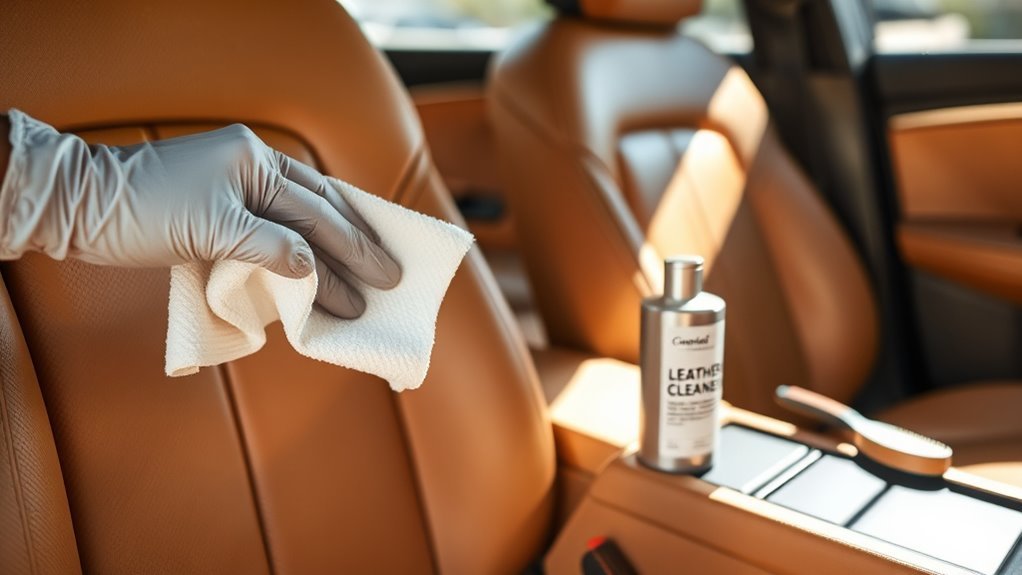
Before you apply any cleaning product, vacuum your leather seats thoroughly using a soft brush attachment to remove loose dirt and debris. Next, spray a quality leather cleaner onto a microfiber cloth or sponge, then gently scrub your seats in circular motions.
This method will help lift stains and grime without damaging the leather. After scrubbing, use a damp microfiber cloth to wipe away all cleaner and loosened dirt, ensuring no residue remains.
Dry the seats thoroughly with a clean, dry microfiber cloth to prevent moisture damage. Finally, apply a leather conditioner to restore moisture and suppleness, protecting your seats from future wear. Regular maintenance using these steps keeps your car’s leather looking fresh and extends its lifespan.
Avoiding Common Cleaning Mistakes
You’ll want to steer clear of harsh chemicals like dish soap or vinegar, as they can damage your leather over time. Don’t soak your seats with too much water or cleaner, since that can cause staining or warping.
Being careful with what and how much you use will keep your leather looking great longer.
Harsh Chemicals to Avoid
Although it might seem convenient to grab common household cleaners for your leather seats, you should avoid harsh chemicals like bleach, ammonia, or dish soap because they strip natural oils and damage the leather.
You also need to stay away from abrasive cleaners and scrubbing pads that can scratch or puncture the delicate surface. Products containing alcohol, solvents, or acetone are a no-go since they dry out the leather and cause discoloration.
Using strong degreasers or industrial agents not meant for leather can ruin the finish. By steering clear of these harsh chemicals, you’ll protect your leather’s natural texture and appearance, keeping your car seats looking great for years to come.
Over-Wetting Risks
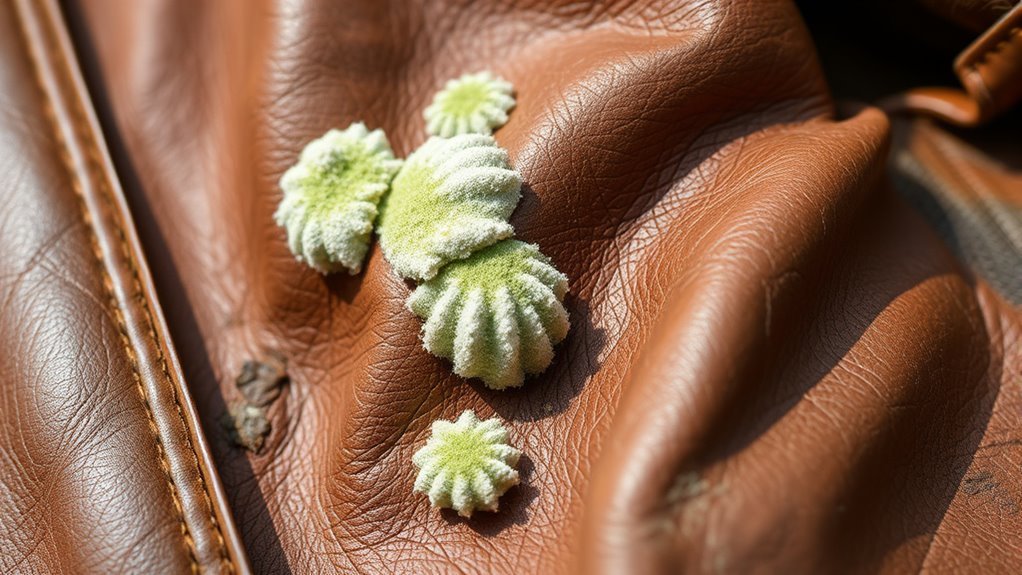
Steering clear of harsh chemicals is just one part of caring for your leather seats. Paying attention to how much moisture you use during cleaning matters just as much. Over-wetting can let water seep into the padding, causing mold, mildew, and unpleasant odors.
Excess moisture also weakens leather fibers, leading to cracks and deterioration over time. If you apply too much cleaning product or conditioner, residue builds up, attracting dirt and dulling your seats.
To prevent this, use only a small amount of cleaner on a damp cloth, never soaking the leather. After cleaning, thoroughly dry your seats with a clean, dry microfiber towel to avoid trapped moisture. Proper drying ensures your leather stays supple and damage-free, preserving its look and longevity.
Protecting Leather Seats After Cleaning
To keep your leather car seats looking their best after cleaning, apply a high-quality leather conditioner with UV inhibitors to restore moisture and protect against sun damage. Conditioning your seats regularly creates a protective barrier that prevents cracking and fading.
Additionally, using a leather protectant spray with UV blockers enhances this defense, shielding seats from harmful rays and maintaining their vibrant color. Avoid harsh chemicals; stick to products designed specifically for leather care to guarantee ideal preservation.
Consistent protection not only extends the life of your seats but also keeps them looking fresh longer.
Condition leather at least twice a year for lasting softness
Use leather protectant sprays containing UV inhibitors
Create a protective barrier against stains and sun damage
Avoid household cleaners that can degrade leather quality

Tips for Maintaining Leather Seat Quality
How can you keep your leather car seats looking new and feeling soft over time? Start with regular maintenance by vacuuming and wiping them down with a microfiber cloth to remove dirt that can cause cracking.
Stick to proper cleaning methods. Use a dedicated leather cleaner and conditioner every 3 to 6 months to maintain suppleness and prevent fading. Avoid household products like vinegar or lemon juice, which can damage leather.
Don’t forget to apply a UV protectant conditioner to shield your leather seats from sun damage and discoloration. Always test any product on a small, hidden area first to ensure it won’t harm your leather.
Following these tips will help you preserve your car’s interior and keep your leather seats in excellent condition for years to come.
Frequently Asked Questions
What Is the Best Thing to Clean Leather Car Seats With?
You should use a dedicated leather cleaner like Lexol or Weiman, combined with a soft microfiber cloth. Avoid harsh household products, and always follow up with a conditioner to keep your leather seats soft and protected.
What Should You Not Put on a Leather Car Seat?
Don’t put ammonia, bleach, household oils, vinegar, lemon juice, or alcohol-based cleaners on leather seats. They’ll damage the surface. You might think natural oils help, but they actually stain and weaken the leather over time.
Can You Use Dawn Dish Soap to Clean Car Leather?
You can use Dawn dish soap diluted to clean car leather, but it’s risky. You’ll need to condition the seats immediately after to avoid drying or damage.
It’s better to use a dedicated leather cleaner instead.
What Household Items Can You Use to Clean Car Carpet?
You can use mild dish soap mixed with warm water, diluted white vinegar, or sprinkle baking soda on your car carpet.
Always vacuum first, avoid soaking, and gently wipe with a damp microfiber cloth for best results.
Conclusion
Caring for your car’s leather seats calls for consistent cleaning and conditioning to keep them looking lush and lasting longer. Choose cleaners carefully, condition consistently, and conquer common cleaning challenges with confidence.
Using the right tools and techniques protects your prized seats from premature wear. By practicing proper protection and persistent maintenance, you’ll preserve the plush, polished perfection of your leather.
For the best results, use specialized products designed specifically for leather car seats. This approach ensures that your seats remain durable, dazzling, and comfortable, making every drive a pleasure.