How to Fix Cat Scratches on Leather: Easy DIY Repair Methods
You can fix cat scratches on leather by first cleaning the area thoroughly with a leather cleaner. Light scratches can often be concealed with natural oils like olive oil or a mild vinegar solution. Using these methods helps restore the appearance of your leather furniture effectively.
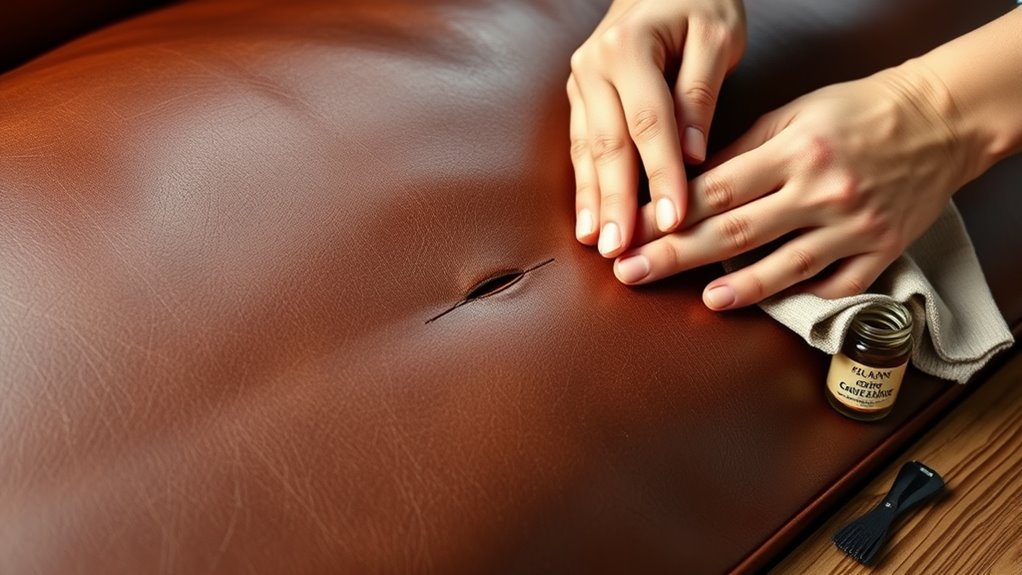
For deeper gouges, use a leather repair kit to fill, dye, and seal the damage carefully. These kits provide a more durable and professional-looking repair.
Regularly trimming your cat’s claws and providing scratching posts will protect your leather furniture over time. This preventive care reduces future damage and keeps both your cat and furniture happy.
Keep exploring to discover the best repair and prevention techniques that truly work. With proper care, your leather can stay beautiful despite your cat’s playful habits.
Understanding Cat Scratches and Leather Damage

Although cats scratch leather to stretch their muscles, mark territory, and keep their claws sharp, this behavior can easily damage your furniture. Cat scratches on leather range from light surface marks to deep gouges causing significant damage.
Cats scratch leather to stretch, mark territory, and sharpen claws, often leaving light marks or deep gouges.
Before repairing, use a Leather Cleaner to clean the leather and remove any dirt and residue that could interfere with the process. Different types of scratches require specific approaches, so identifying them is vital.
When you’re ready, a leather repair kit provides the tools needed for restoration. To fix your leather furniture properly, follow a STEP BY STEP method: clean the leather thoroughly, assess the scratch depth, apply repair compounds as needed, and finish by conditioning the surface.
This care helps maintain your furniture’s durability and appearance after scratches.
Identifying Leather Types and Their Vulnerability

When you choose leather furniture, understanding the type of leather is key to knowing how vulnerable it is to cat scratches. Full grain leather, while durable, can still show scratches due to its softness and natural grain.
Top grain leather offers better scratch resistance but isn’t completely immune. If your leather is split or corrected grain, expect it to be more prone to deeper scratches because of its thinner, lower-quality structure.
Over time, full and top grain leather develop a patina that helps mask minor scratches and wear. Regular maintenance, like conditioning and cleaning, can also improve your leather’s resistance to damage and extend its lifespan.
Knowing your leather type will help you manage and protect it better from your cat’s claws.
Preparing Your Leather for Repair

Start by cleaning your leather thoroughly with a dedicated leather cleaner to remove dirt and oils.
Next, inspect the scratches carefully to determine their size and depth. This will help you decide whether you need a small or large repair kit to fix the damage effectively.
Cleaning and Inspection
Before repairing cat scratches on your leather, you’ll want to clean the surface thoroughly with a dedicated Leather Cleaner to remove dirt, oils, and grime. This step guarantees proper adhesion when you apply repair products.
Next, carefully inspect the scratched areas to determine whether the damage is superficial or deep. Note the size and location of each scratch to target your repair effectively.
Trim any loose or frayed fibers with sharp scissors, focusing only on longer fibers to avoid worsening the damage. After trimming, use an alcohol-based cleaner or prep solution to wipe away dust and residue, creating a clean surface.
Taking these steps will help you fix cat scratches efficiently and prepare your leather for a smooth, lasting repair.
Damage Assessment Methods
Although it might seem straightforward, accurately evaluating the damage on your leather is vital for a successful repair. Start by examining the scratch to see if it’s superficial or deep. Measure the size, as large scratches need different techniques.
Clean the area thoroughly to remove dirt and oils, ensuring repair products stick well. Trim any loose fibers carefully to avoid further tearing. Don’t forget to check hidden spots like sides or backs for additional damage.
| Step | Action |
|---|---|
| 1. Scratch Type | Superficial or deep gouge |
| 2. Size | Small or larger than tennis ball |
| 3. Clean | Remove dirt and oils |
| 4. Trim Fibers | Cut loose/frayed fibers |
| 5. Location Check | Inspect all visible and hidden spots |
Home Remedies for Minor Cat Scratches
Start by cleaning the scratched leather with a mild cleaner or soapy water to remove dirt and oils. Then, try natural remedies like applying a mix of olive oil and vinegar or using a leather conditioner to soften and conceal light scratches. Finish by buffing the area with a soft cloth to restore shine and blend the repair seamlessly.
Cleaning and Preparation
When you notice cat scratches on your leather, cleaning the area thoroughly is essential to prepare it for repair. Start by using a soft cloth with a leather cleaner or a mild soap solution to remove dirt and oils. Make sure to wipe gently and avoid soaking the leather.
After cleaning, let the surface dry completely; this ensures any repair or conditioning product adheres properly. For minor scratches, you can apply a small amount of leather conditioner or olive oil, rubbing it in gently.
Use a damp cloth to remove any excess, preventing dirt buildup. Always test any homemade remedy or product on a hidden spot first to check for discoloration or damage before treating the visible area.
This careful preparation protects your leather and improves repair results.
Natural Concealing Methods
After cleaning and preparing the leather, you can use natural remedies to help conceal minor cat scratches. Applying a small amount of olive or coconut oil moisturizes the leather, making scratches less noticeable.
For better results, mix equal parts vinegar and olive oil, then gently rub the solution into superficial scratches. Use a soft cloth to buff the area afterward, blending the scratch with the surrounding leather.
These natural methods work best on light, surface-level marks and won’t repair deep gouges or tears. While they provide temporary concealment, regular application of natural oils also helps maintain leather’s appearance and gradually reduces the prominence of minor scratches over time.
Keep in mind, consistent care is key for long-lasting results with these home remedies.
DIY Conditioning Tips
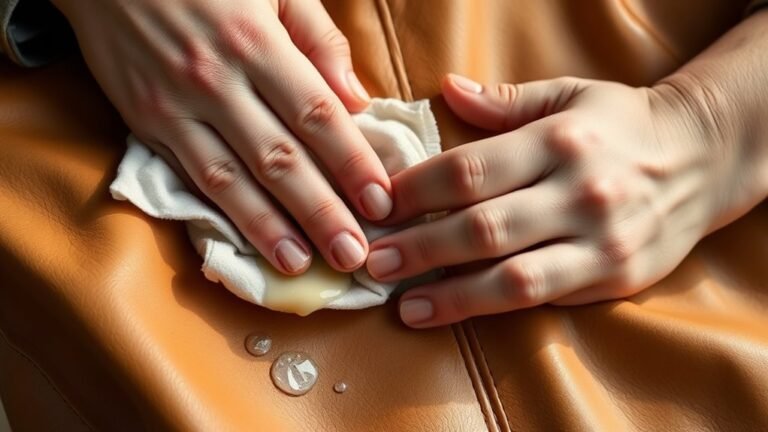
Though natural oils can help conceal scratches, applying a leather conditioner will keep your leather supple and reduce the appearance of minor damage. Use a soft cloth to rub a small amount of conditioner, like mink oil or a commercial product, into the scratched area in gentle circular motions.
Let it sit for 20-30 minutes so it can penetrate the leather, then buff with a clean cloth to restore smoothness. For a simple home remedy, mix equal parts olive oil and vinegar and apply lightly to condition and temporarily hide minor marks.
To prevent scratches from worsening, condition your leather every 3-6 months. This regular care keeps your leather flexible and less prone to visible damage.
Using DIY Leather Repair Kits Effectively
Since matching your leather’s color and damage size is essential, you’ll want to select a repair kit that fits the job. Choose larger kits for extensive scratches and smaller ones for minor damage. Begin by cleaning the area thoroughly to guarantee the repair materials adhere well.
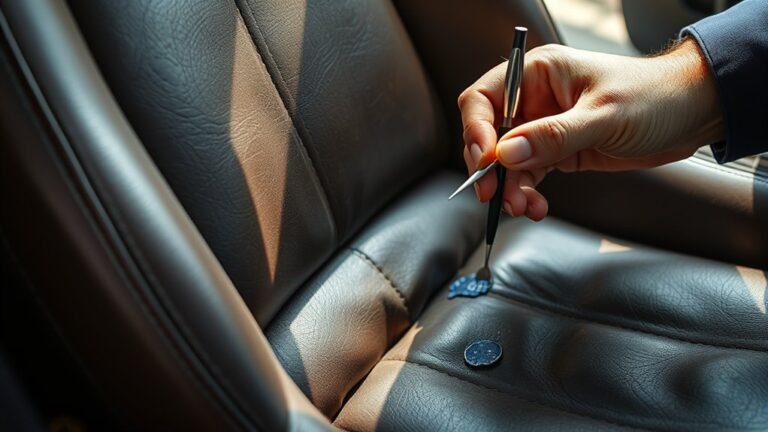
For deep scratches, fill them with the Heavy Filler and let it dry before sanding smoothly. Apply the leather dye gradually in thin layers, blending the color seamlessly. Finally, seal your work to protect and restore durability.
Keep these tips in mind:
- Use a palette knife to fill gouges precisely.
- Build color slowly with a sponge or airbrush.
- Finish with Super Seal lacquer and multiple Leather Finish layers.
These steps help you repair scratches effectively and extend your leather’s life.
When to Seek Professional Leather Repair Services
If your leather scratches run deep or cover large areas, you’ll want to contemplate professional repair services. When scratches involve gouges or tearing that DIY kits can’t fix, a pro ensures proper restoration and maintains your leather’s structural integrity.
If discoloration is severe or colors don’t match after home treatments, experts offer precise color matching for a seamless finish. Multiple scratches spread over large surfaces also call for professional help, as they provide a more durable and visually appealing result.
Plus, if your DIY attempts fail to conceal or repair the damage adequately, it’s time to seek expert intervention. Choosing professional services guarantees that your leather looks its best and lasts longer after repair.

Preventive Strategies to Protect Leather From Cat Scratches
To protect your leather furniture from cat scratches, you need to take proactive steps that address your cat’s natural behavior. Cats instinctively scratch to mark territory and sharpen claws, so redirecting this behavior is key.
Start by regularly trimming your cat’s claws to lessen potential damage. Next, provide alternative scratching posts made from sisal, carpet, or cardboard to draw their attention away from leather. Finally, use deterrents like double-sided tape on leather surfaces, as cats dislike the sticky feeling and will avoid those areas.
Regularly trim claws, offer alternative scratching posts, and use deterrents like double-sided tape to protect leather furniture.
Trim your cat’s claws regularly to reduce scratch severity.
Offer appealing scratching posts to divert their scratching instincts.
Apply deterrents such as double-sided tape to discourage scratching on leather.
These strategies help safeguard your furniture while keeping your cat happy.
Frequently Asked Questions
Can I Repair Cat Scratches on Leather?
Yes, you can repair minor cat scratches on leather using repair kits or recoloring balms. For deep gouges, consider professional help.
Regular conditioning also helps prevent future damage and keeps your leather looking great.
Can You Get Cat Scratch Marks Out of Leather?
You can’t fully remove cat scratch marks, but you can reduce their visibility. Use leather conditioners or repair kits for light scratches.
Consider professional help for deeper damage to restore your leather’s appearance effectively.
Can You Remove Scratches Out of Leather?
You can’t completely remove all leather scratches, but you can drastically reduce their appearance. Use a leather cleaner and conditioner for light scratches, or a repair kit with filler and colorant for deeper ones to restore your leather’s look.
How Do You Get Scuff Marks off Leather?
You can get scuff marks off leather by gently cleaning with a damp cloth and mild soap, then applying leather conditioner. For stubborn marks, lightly buff with a microfiber cloth or use a specialized leather cleaner.
Conclusion
You might think cat scratches permanently ruin leather, but with the right approach, you can often restore its look. By understanding your leather type and acting quickly—whether using home remedies or repair kits—you’ll keep your furniture looking great.
Remember, not all scratches are equal; some heal better than others. If damage runs deep, don’t hesitate to call a pro. Taking preventive steps also makes a big difference in protecting your leather long-term.
In conclusion, knowing how to fix cat scratches on leather effectively helps maintain your furniture’s appearance. Combining quick action, appropriate repair methods, and prevention ensures your leather stays in top condition for years to come.