Can You Wear a Leather Jacket in the Rain? Tips to Protect Your Leather
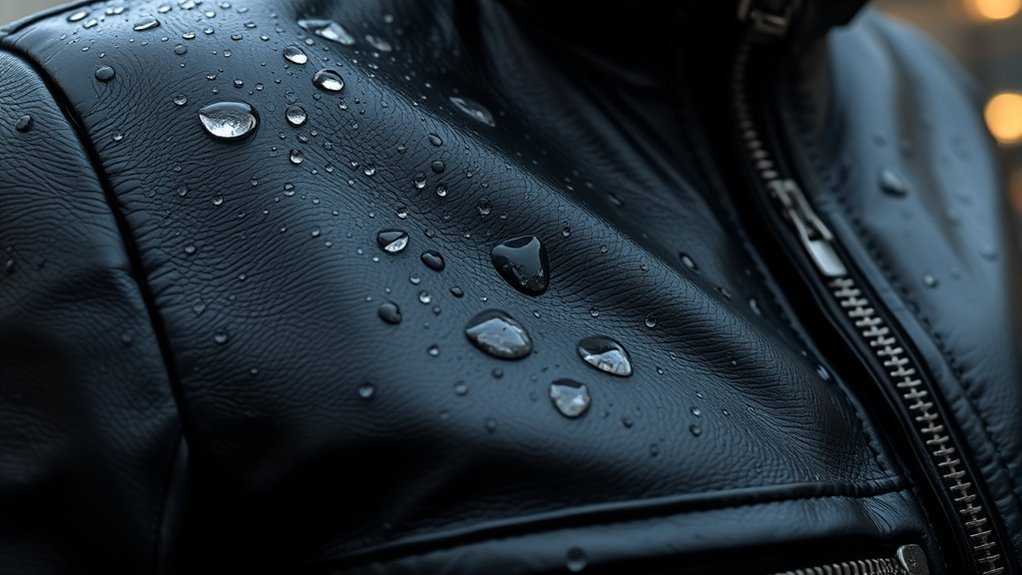
You can wear a leather jacket in the rain, but you shouldn’t expect it to be fully waterproof. Leather naturally resists some moisture thanks to its oils and dense fibers, especially if it’s waxed or oiled.
Still, rain can cause stains, stiffness, or damage if you don’t take precautions like applying waterproof treatments and drying it properly afterward.
If you want to protect your jacket and keep it looking great, there’s plenty more to contemplate. Proper care and maintenance are essential to extend the life of your leather jacket when exposed to wet conditions.
Regularly conditioning the leather and using a protective spray can help repel water and prevent damage.
Understanding Leather’s Natural Water Resistance

Although leather naturally resists some moisture thanks to its oils and dense fibers, you should know it’s not fully waterproof. Leather’s water resistance comes from its natural oils and the tight fiber structure, especially in full-grain leather, which offers better protection.
However, leather is porous, meaning water can seep in over time, particularly if exposed to heavy rain. Vegetable-tanned leather tends to be less water-resistant than other types, so it requires extra care.
You can improve leather’s water resistance by applying protective treatments like wax or conditioners, but these won’t make it completely waterproof. Understanding these factors helps you protect your leather jacket and maintain its appearance despite occasional exposure to moisture.
How Different Types of Leather React to Rain

When you wear different types of leather in the rain, their reactions can vary considerably. Understanding how each leather type handles moisture helps you avoid water damage and maintain your jacket’s look. Here’s what you should know about rain protection for various leather types:
Full grain leather isn’t very water resistant; it absorbs water easily, risking stains and damage.
Top grain leather offers better water resistance due to manufacturing treatments but still needs care in heavy rain.
Synthetic leather usually resists water well but can degrade with prolonged exposure.
Suede and nubuck are highly sensitive, requiring water-repellent sprays for protection.
Waxed or oiled leather types provide superior rain protection, making them ideal for wet conditions.
Knowing your leather type helps you tailor your leather care and stay stylish in the rain.
Preparing Your Leather Jacket for Wet Weather

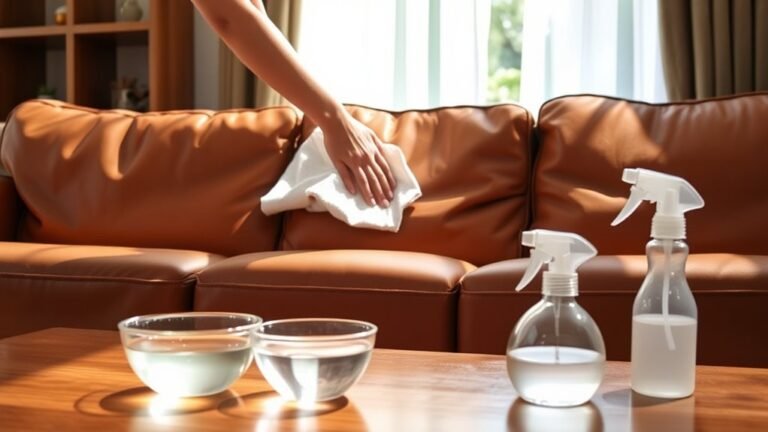
Before you face wet weather, it’s vital to waterproof your leather jacket with a spray designed for leather. Don’t forget to condition it regularly to keep the material supple and water-resistant.
Proper maintenance will help your jacket stay protected and looking great despite the rain.
Waterproofing Techniques
To keep your leather jacket looking great in wet weather, you’ll want to start by cleaning it thoroughly to remove any dirt or debris. Then, focus on applying effective waterproofing treatments to create a strong protective barrier.
Here’s how you can boost your jacket’s water resistance:
Use a high-quality waterproof leather spray evenly to repel water. Try waxing leather jackets with beeswax or silicone-based products for added water resistance and shine. Condition leather to replenish moisture and strengthen its surface.
Always allow your jacket to dry completely before wearing it in the rain. Reapply waterproofing regularly, especially after cleaning or heavy exposure to wet conditions.
Following these steps ensures your leather jacket stays protected and stylish, even when the weather turns damp.
Conditioning and Maintenance
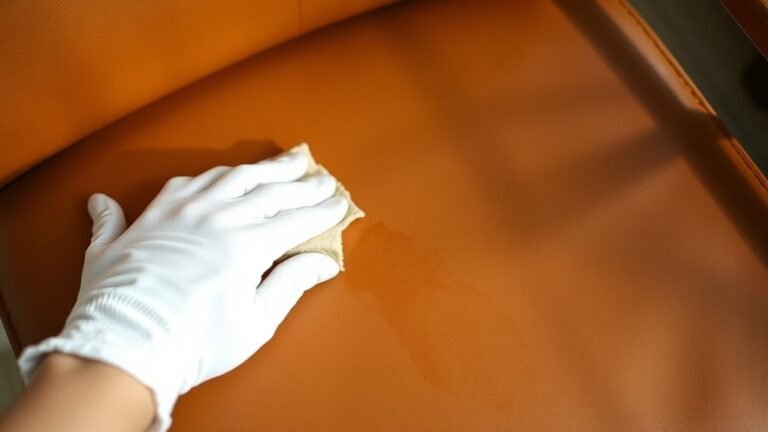
Although leather is naturally durable, you should regularly condition your jacket to maintain its moisture and enhance water resistance. Using a quality leather conditioner, like beeswax or olive oil blends, helps prevent drying and cracking.
Always apply conditioning treatments after your jacket has fully dried from rain to avoid trapping moisture inside. Incorporating waterproofing sprays adds a protective barrier that reduces water absorption during wet weather.
Consistent maintenance with these products not only boosts water resistance but also supports leather preservation, keeping your jacket supple and looking great. Prioritizing moisture prevention through proper conditioning and waterproofing ensures your jacket withstands rainy days without damage, extending its lifespan and maintaining its appearance.
Taking these steps prepares your leather jacket for wet weather effectively and confidently.
Effective Waterproofing Treatments for Leather
You are trained on data up to October 2023. When it comes to effective waterproofing treatments for leather, you want to focus on products and methods that boost water resistance without compromising leather maintenance. Here’s what you should consider:
Use a high-quality waterproofing spray designed specifically for leather to prevent water seepage. Apply beeswax-based treatments to nourish the leather while enhancing water resistance.
Use specialized waterproof sprays and beeswax treatments to protect and nourish leather against water damage.
Consider silicone-based protection for an impermeable waterproof treatment against rain and moisture. Always clean and dry your leather thoroughly before applying any waterproofing spray or treatment.
Reapply these treatments regularly, especially after cleaning, to maintain long-lasting leather waterproofing. Following these steps helps you protect your leather jacket effectively and enjoy it even in wet weather.
Caring for a Leather Jacket After Rain Exposure
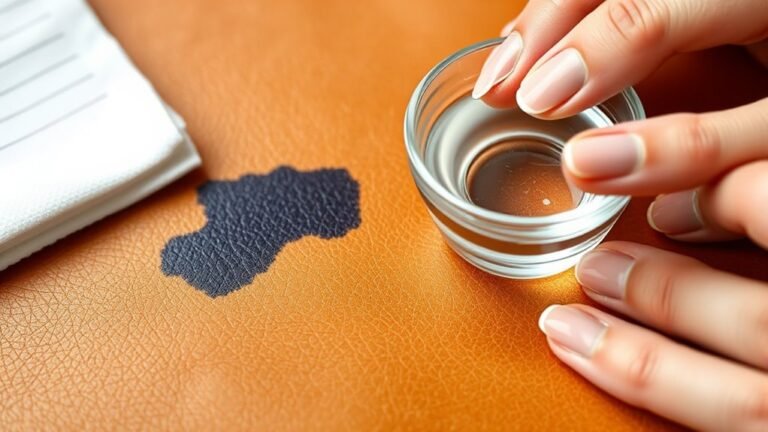
After treating your leather jacket with waterproofing products, handling it properly post-rain is just as important. When your jacket gets wet, gently blot excess water with a soft, dry cloth. Avoid rubbing, which can damage the leather.
Next, let it air dry naturally in a well-ventilated area, away from direct sunlight or heat sources that can cause cracking. Once fully dry, apply a quality leather conditioner to restore moisture and maintain flexibility, ensuring your jacket stays protected against future wear.
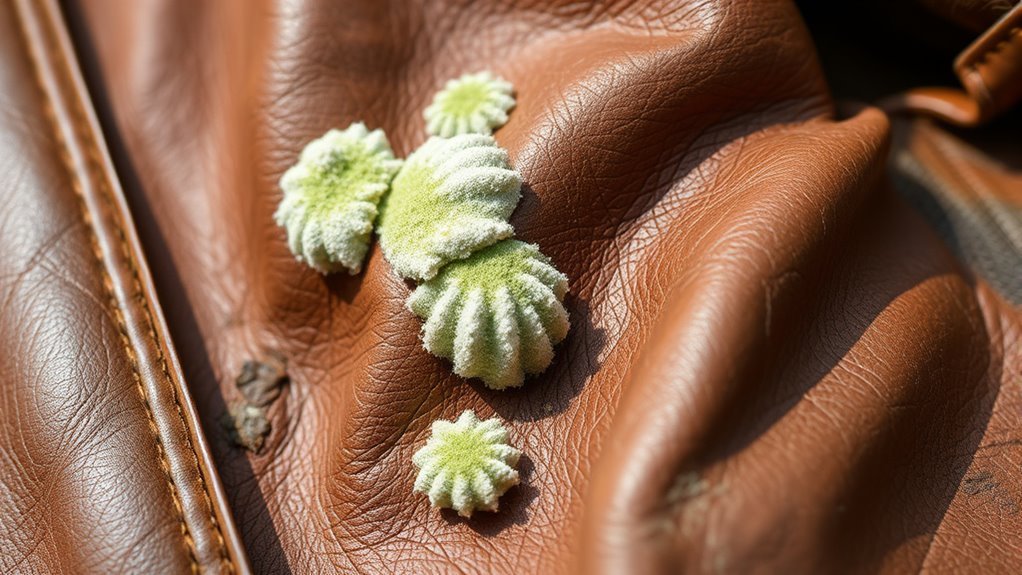
Proper conditioning after exposure to moisture not only preserves appearance but also extends your leather jacket’s lifespan. Finally, store it on a padded hanger in a cool, dry place to prevent creases or mold.
Comparing Faux Leather and Natural Leather in Rain
When you compare faux leather and natural leather in the rain, you’ll notice faux leather resists water better and dries faster. Natural leather soaks up moisture, making it more prone to damage if you don’t care for it properly.
Knowing these differences helps you choose the right jacket and maintain it after rain exposure.
Water Resistance Differences
Although both faux leather and natural leather jackets can face rain exposure, they differ considerably in how they handle water. Faux leather, made from synthetic materials like polyurethane or PVC, generally offers better water resistance.
Natural leather, a porous leather fabric, absorbs water unless treated with waterproof sprays or waxes. Here’s what you should know:
- Faux leather doesn’t absorb water, making it easier to wipe dry and less prone to water damage.
- Natural leather requires regular treatments to prevent damage from moisture.
- Prolonged rain exposure can cause faux leather to peel or deteriorate over time.
- Untreated natural leather remains permeable and vulnerable to water damage.
- Faux leather’s consistent synthetic surface offers a more reliable barrier against rain than variable natural leather.
Knowing these differences helps you choose and protect your jacket better in wet conditions.
Care and Maintenance
Understanding how faux leather and natural leather respond to rain sets the stage for proper care and maintenance. Faux leather is more water-resistant thanks to its synthetic makeup, so it resists water damage better and doesn’t need conditioning. You can simply wipe it with a damp cloth to remove water spots.
However, to protect faux leather from peeling in heavy rain, apply a water-repellent spray periodically. Natural leather requires more attention; it needs regular conditioning and waterproof treatments after exposure to rain to prevent cracking and staining. Proper care for natural leather involves using specialized waterproof products to maintain its durability.
Alternative Rain-Resistant Materials to Leather
If you want reliable rain protection without risking damage to leather, consider jackets made from polyester or nylon. These synthetic materials are inherently water-resistant fabrics that dry quickly and resist stains, making them perfect for wet conditions.
You can also enhance rain protection with waterproof coatings applied to nylon jackets or polyester jackets. Plus, advanced membranes like Gore-Tex offer breathable waterproof layers, keeping you dry and comfortable.
Here are some benefits of these alternatives:
- Synthetic materials resist water absorption and deterioration
- Waterproof coatings boost rain protection effectiveness
- Nylon and polyester dry faster than leather
- Breathable waterproof membranes improve comfort
- Generally lower maintenance and more affordable than leather
Choosing these fabrics ensures durability and style without sacrificing protection in the rain.

Best Practices to Maintain Leather Jackets in Moist Conditions
When you expose your leather jacket to moisture, taking prompt and proper care preserves its look and durability. Before wearing it in moist conditions, apply a water-repellent spray to create a protective barrier against water damage.
If your jacket gets wet, gently blot off excess water with a soft cloth and hang it in a well-ventilated area to air dry. Never use direct heat like radiators or sunlight, which cause cracking.
After drying, regularly condition your leather with a suitable product to restore moisture and maintain flexibility. Also, store your jacket in a cool, dry place on a padded hanger to avoid deformation and mold, especially after exposure to humidity or rain.
These best practices keep your leather jacket in top shape despite moist conditions.
Frequently Asked Questions
Is Rain Ok on a Leather Jacket?
Rain isn’t ideal for your leather jacket because it can cause damage. If you do wear it, treat it with water-repellent spray and dry it promptly to protect the leather and keep it looking great.
How to Waterproof a Leather Jacket?
You waterproof a leather jacket by cleaning and drying it first, then applying a water-repellent spray evenly. Next, use beeswax or leather wax to seal it, buffing to shine.
Reapply regularly for lasting protection.
Is Leather Damaged by Rain?
Yes, rain can damage your leather jacket by causing stiffness, discoloration, and cracks. You should avoid prolonged exposure and always dry and condition it properly to maintain its durability and prevent mold or mildew growth.
Conclusion
You can wear a leather jacket in the rain, but remember, “a stitch in time saves nine.” Taking a few simple steps to prepare and protect your jacket will keep it looking great for years.
Treat it with waterproofing products, dry it properly, and care for it after wet weather. With the right attention, your leather jacket won’t just survive the rain—it’ll thrive, becoming even more uniquely yours over time.
In conclusion, wearing a leather jacket in the rain is possible if you use proper waterproofing and maintenance techniques. By protecting your jacket from moisture and drying it correctly, you ensure your leather jacket remains durable and stylish no matter the weather.