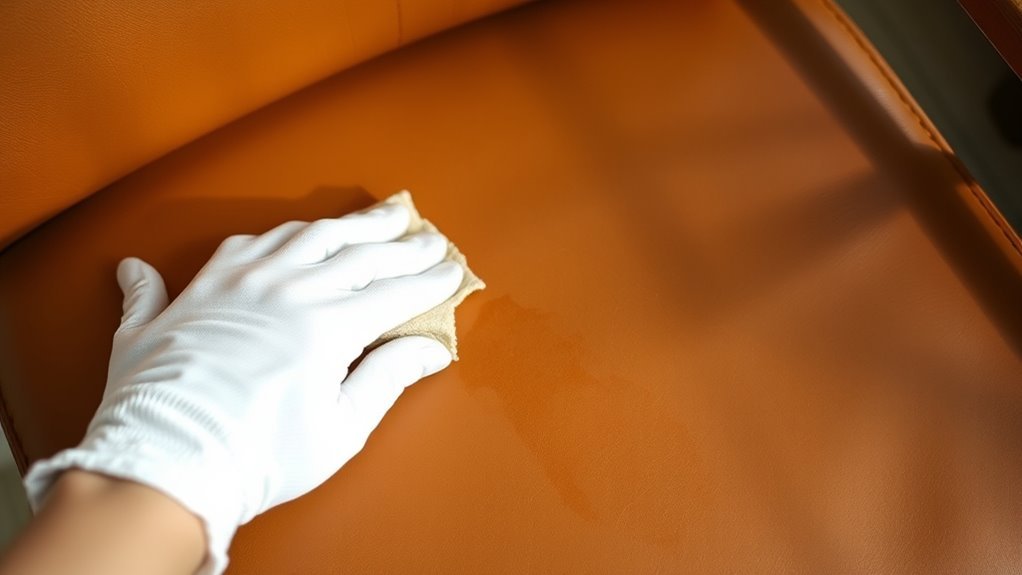
How to Remove Stains from Leather Chairs: Quick and Effective Cleaning Tips
To remove stains from your leather chairs effectively, it’s important to understand the type of stain you are dealing with, such as oil, water, or organic stains. Proper leather stain removal starts with identifying the stain type to choose the right cleaning method.
Begin by gently blotting any excess material to prevent the stain from spreading. Use a mild leather cleaner or a mixture of distilled water and gentle soap, but always test the solution on a hidden spot first to ensure it does not damage the leather.
For oil stains, a helpful tip is to apply cornstarch overnight to absorb the grease. After letting it sit, brush off the cornstarch carefully. Avoid harsh chemicals at all costs, as they can damage the leather’s surface.
Finally, follow up with a leather conditioner to keep your chairs soft and supple. Keep reading to explore more tips and detailed methods for tackling tough stains on leather chairs.
Identifying Different Types of Leather Stains

When you notice a stain on your leather chair, identifying its type is crucial to choosing the right cleaning method. Organic stains from food or drinks usually show up as dark, irregular spots.
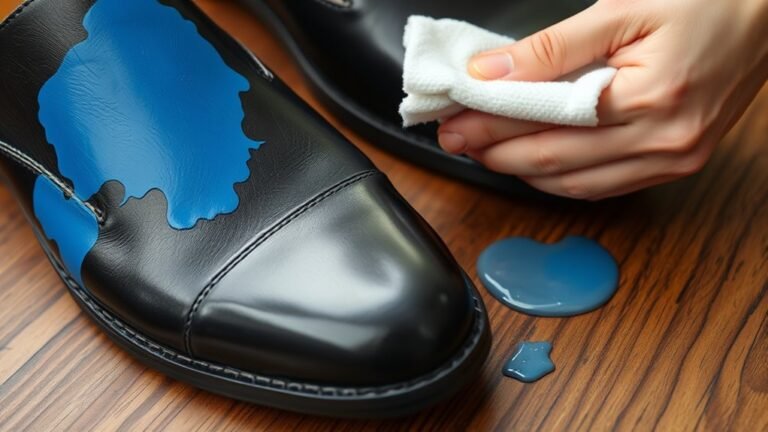
Water-based stains, like spills from beverages or rain, often cause lightening or water marks on the leather’s surface. Oil stains, including grease, leave greasy patches that can soak in or spread if left untreated.
Recognizing these differences helps you act promptly. Water stains might require gentle drying, while oil stains need careful absorption. Misidentifying a stain could lead to worsening the damage, so take a moment to observe whether your leather shows signs of water, oil, or organic matter before deciding how to clean it.
Essential Tools and Cleaning Products for Leather

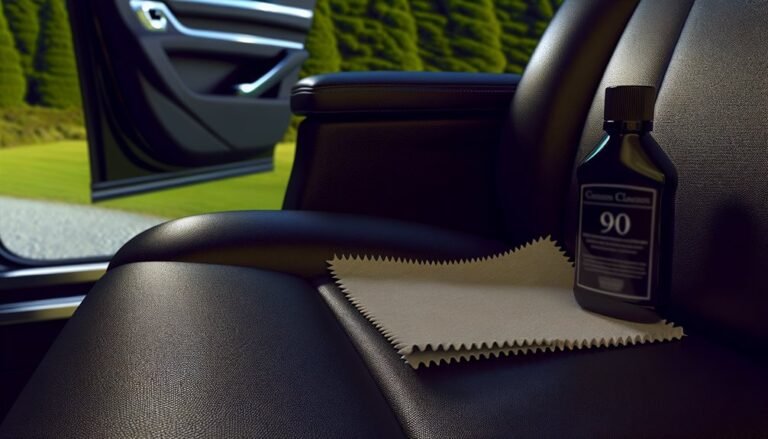
You’ll want to gather the right tools before tackling stains on your leather chair. Microfiber cloths, distilled water, and gentle cleaners like castile soap make cleaning safe and effective.
After cleaning, conditioning with natural oils helps keep your leather soft and shiny.
Cleaning Tools Overview
Although leather requires careful handling, having the right cleaning tools makes maintaining your chair much easier. Start with a soft microfiber cloth to gently dust and clean without scratching the leather. Always use clean water, preferably distilled, to avoid mineral deposits that can leave streaks.
For stubborn stains, talcum powder can absorb oils before wiping them away with your cloth. Keep a spray bottle handy for mixing gentle solutions like white vinegar and water, but test on a hidden spot first.
Natural liquid soaps, such as castile soap, offer a mild clean that won’t strip leather’s natural oils. After cleaning, use leather conditioners like mink oil or specialized creams to restore moisture and flexibility.
Using these tools correctly helps keep your leather chair looking its best longer.
Recommended Leather Products
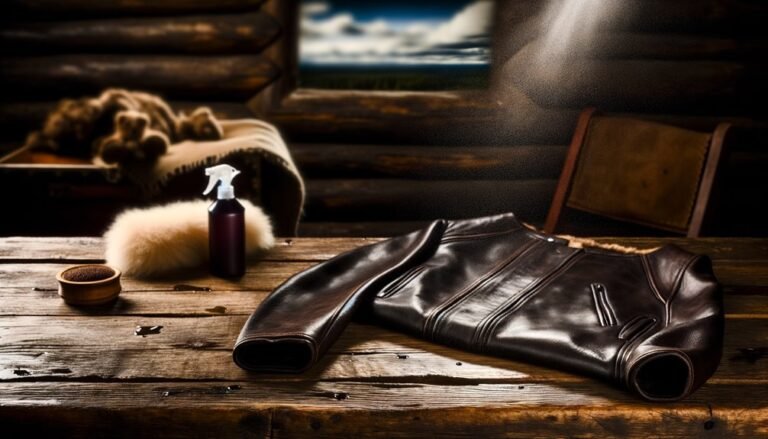
A well-chosen set of leather cleaning products makes all the difference in maintaining your chair’s appearance and durability. Start with a pH-balanced leather cleaner, like saddle soap, to gently lift dirt without harming the surface.
For tough stain removal, try specialized leather degreasers or a mild solution of distilled water and white vinegar. After cleaning, apply a leather conditioner, mink oil or lanolin-based creams work best, to restore moisture and keep the leather supple.
Use microfiber cloths for wiping and buffing, as they clean effectively without scratching. Always avoid harsh chemicals, alcohol-based products, or abrasive tools, since they can damage or discolor your leather chair. With the right products, you’ll keep your chair looking great and extend its life.
Step-by-Step Process for Removing Grease and Oil Stains

How should you tackle grease and oil stains on your leather chair to prevent further damage? First, blot any excess grease gently with a clean, dry microfiber cloth to stop the stain from spreading.
Next, sprinkle a generous layer of powder, such as cornstarch or talcum, over the affected area and let it sit overnight. This powder will absorb the grease effectively.
The following day, use a soft brush or microfiber cloth to carefully brush away the dried powder. Avoid rubbing harshly; apply light pressure to protect the leather surface.
If the stain remains, repeat the powder application and brushing process. Once the grease stain is minimized, apply a leather conditioner to restore the chair’s shine and maintain its flexibility, ensuring your leather stays in great shape.
Techniques for Tackling Organic and Food-Based Stains
When dealing with fruit stains, act quickly by blotting the area and avoiding rubbing to prevent spreading. For food residues like avocado or banana, carefully scrape off any excess before cleaning.
You’ll want to use gentle cleaners and always test on a hidden spot to keep your leather safe.
Removing Fruit Stains
Since fruit stains can quickly seep into leather, you should blot them immediately with a clean, dry cloth to stop absorption. Blotting helps prevent the juice from settling deep into the leather, making it easier to maintain clean leather.
For non-dyeing fruit stains, gently sponge the area using a mild soap and water mixture, then wipe it dry. If the stain is stubborn or has caused dyeing, apply soapy froth carefully and continue blotting to lift the mark.
Before cleaning, remove any sticky or gelatinous fruit residues with a blunt knife to avoid spreading the stain. Always test your cleaning solution on a hidden spot first to ensure it won’t discolor or damage your leather chair. This method keeps your leather looking fresh and stain-free.
Cleaning Food Residues
Why let food residues settle when you can remove them right away? Start by gently lifting excess food with a blunt knife or soft cloth to stop stains from setting into your leather chair.
For organic stains like avocado or baby food, mix mild soap with water and sponge the spot carefully to clean it without damaging the leather.
When dealing with baked beans or similar spills, remove solids first, then sponge with soapy water to dilute the stain.
If fruit juice or soft drinks spill, blot immediately with a clean cloth, then sponge with a water and mild detergent mix to prevent dye transfer.
For sticky foods like gelatin, scrape off residues gently, clean with washing-up liquid, and always condition your leather afterward to keep it supple and stain-free.

Handling Water and Beverage Stains on Leather
Although water and beverage stains can quickly damage leather, you can minimize harm by blotting spills immediately with a clean, dry cloth. Next, gently wipe the stain using a damp cloth soaked in distilled water, avoiding rubbing to prevent damage.
For stubborn stains, mix equal parts distilled water and white vinegar, lightly dab the area, then wipe dry. Always test solutions on a hidden spot before treating the stain to clean a leather couch safely.
| Step | Material Needed | Tip |
|---|---|---|
| Blot Spills | Clean, dry cloth | Act immediately |
| Wipe Gently | Damp microfiber cloth | Use distilled water |
| Treat Stubborn Stains | White vinegar mixture | Dab lightly, don’t rub |
| Test First | Hidden spot | Prevent discoloration or cracking |
Caring for Leather After Stain Removal
Once you’ve removed a stain, you should clean the area with a damp cloth to remove any leftover cleaning agents. This step guarantees the affected area is free from residues that could damage the leather over time.
Next, apply a high-quality leather conditioner to restore moisture and keep the leather soft and supple. Conditioning prevents the leather from drying out or cracking after cleaning.
Be sure to avoid direct sunlight or heat sources during this process, as they can cause fading or damage. Let the conditioner fully absorb for at least 24 hours before using your chair.
To maintain clean leather and prolong its lifespan, regularly condition your furniture every 6 to 12 months. This simple care routine keeps your leather chair looking its best.
When to Seek Professional Leather Restoration Services
If your leather chair has stains that won’t come out or damage that alters its color or texture, you should consider professional restoration services. When stains are extensive, persistent, or have caused chemical damage, DIY cleaning may worsen the problem or cause discoloration.
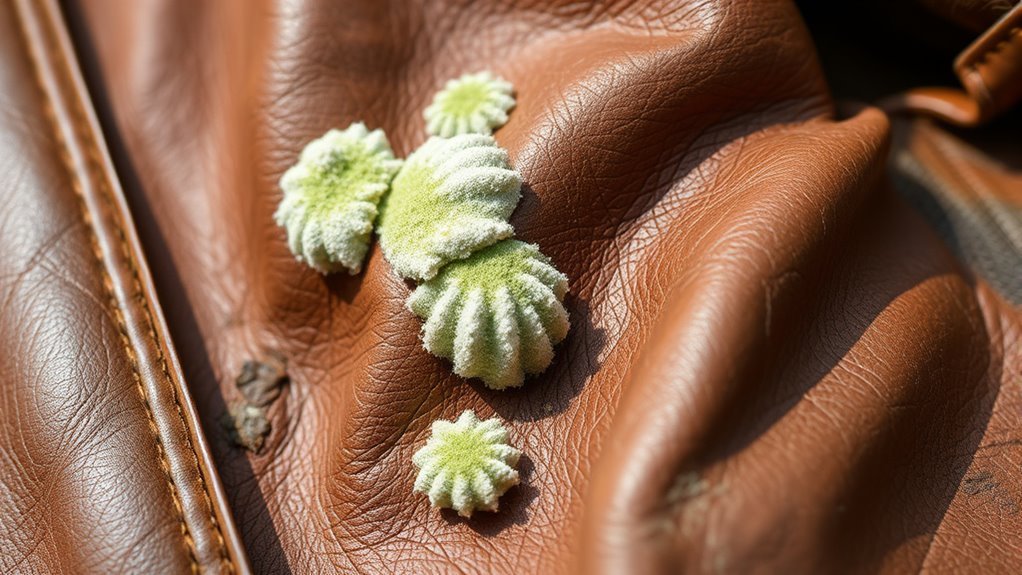
In such cases, turning to professional leather restoration is your best bet. Professionals can handle stubborn stains, especially those involving mold, mildew, or organic matter deeply embedded in the leather. They also address chemical damage from harsh cleaners that you can’t reverse yourself. Additionally, if the leather’s structural integrity or stitching is compromised alongside staining, expert repair preserves both appearance and durability. Don’t hesitate to seek professional help to restore your leather chair safely and effectively.
Frequently Asked Questions
How Do You Get Stains Out of Leather Chairs?
You blot the stain immediately, then gently clean with mild soap and distilled water. For tough stains, use a leather cleaner.
Always avoid harsh chemicals and finish by conditioning the leather to keep it soft and protected.
Does Vinegar Remove Stains From Leather?
You might worry vinegar’ll damage leather, but diluted vinegar can remove light stains like water or mineral deposits. Just test first, wipe gently, and always condition afterward to keep your leather soft and undamaged.
Does Leather Permanently Stain?
Yes, leather can permanently stain, especially if the stain is chemical-based or left untreated. You should act quickly to clean spills and use proper care to minimize lasting damage and preserve your leather’s appearance.
What Is the Best Stain Remover for Leather?
You’ll find the best stain remover for leather is a specialized cleaner like LTT Aniline Cleaner, as it’s designed to lift stains gently without damaging your leather.
Always test first and avoid harsh chemicals.
Conclusion
Now that you know how to tackle those pesky leather stains, you’re ready to keep your chairs looking sharp, just like a dashing dandy in a top hat at a modern café.
Remember to act quickly, use the right tools, and care for your leather afterward to maintain its beauty.
If a stain proves stubborn, don’t hesitate to call in the pros—they’ve got the skills to restore your leather’s charm effortlessly.
By following these leather cleaning tips and stain removal methods, you can ensure your leather chairs stay pristine and elegant for years to come. Regular maintenance and prompt stain removal are key to preserving the quality of your leather furniture.