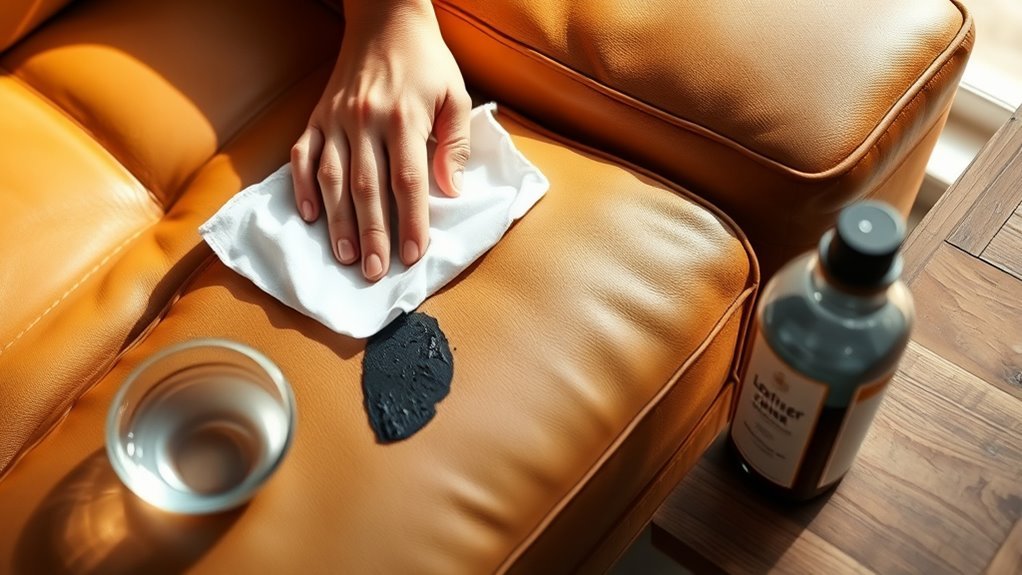
How to Get Ink Out of Leather: Effective Cleaning Tips That Work
To get ink out of leather effectively, it’s important to start by testing a small hidden area to avoid any damage. Removing ink from leather requires gentle care and the right techniques to prevent staining or discoloration.
Gently dab fresh ink with a damp cloth, or use rubbing alcohol on a cotton swab for older, stubborn stains.
For coated leather, a mild dish soap or a baking soda paste can safely lift ink without harming the surface.
Always follow up with a leather conditioner to restore moisture and keep the leather supple.
If the stain is particularly stubborn or your leather is delicate, consider seeking expert help.
Keep exploring to discover more tailored cleaning tips and protective measures.
Understanding Different Types of Leather and Ink

When dealing with ink stains on leather, you first need to recognize the type of leather you’re working with because it affects how you should clean it. Modern leather, like coated car seats, usually has a protective clear layer, making it easier to remove ink marks with mild cleaners.
On the other hand, uncoated or aniline leather is more delicate, so you should test any cleaning method on a small area first to avoid damage. Also, consider the type of ink causing the stain. Oil-based ballpoint pen ink is generally simpler to lift than gel ink or permanent marker stains, which can be stubborn.
Avoid harsh solvents like acetone, as they can harm the leather’s surface, causing haze or discoloration, especially on more sensitive types.
Identifying the Ink Stain Area and Severity

How big is the ink stain, and how deeply has it set into your leather? Start by evaluating whether the ink covers a small spot or a larger area, as this guides the cleaning approach you’ll need.
Next, identify if your leather is coated or uncoated, since ink interacts differently with each surface type. Check if the ink is fresh or dried. Fresh ink often responds better to gentle blotting or water.
Pay attention to the color intensity and how deeply the ink has penetrated the leather; severe stains might require multiple applications of a specialized leather cleaner.
Also, examine the surrounding area for any color transfer or damage, ensuring your cleaning attempts won’t worsen the leather’s condition. This careful observation helps you tackle the stain effectively.
Preparing for Ink Removal: Spot Testing

Before you apply any cleaner to the ink stain, you’ll want to perform a spot test on a hidden part of the leather. This step is vital because ink sits differently on various leather finishes, and some cleaners can cause discoloration or damage.
Find a small, inconspicuous area like under a seam or inside a fold. Apply a tiny amount of your chosen cleaning solution with a cotton swab or soft cloth. Wait at least five minutes to observe any changes. Look for haze, fading, or color loss.
Make sure the test spot is completely dry before moving on. Spot testing ensures your leather stays safe and beautiful while you remove that stubborn ink stain. Don’t skip this step!
Using Household Items to Clean Ink From Leather
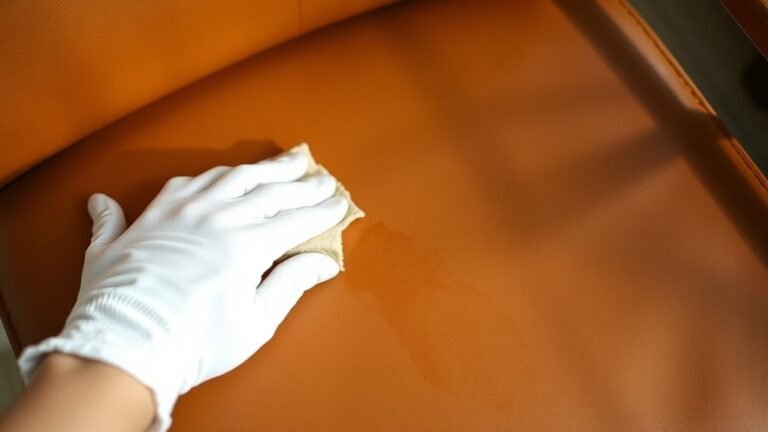
You can use common household items like rubbing alcohol and mild detergent to tackle ink stains on leather. Be sure to apply them gently, blotting instead of rubbing to protect the surface.
If a stain is stubborn, a soft toothbrush can help lift it without causing damage.
Effective Household Cleaners
When ink stains leather, you can often remove them using common household items without resorting to harsh chemicals. Start by applying rubbing alcohol with a cloth and rub gently to lift fresh ink.
For stubborn stains, use a soft toothbrush to scrub lightly. Dish soap mixed with water works well for small or light stains, while a baking soda paste can absorb ink effectively.
Always test these cleaners on a hidden spot first to avoid damage.
| Cleaner | How to Use |
|---|---|
| Rubbing Alcohol | Apply with cloth and rub gently |
| Dish Soap & Water | Blot lightly on small or light stains |
| Baking Soda Paste | Apply directly to absorb ink |
| Toothbrush | Use after rubbing alcohol for scrubbing |
Safe Application Techniques
Household cleaning solutions like rubbing alcohol and baking soda paste can effectively remove ink stains from leather, but applying them safely is key to protecting your leather’s finish. Before removing ink, always test the solution on a hidden spot to avoid discoloration.
Use a soft cloth or cotton ball to gently apply leather-safe cleaning agents directly onto the stain, steering clear of harsh rubbing. For tougher spots, lightly scrub with a soft toothbrush dipped in the solution to lift ink without damaging the surface.
Afterward, blot the area with a dry cloth to absorb excess ink and cleaner, preventing it from spreading. Finally, apply leather conditioner to restore moisture and maintain flexibility, ensuring your leather looks its best after cleaning.
Specialized Leather Cleaning Products for Ink Stains
How can you effectively remove stubborn ink stains from leather without causing damage? Using a specialized leather cleaner designed for ink spots is your best bet. Products like Angelus Spot Remover and Koh Leather Cleaner are formulated to break down ink pigments gently, preserving the leather’s finish.
Always test the product on a hidden area to ensure it won’t discolor or damage your item. These cleaners often contain enzymes or solvents that lift ink while maintaining leather integrity.
| Product Name | Key Benefit |
|---|---|
| Angelus Spot Remover | Targets ink without harming leather |
| Koh Leather Cleaner | Gentle yet effective on ink spots |
| Enzyme-based Removers | Break down ink pigments safely |
Choosing the right cleaner protects your leather and effectively removes ink stains.

Techniques for Removing Fresh Versus Set-In Ink
When you catch ink fresh on leather, act fast by blotting with a dry cloth to stop it from soaking in. For set-in stains, you’ll need patience and gentle treatments using leather-safe solvents to lift the deeper pigment.
Fresh Ink Removal
Although fresh ink stains on leather can seem intimidating, acting quickly makes removal much easier. First, blot the ink immediately with a clean, dry microfiber cloth to stop it from soaking in. Next, gently dab with a cotton swab dipped in rubbing alcohol to remove the ink before it bonds with the leather.
If the stain is very recent, a lightly dampened cloth with water can help, but avoid soaking the leather. Applying a leather-safe cleaner or mild soap solution promptly also breaks down ink without damaging the surface. Quick action and gentle blotting are essential to prevent the stain from setting deeper.
| Step | Method |
|---|---|
| Blot the ink | Use dry microfiber cloth |
| Lift fresh ink | Dab with rubbing alcohol |
| Clean the area | Mild soap or leather cleaner |
Set-In Ink Treatment
Fresh ink responds well to quick blotting and gentle cleaning, but set-in ink demands a different approach. Since set-in ink from leather has dried and sunk deeper, you’ll need patience and gentle, repeated treatments.
Start by applying a small amount of leather-specific cleaner or leather conditioner to help loosen the ink particles. Avoid harsh chemicals or aggressive scrubbing, as these can damage the leather’s surface and make stains worse.
Instead, gently work the cleaner in with a soft cloth, allowing it to penetrate. Repeat this process several times, letting the leather rest between treatments. Over time, this careful approach will fade the set-in ink without compromising the leather’s finish or texture.
Handling Ink Stains on Perforated and Ventilated Leather
Because perforated and ventilated leather is delicate, you’ll need to use minimal moisture and gentle techniques to remove ink stains without damaging the tiny holes or surrounding material. Start by dabbing gently with a dry microfiber cloth to lift ink without pushing it deeper.
If needed, lightly dampen a cotton swab with leather-safe cleaner and clean around perforations using linear motions. Avoid circular scrubbing or excess liquid to prevent damage. Let the leather air dry completely before any further treatment.
| Step | Tool Used | Tip |
|---|---|---|
| Dab ink | Microfiber cloth | Use dry cloth first |
| Spot clean | Cotton swab | Lightly dampen with cleaner |
| Motion technique | Hand | Use gentle linear strokes |
| Avoid | Excess liquid | Prevent ink spreading |
| Drying | Air | Let leather dry fully |
Applying Leather Conditioner After Ink Removal
After removing ink, you’ll want to apply leather conditioner to restore moisture and keep the surface flexible. Gently rubbing in a small amount helps protect the leather from drying out and cracking. This step also adds a barrier that guards against future stains and keeps your leather looking its best.
Restoring Leather Moisture
Once you’ve removed the ink stains, you’ll want to apply a high-quality leather conditioner to restore the leather’s moisture and suppleness. Start by using a damp, soft cloth to evenly spread the conditioner over the cleaned area, ensuring it seeps into the leather’s surface.
Let it absorb for several minutes; this prevents the leather from drying out or cracking. Afterward, gently buff the area with a clean, dry microfiber cloth to remove any excess conditioner and bring back the leather’s natural shine.
Regular conditioning after ink removal keeps your leather flexible, guards against future stains, and extends its lifespan. By maintaining proper leather conditioning, you help preserve both the look and durability of your leather items for years to come.
Enhancing Surface Protection
Maintaining your leather’s moisture is just the start; applying a quality leather conditioner after ink removal enhances surface protection and keeps the material resilient. Once you’ve cleaned the ink, choose a conditioner specifically made for leather to avoid discoloration or damage.
Use a soft, lint-free cloth to gently rub the conditioner into the treated area, ensuring even coverage. Let it sit for several minutes, allowing the conditioner to penetrate and strengthen the leather’s protective barrier. Regular conditioning not only restores flexibility but also prevents cracks, maintains shine, and prolongs your leather’s lifespan.
Preventing Future Ink Stains on Leather Surfaces
To keep your leather looking pristine, you should apply a leather protectant spray that repels ink and other liquids, creating a barrier against stains. This simple step plays a vital role in stain prevention by reducing the risk of ink soaking into the leather.
Apply a leather protectant spray to repel ink and liquids, preventing stains and preserving your leather’s pristine look.
Additionally, regularly clean high-touch leather areas with a leather-safe quick detailer to prevent ink and dye buildup. Keep pens and markers away from leather surfaces to minimize accidental marks.
Using coasters, covers, or protective pads on leather furniture offers extra protection against ink spills. If ink does land on your leather, promptly blot it with a dry cloth and apply a protective treatment to stop the stain from setting.
These practices help maintain your leather’s beauty and durability over time.

When to Seek Professional Leather Cleaning Assistance
Even with careful prevention and prompt attention, some ink stains on leather can be stubborn or extensive. You should consider professional leather cleaning when:
- The ink stain is large, old, or deeply set-in, making DIY removal risky or ineffective.
- You’ve tried multiple home remedies without success, wasting time and risking damage.
- You’re unsure about the type of leather, as improper cleaning can ruin delicate surfaces.
- The leather item is valuable or fragile, and you want to preserve its appearance and integrity.
Professional cleaners use specialized tools and tailored treatments to safely remove ink from leather without harm. When in doubt, seeking expert help can save your leather goods from permanent damage and restore them effectively.
Frequently Asked Questions
How Do You Get Pen Ink Out of Leather?
You blot the ink gently with a microfiber cloth, then dab rubbing alcohol on a cotton ball to lift the stain. Repeat carefully if needed, and don’t forget to condition the leather afterward to keep it soft and protected.
Is Ink Permanent on Leather?
Ink isn’t always permanent on leather, but it often is. If you act quickly and use gentle methods, you can remove fresh stains.
Older or permanent ink, though, tends to soak in and become much harder to erase.
Does Hairspray Remove Ink From Leather?
You might worry hairspray will ruin your leather, but it can remove ink effectively if you test first. Spray a little on the stain, blot gently, and repeat until the ink fades away.
Does Magic Eraser Remove Ink From Leather?
No, a Magic Eraser won’t effectively remove ink from leather and can damage it. You should avoid using it and instead try gentler options like alcohol-based cleaners to safely lift ink without ruining the leather’s finish.
Conclusion
Getting ink out of leather can feel like chasing shadows, but with the right care, you’ll bring your leather back to life. Treat stains gently, test first, and don’t rush—leather’s delicate nature deserves patience.
Remember, conditioning is the final brushstroke that restores its glow. If the ink proves stubborn, don’t hesitate to call in the pros. With these steps, your leather will shine like new, ready to weather time’s story with you.
By following these tips on how to get ink out of leather, you can maintain your leather’s beauty and durability. Proper cleaning and conditioning ensure your leather stays supple and vibrant for years to come.