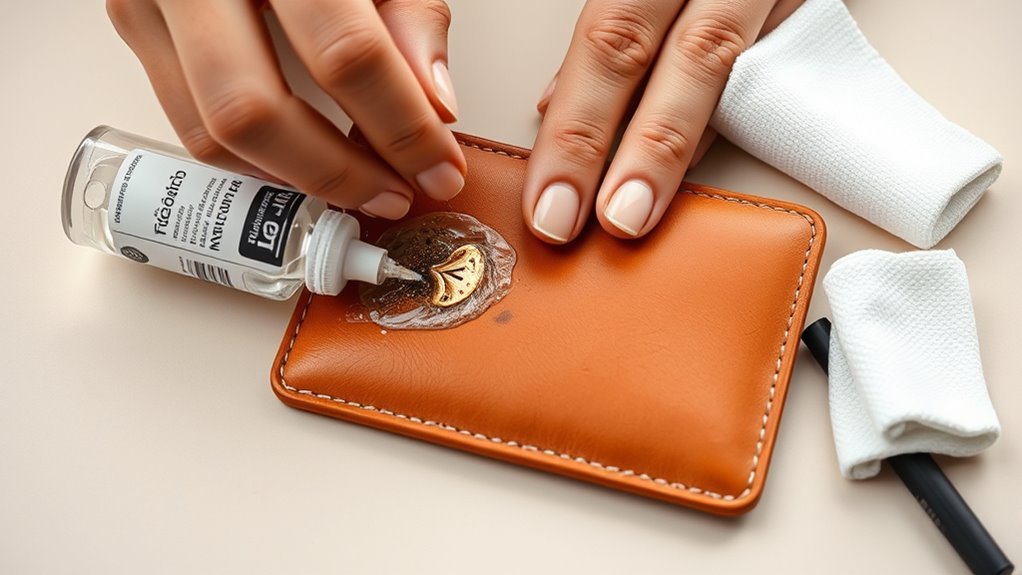
How to Remove Sharpie From Leather Safely Without Damage
To remove Sharpie from leather effectively, it’s important to use the right techniques to avoid damaging the material. Sharpie stains can be stubborn, but with careful handling, you can minimize their appearance.
Start by testing rubbing alcohol on a hidden spot of the leather to ensure it won’t cause any damage. Once confirmed safe, dab the stain gently with a soft cloth soaked in 70-90% rubbing alcohol. Avoid scrubbing, as this can harm the leather’s surface.
Repeat the dabbing process carefully until the ink begins to lighten. Afterward, wipe the area with a damp cloth to remove any residue.
Finally, condition the leather to restore its moisture and keep it supple.
If the stain persists or you feel uncertain about the process, consider exploring safer methods or seeking professional advice for the best results.
Understanding Sharpie Stains on Leather

How does Sharpie ink affect leather, and why is it so tough to remove? Sharpie ink is a dye-based stain that penetrates the leather surface, making it tricky to erase. Its chemical makeup includes propanol, butanol, and diacetone alcohols, which help the ink bond deeply with the leather fibers.
The stain often appears as vivid, dark marks that resist fading. Depending on the type and finish of your leather, the ink’s penetration depth varies, influencing how easily you can clean it. When you catch a Sharpie stain early, rubbing alcohol (isopropyl alcohol) can effectively dissolve the ink without harming the leather.
Understanding these factors will help you approach Sharpie removal with the right techniques and patience.
Preparing Your Leather Surface for Cleaning

Before you start cleaning, carefully inspect the leather surface for any damage or discoloration. Always test your cleaning solution on a small, hidden spot to make sure it won’t cause harm.
This step helps protect your leather while preparing it for stain removal.
Surface Inspection
Why does inspecting your leather surface matter before removing Sharpie stains? Because leather finishes and textures vary, and Sharpie ink is permanent, you need to approach cleaning carefully to avoid damage. Begin by examining your leather closely for existing finishes, dyes, or textures that affect which cleaning methods are safe.
Next, check the stain’s depth. How deeply the ink has soaked in influences your removal strategy. Finally, feel the surface gently to spot delicate or scuff-prone areas that require extra care.
Here’s a quick checklist for your surface inspection:
- Identify leather type and finish to choose the right cleaner.
- Assess stain penetration for appropriate treatment.
- Detect sensitive spots to avoid worsening damage.
This inspection ensures you protect your leather while tackling that permanent Sharpie mark.
Spot Testing
After you’ve carefully inspected your leather surface and identified any sensitive areas, the next step is to perform a spot test. Choose an inconspicuous spot, like the underside, to test your chosen method for removing a sharpie mark or other permanent marker stains.
Dab a tiny amount of alcohol, nail polish remover, or leather cleaner onto a soft cloth or cotton swab, then gently apply it in a circular motion. Wait several minutes to check for any discoloration or damage from Sharpie ink or Sharpie markers.
Avoid using harsh methods like Magic Eraser or isopropyl alcohol if the leather shows signs of distress. If all looks good, you can proceed confidently to remove sharpie stains.
For questions, feel free to contact us via email address. Good luck!
Using Rubbing Alcohol to Remove Sharpie

Start by dampening a soft cloth with 70-90% rubbing alcohol and gently dab the Sharpie stain to avoid harming the leather. Don’t rub too hard, as this can damage the surface, and let the alcohol sit briefly to break down the ink.
Afterward, clean and condition the leather to keep it soft and protected.
Alcohol Application Tips
Although rubbing alcohol can effectively break down Sharpie ink on leather, you should apply it carefully to avoid damaging the surface. Here are some essential alcohol application tips to help you remove the stain safely:
- Use 90% or higher rubbing alcohol on a cotton swab or soft cloth, and gently dab the Sharpie mark instead of rubbing aggressively.
- Apply the alcohol as soon as possible after the stain appears to prevent the ink from setting permanently.
- Always test the rubbing alcohol on a small, hidden area of the leather first to check for any discoloration or damage.
After lifting the stain, wipe the area with a clean, damp cloth and condition the leather to restore moisture and maintain its finish. Following these steps will help you remove Sharpie without harming your leather item.
Leather Safety Precautions
When using rubbing alcohol to tackle Sharpie stains on leather, taking safety precautions protects both your item and your efforts. First, always test rubbing alcohol on a small, hidden spot to ensure it won’t damage or discolor the leather.
Use 70-90% isopropyl alcohol applied with a soft cloth or cotton swab to avoid abrasion. Don’t rub too hard; gentle blotting prevents stripping the finish or scuffing. Avoid leaving alcohol on the leather for long—dab lightly and wipe off excess quickly.
After treatment, condition the leather with a proper leather conditioner to restore moisture and prevent drying or cracking. Following these steps helps you safely remove Sharpie without harming your leather’s look or texture.
Applying Magic Eraser Safely on Leather
Before you apply a Magic Eraser to your leather, make sure to dampen it with water to avoid damaging the surface. This simple step softens the eraser, reducing the risk of abrasion. Next, follow these steps carefully:
- Test the dampened Magic Eraser on a hidden spot to check for any discoloration or damage.
- Gently rub the Sharpie stain in circular motions, avoiding excessive pressure to protect the leather.
- Wipe the cleaned area with a damp cloth to remove any eraser residue.
Afterward, apply a leather conditioner to restore moisture and maintain the leather’s softness. Taking these precautions ensures you safely lift Sharpie marks without compromising your leather’s appearance or durability.
Alternative Household Products for Ink Removal
Since Sharpie ink can be stubborn, you can turn to common household products like isopropyl alcohol, hand sanitizer, or even body sprays with alcohol to help break down the stain on your leather. These products contain denatured alcohol, which effectively dissolves permanent marker ink when applied carefully.
Use a cotton ball or soft cloth saturated with the alcohol-based product to gently dab the stain. Avoid rubbing harshly to protect the leather’s finish. You might need to repeat the process a few times for better results.
After removing the ink, apply a leather conditioner to restore moisture and keep the surface supple. Remember, always test any product on a hidden spot first to avoid unexpected discoloration or damage. This cautious approach ensures your leather stays in great shape.
Testing Cleaning Methods on Hidden Areas
Using household products like isopropyl alcohol can be effective for removing Sharpie stains, but you need to make sure they won’t harm your leather first. Always test any cleaning method on a small, hidden area to avoid damaging visible surfaces. Here’s how to do it:
Isopropyl alcohol can remove Sharpie stains but always test on a hidden leather spot first to prevent damage.
- Choose an inconspicuous spot, such as the underside or interior of the leather item.
- Apply a tiny amount of the cleaning solution and wait several minutes.
- Check for any discoloration, texture changes, or damage.
If the test area remains unchanged, you can confidently treat the stained region. Document your test results to track what works best and avoid irreversible damage. This careful approach guarantees your leather stays safe throughout the cleaning process.
Tips for Protecting Leather During Stain Removal
When you tackle a Sharpie stain on leather, protecting the material’s integrity is essential to avoid lasting damage. Always test any cleaning solution on a small, hidden spot first to ensure it won’t affect the color or finish. Use gentle blotting or light circular motions instead of scrubbing to avoid abrasion.
Apply agents like rubbing alcohol or acetone sparingly. Don’t soak the leather, as this can cause drying or warping. Steer clear of harsh chemicals like bleach or abrasive cleaners that could strip color or weaken the leather.
After removing the stain, condition the leather with a quality leather conditioner to restore moisture and maintain flexibility. Following these tips helps keep your leather safe and looking great while effectively removing Sharpie marks.
When to Consider Professional Leather Cleaning
How do you know it’s time to call in a professional for Sharpie stain removal on leather? You should consider expert help when your own efforts don’t work or risk damaging the leather. Here are three clear signs to look for:
- After multiple DIY attempts, the stain remains stubborn or worsens.
- You notice discoloration, surface peeling, or uneven fading from cleaning attempts.
- The leather item is valuable, delicate, or a high-end piece like designer handbags or heirloom furniture.
Professionals use specialized solvents and techniques that effectively remove Sharpie ink without harming the leather. If preserving your item’s integrity and value matters to you, don’t hesitate to seek expert cleaning instead of risking irreversible damage at home.

Covering or Dyeing Over Persistent Sharpie Marks
If professional cleaning isn’t an option or the Sharpie stain still lingers after treatment, you can try covering it up with leather dye. Start by lightly sanding or buffing the marked area to help the dye adhere better and blend in seamlessly.
Choose a high-quality leather dye that matches your leather’s color. Testing it on a hidden spot first ensures compatibility and prevents damage. You might also consider incorporating the mark into a dyed border or pattern, turning the stain into part of the design.
Apply the dye carefully over the Sharpie stain, allowing it to dry fully between coats. This method effectively conceals persistent Sharpie marks while maintaining your leather’s appearance without risking further harm.
Preventing Future Sharpie Stains on Leather
Although Sharpie stains can be tough to remove, you can markedly reduce the risk by storing your leather items away from permanent markers and using protective treatments regularly. Taking simple precautions will keep your leather looking pristine and free from stubborn ink marks.
Here’s how you can prevent future Sharpie stains:
- Store your leather goods separately from markers, especially permanent ones, and keep markers in secure, closed containers out of children’s reach.
- Use child-safe, washable markers instead of Sharpies to avoid accidental permanent stains.
- Regularly apply a leather sealant or conditioner to create a protective barrier that resists ink absorption.
Frequently Asked Questions
What Removes Dried Sharpies?
You can remove dried Sharpies using rubbing alcohol by gently blotting the stain with a cotton swab soaked in it. Test first to avoid damage, and repeat if necessary.
Alternative solvents work but require caution.
Will Rubbing Alcohol Damage Leather?
Yes, rubbing alcohol can damage leather if you use too much or rub too hard. You should test it first, apply sparingly, and condition the leather afterward to keep it soft and prevent discoloration.
How to Remove Ink From Leather Without Damaging the Leather?
You know what they say, “Slow and steady wins the race.” Dab a little rubbing alcohol with a soft cloth, test first, work gently in circles, then condition the leather to keep it soft and damage-free.
Is Permanent Marker Permanent on Leather?
Yes, permanent marker is usually permanent on leather because its ink bonds deeply with the material. However, if you act quickly and use proper solvents, you might lighten or partially remove the stain without damaging the leather.
Conclusion
Don’t let that stubborn Sharpie stain turn your beautiful leather into a disaster zone! With the right steps—like rubbing alcohol, magic erasers, or even household hacks—you can banish those marks faster than you thought possible.
Protecting your leather isn’t just a chore; it’s saving your favorite piece from utter ruin. If all else fails, professionals are your secret weapon.
You’ve got this—no Sharpie stands a chance against your determination! Remember, knowing how to remove Sharpie from leather is key to keeping your items looking their best.