How to Clean Mold Off Leather Shoes in 3 Easy Steps
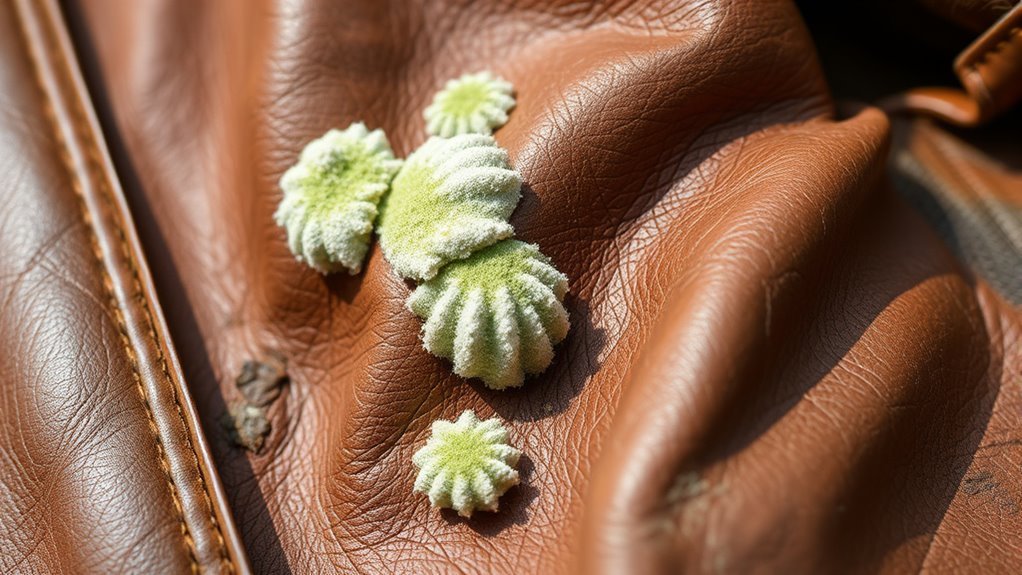
To clean mold off leather shoes effectively, start by gathering essential supplies such as a soft brush, cloth, distilled water, and a mild cleaner. These items will help you tackle the mold without damaging your leather footwear.
Begin by gently brushing off any loose mold from the shoes. Then, wipe the leather with a cloth dampened in a vinegar-water mix to kill the remaining mold spores. This method is safe and helps prevent mold from spreading further.
Next, dry the leather thoroughly to avoid moisture buildup, which can encourage mold growth. Finally, apply a leather conditioner and a protective spray to restore the shoes’ natural oils and shield them from future mold damage.
Keep following these steps, and you’ll discover useful tips to maintain your leather shoes and prevent mold from returning in the future.
Gather Your Cleaning Supplies

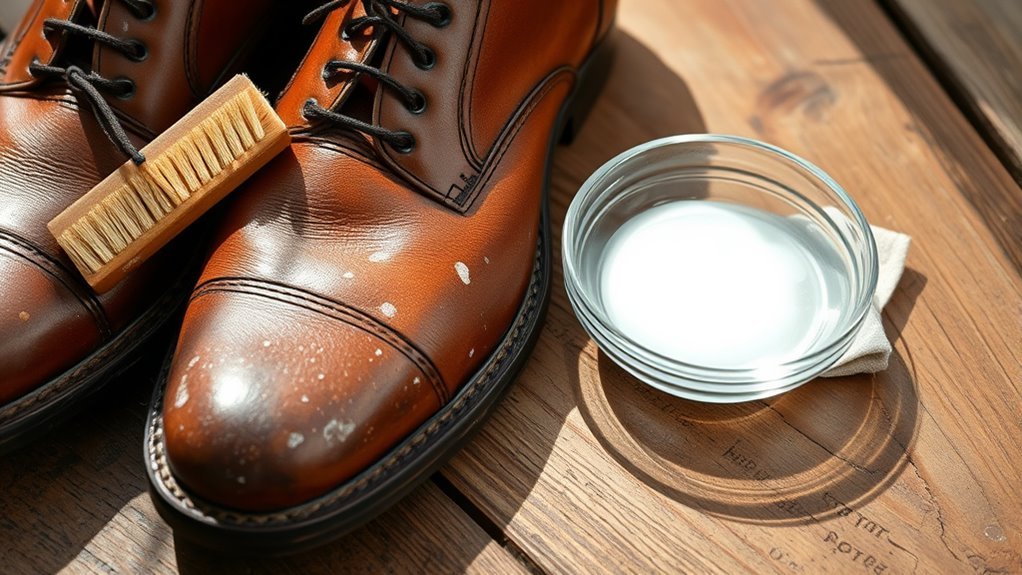
Before you begin cleaning mold off your leather shoes, gather all the necessary supplies to make the process smooth and effective. You’ll need a soft cloth or microfiber towel to gently wipe away dirt.
Grab a soft-bristled brush to reach crevices without damaging the leather. Have a bowl of distilled water ready to avoid mineral deposits.
Prepare a mild leather cleaner or a mixture of equal parts water and white vinegar, which works well against mold. Don’t forget gloves to protect your hands and a mask to avoid inhaling mold spores.
Finally, keep paper towels or a dry cloth nearby for drying your shoes after cleaning. Having everything at hand ensures you tackle mold quickly and safely without interruptions.
Remove Mold From the Leather Surface

Once you have your supplies ready, gently brush off any loose mold from the leather surface using the soft-bristled brush, taking care not to spread spores or damage the material.
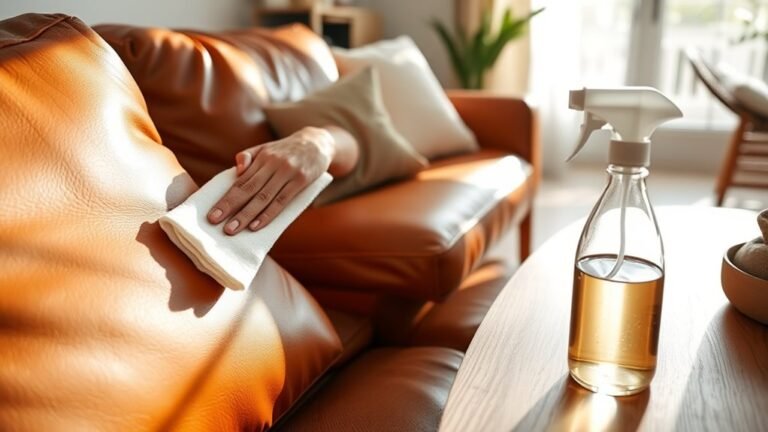
Next, dampen a clean cloth with a mixture of equal parts water and white vinegar. Lightly wipe the affected areas, applying gentle pressure to lift mold without soaking the leather. Avoid saturating the shoes, as excess moisture can worsen mold growth.
For stubborn spots, dip a cotton swab in the solution and carefully treat those areas.
After wiping, use a dry cloth to remove any remaining moisture.
Place the shoes in a well-ventilated area to air dry completely. This step guarantees the mold is effectively removed while preserving the leather’s integrity.
Condition and Protect Your Shoes

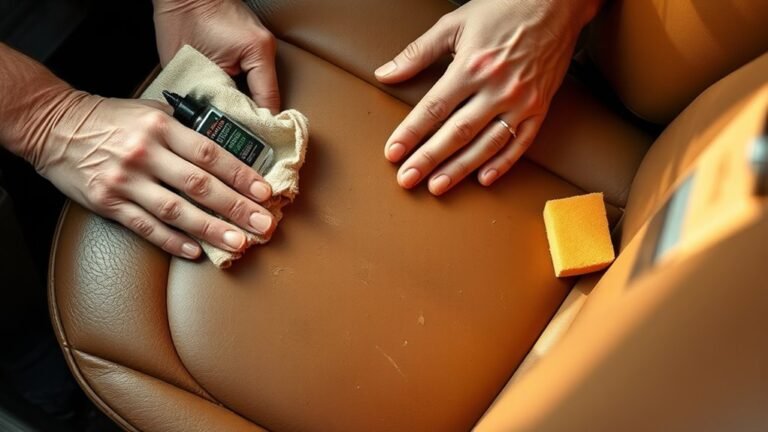
After thoroughly cleaning and drying your leather shoes, you’ll want to restore their softness and shield them from future damage. Apply a high-quality leather conditioner evenly using a soft cloth or sponge. This replenishes essential oils, preventing the leather from drying out and cracking.
Let the conditioner absorb fully, usually about 15 to 30 minutes.
Next, protect your shoes by applying a water and stain repellent spray designed for leather. This creates a barrier against moisture and mold spores.
Always test products on a small, hidden area first to ensure no discoloration occurs.
Regularly conditioning and protecting your shoes not only keeps them looking great but also extends their lifespan, keeping mold and other damage at bay. Make this part of your routine after every deep clean.
Frequently Asked Questions
Can Mold on Leather Shoes Cause Health Problems?
Yes, mold on leather shoes can cause health problems, especially if you’re sensitive or allergic. You’ll likely experience respiratory issues, skin irritation, or headaches, so it’s important you clean mold promptly to protect your health.
How Long Does It Take for Mold to Grow on Leather?
Mold can start growing on leather within 24 to 48 hours if it’s exposed to moisture and warmth.
You’ll want to dry your shoes quickly to prevent mold from taking hold and causing damage.
Is It Safe to Wear Leather Shoes Immediately After Cleaning Mold?
You shouldn’t wear leather shoes immediately after cleaning mold. Let them dry completely in a well-ventilated area to avoid moisture buildup, which can cause mold to return and damage the leather or irritate your skin.
Can Mold Return if Shoes Are Stored in Humid Conditions?
Mold loves to sneak back like an unwanted guest if you store your shoes in humid conditions.
Are All Types of Leather Equally Susceptible to Mold?
No, not all leather types are equally susceptible to mold. Softer, untreated leathers attract mold more easily, while treated or sealed leathers resist it better.
You should still store all leather shoes in dry conditions to prevent growth.
Conclusion
Now that you’ve tackled the mold, your leather shoes are almost like new—but don’t stop here. The real secret lies in how you care for them next. If you skip conditioning and protection, that pesky mold might just make a comeback.
So, before you slip them on again, take that extra step. You’ll be surprised how a little care can keep your shoes looking fresh and mold-free for the long haul.
Ready to give them that final touch? Proper leather shoe care is essential to maintain their appearance and prevent mold from returning.