Clean Your Leather Sofa With Vinegar in 3 Easy Steps
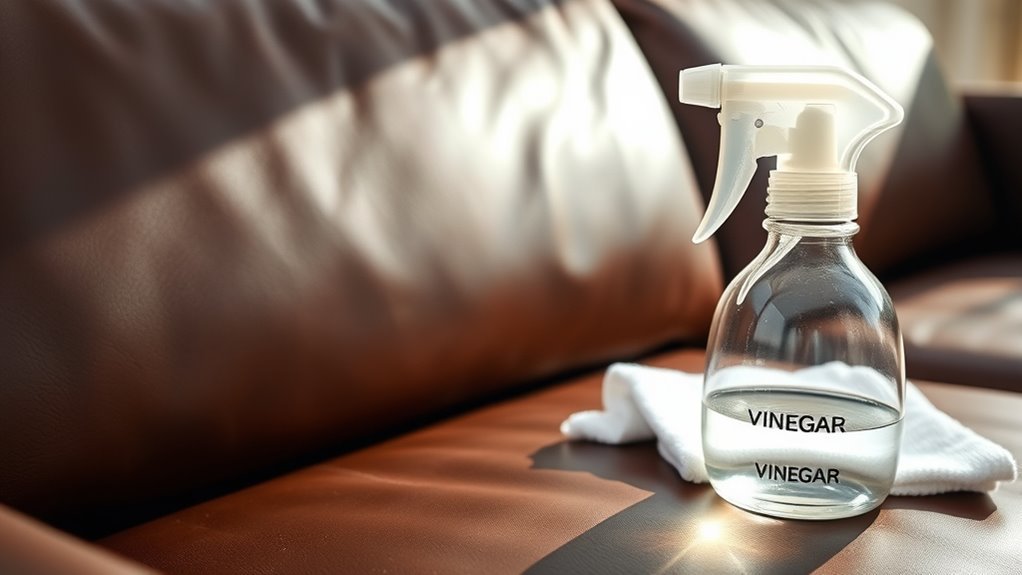
To clean your leather sofa with vinegar, start by mixing equal parts distilled white vinegar and water in a spray bottle. This natural cleaning solution is effective for removing dirt and grime while being gentle on your leather furniture.
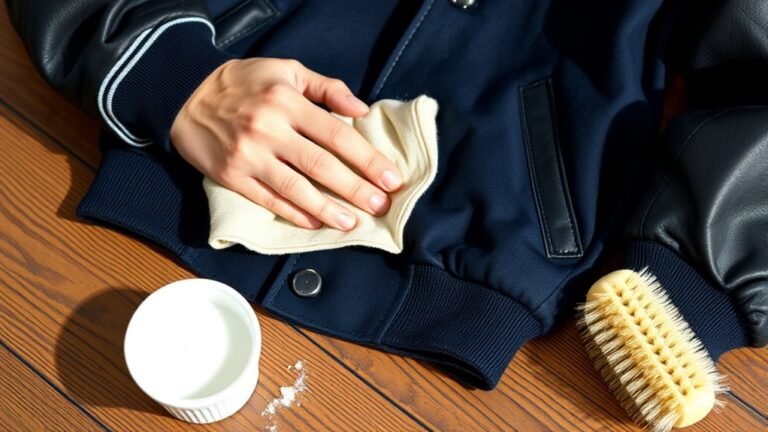
Next, test the solution on a hidden spot of the sofa to ensure it doesn’t cause any discoloration or damage. Then, gently apply the mixture with a damp cloth, working in small sections using circular motions to lift dirt.
After cleaning, wipe off any residue with a clean, damp cloth and let the sofa air dry completely. Finally, apply a leather conditioner to restore moisture and keep the leather soft and supple.
By following these simple steps regularly, you can maintain a clean, well-maintained leather sofa that looks great for years to come.
Prepare a Vinegar Cleaning Solution

Before you start cleaning, mix a solution of equal parts white vinegar and water in a spray bottle. This simple blend acts as a natural cleaner that won’t harm your leather.
Make sure you use distilled white vinegar to avoid any discoloration or residue. Fill the spray bottle halfway with vinegar, then top it off with water. Give it a gentle shake to combine the liquids evenly.
Avoid adding any other ingredients like soap or essential oils, as they can damage the leather.
Label your spray bottle clearly so you don’t confuse it with other cleaners.
Keep this solution handy for spot cleaning and regular maintenance. With this vinegar mix ready, you’ll have a safe, effective way to refresh your leather sofa without harsh chemicals.
Test and Apply the Solution to Your Sofa

Although the vinegar solution is gentle, you should test it on a small, hidden area of your leather sofa first to guarantee it doesn’t cause any discoloration or damage. Dampen a soft cloth with the solution and gently rub the test spot, then wait a few minutes to observe any changes.
If the leather looks unchanged, you’re good to proceed. Next, lightly moisten a clean cloth with the vinegar mixture and apply it to the sofa in small sections, using circular motions. Avoid soaking the leather, as excess moisture can harm it.
Work methodically, ensuring even coverage. This careful approach helps you clean effectively without risking damage, keeping your sofa looking fresh and well-maintained.
Wipe Down and Condition the Leather

Once you’ve cleaned your leather sofa with the vinegar solution, wipe it down with a damp cloth to remove any residue and prevent buildup. Make sure the cloth is just damp, not soaked, to avoid over-wetting the leather. After wiping, let your sofa air dry completely before moving on.
Next, apply a leather conditioner to restore moisture and keep the leather supple. Use a soft cloth to gently rub the conditioner in circular motions, covering all surfaces evenly. This step protects your sofa from drying out and cracking over time.
Conditioning also enhances the leather’s natural shine and extends its lifespan.
Frequently Asked Questions
Can Vinegar Damage All Types of Leather Sofas?
Yes, vinegar can damage some leather sofas, especially aniline or unfinished leather.
You should always test it on a small, hidden area first to avoid discoloration or drying out your sofa’s surface before cleaning.
How Often Should I Clean My Leather Sofa With Vinegar?
You should clean your leather sofa with vinegar no more than once every three months to avoid drying out the leather. Always test a small area first and condition the leather afterward to keep it soft and supple.
This helps maintain the sofa’s appearance and durability over time. Regular conditioning is key after using vinegar as a cleaning agent.
Is Vinegar Safe for Colored Leather?
Vinegar can be safe for colored leather if you dilute it properly and test a small hidden area first. Avoid using it full strength, as it might cause discoloration or damage to your leather’s finish.
Always proceed with caution and consider the type of leather you have before applying vinegar. When in doubt, consult a professional cleaner to avoid any risks.
Can Vinegar Remove Tough Stains Like Ink or Oil?
Though vinegar’s no magic elixir from Merlin’s time, it can help lift some ink or oil stains if you act quickly.
You’ll want to dilute it and test a hidden spot first to avoid damage.
What Should I Do if My Sofa Reacts Badly to Vinegar?
If your sofa reacts badly to vinegar, stop using it immediately. Wipe the area with a damp cloth, let it dry, and apply a leather conditioner.
Test any cleaner on a hidden spot first to avoid damage.
Conclusion
Now that you’ve mastered cleaning your leather sofa with vinegar, you’ll keep it looking fresh and vibrant like new. Just remember, a little care goes a long way—treat your sofa like a trusted friend, and it’ll reward you with lasting beauty.
Regularly wiping and conditioning your leather sofa will help maintain its charm, turning your living room into a cozy haven. With these simple steps, your leather sofa will always shine bright.
Using vinegar to clean leather is an easy, effective way to preserve your furniture. Keep up this routine to enjoy a soft, clean, and beautifully maintained leather sofa for years to come.