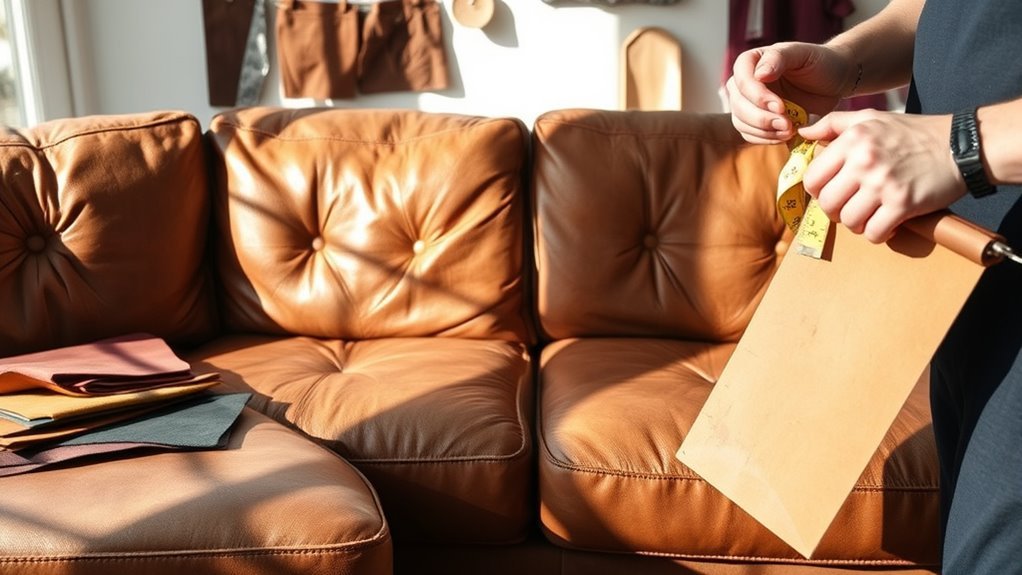
7 Factors That Affect How Much It Does Cost to Recover a Leather Sofa
When recovering your leather sofa, expect costs to vary based on several key factors that affect how much it does cost to recover a leather sofa. The type and quality of leather play a major role—you’ll pay more for premium full-grain or aniline leather. Sofa size and design complexity also impact prices significantly.
Additionally, the condition of the frame and cushions influences the overall cost. Labor expertise and regional market rates affect charges too, making it important to consider where you live. Custom touches like tufting or nailheads raise costs, along with any extra materials or services needed.
Understanding these factors lets you plan better and avoid surprises. A deeper look into each aspect reveals how to manage expenses effectively when recovering your leather sofa.
Type and Quality of Leather

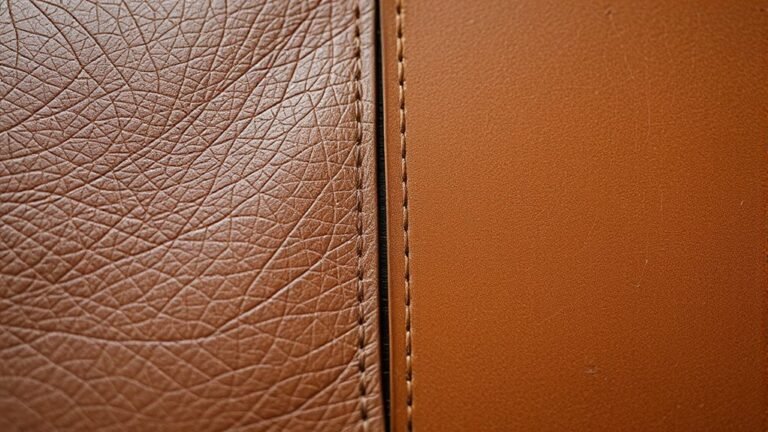
The type and quality of leather you choose play a major role in determining your sofa’s recovery cost. When you pick premium full-grain leather, expect to pay more because of its durability and natural look. Top-grain leather is slightly less expensive but still offers good quality.
Genuine or bonded leather costs less but doesn’t last as long, which might mean future repairs. The leather’s finish also matters. Aniline leather requires special care and skilled handling, increasing labor costs.
On the other hand, corrected-grain leather is more forgiving and affordable to work with.
If you want a rare or exotic leather, be prepared for a steep price hike. Ultimately, the better the leather quality, the higher the cost to recover your sofa, but it’s worth it for lasting beauty and comfort.
Size and Complexity of the Sofa

Because larger sofas require more materials and labor, they naturally increase your recovery costs.
When you have a sectional or a sofa with multiple cushions, expect to pay more since the upholsterer needs extra time and skill to handle each piece.
Intricate designs, like tufting, nailhead trim, or detailed stitching, also add complexity, driving up the price.
If your sofa has unusual shapes or curves, the fabric has to be cut and fitted carefully, which means additional labor costs.
On the other hand, a simple, standard-sized sofa with minimal detailing is quicker and easier to recover, saving you money.
Condition of the Existing Frame and Cushions

If your sofa’s frame or cushions show signs of damage or wear, expect recovery costs to escalate. Repairing a broken frame or replacing worn-out springs adds time and materials, increasing the overall price.
Similarly, cushions that have lost their shape, firmness, or support usually require re-padding or refilling, which raises the cost. When you want your sofa to look and feel comfortable again, these repairs are essential.
Ignoring frame or cushion issues might save money upfront but can lead to dissatisfaction with the final result. Before recovering, inspect your sofa carefully and discuss any needed repairs with the upholsterer.
Addressing structural and cushion problems ensures your investment in leather recovery delivers a durable, comfortable piece you’ll enjoy for years.
Labor Costs and Upholstery Expertise
When you choose skilled upholsterers, you’ll likely pay more for their expertise and attention to detail. Experienced professionals understand how to handle leather carefully, ensuring seams are tight and the fabric lays smoothly without wrinkles. Their knowledge helps prevent costly mistakes that could damage your sofa or require redoing the work.
Labor costs vary depending on the complexity of the sofa’s design and the upholsterer’s hourly rate, which reflects their skill level and reputation.
If you want a flawless finish that lasts, investing in expert labor is worth it. On the other hand, opting for less experienced workers might save money upfront but could result in a lower-quality recovery that wears out faster, costing you more in the long run.
Customization and Design Preferences
Skilled labor sets the foundation for a quality leather sofa recovery, but your personal style plays a big role in the final cost.
When you opt for custom designs, intricate stitching, or unique patterns, expect the price to rise.
Choosing rare or premium leather types also adds to expenses, as they require specialized handling.
If you want additional features like decorative nailheads, tufting, or piping, the complexity increases, affecting labor time and cost.
Simple, classic designs typically cost less because they demand less detail and fewer materials.
Keep in mind, the more personalized your choices, the more time and skill the upholsterer invests, which directly impacts the price.
Geographic Location and Market Rates
Because labor costs and material prices vary widely across regions, your leather sofa recovery cost will reflect where you live. In urban areas, you’ll often pay more due to higher wages and rent costs for workshops, while rural locations might offer lower rates but fewer skilled upholsterers.
Leather sofa recovery costs vary by location, with urban areas typically charging more than rural ones.
Additionally, demand in your local market influences pricing; if leather furniture is popular, prices could rise.
You should also consider regional availability of materials. If premium leather is scarce nearby, expect higher costs from shipping or sourcing.
Checking multiple local upholsterers helps you gauge fair pricing.
Ultimately, understanding your area’s market rates empowers you to budget realistically and find the best balance between quality and cost when recovering your leather sofa.
Additional Services and Materials Needed
If your leather sofa requires extra repairs like frame reinforcement or cushion replacement, these additional services will increase the overall recovery cost. You’ll want to factor in the type and amount of materials needed, as well as any specialized labor involved.
For example, if the sofa has damaged springs or padding, these parts must be fixed or replaced before reupholstering.
Here are three common additional factors that affect the price:
- Quality and type of leather or fabric – Premium materials cost more.
- Replacement of internal components – Springs, foam, or webbing repairs add labor and parts costs.
- Custom detailing or embroidery – Adds complexity and time, increasing expenses.
Understanding these aspects helps you budget realistically for recovering your leather sofa.
Frequently Asked Questions
How Long Does Leather Sofa Recovery Typically Take?
Leather sofa recovery typically takes about one to two weeks.
You’ll want to factor in time for fabric selection, removal, and reupholstering. Some projects might take longer, depending on complexity and upholsterer availability.
Can I Recover a Leather Sofa Myself?
Sure, you can recover a leather sofa yourself—if you love frustration and uneven seams.
But seriously, unless you’re a pro, DIY might cost more nerves and money than hiring an expert who knows what they’re doing.
What Maintenance Is Required After Recovering a Leather Sofa?
You’ll want to regularly dust and clean your leather sofa with a damp cloth, apply a leather conditioner every 6-12 months, avoid direct sunlight, and promptly address spills to keep it looking fresh and prevent cracking.
Regular cleaning removes dust and dirt that can damage the leather over time. Conditioning helps maintain the leather’s natural oils and flexibility.
Avoid placing your sofa in direct sunlight to prevent fading and drying out. If spills occur, clean them up immediately to avoid stains and damage.
Is Recovering Better Than Buying a New Leather Sofa?
In the spirit of a Victorian craftsman, you’ll find recovering your leather sofa often beats buying new—it saves money, preserves quality, and keeps sentimental value alive.
Plus, you won’t have to wait for delivery or assembly.
Are There Eco-Friendly Options for Leather Sofa Recovery?
Yes, you can choose eco-friendly leather recovery options like using vegetable-tanned leather or leather alternatives made from sustainable materials.
These choices reduce environmental impact and let you refresh your sofa responsibly without sacrificing style or quality.
Conclusion
When you think about recovering your leather sofa, don’t underestimate how these factors can skyrocket the cost beyond your wildest dreams! From the type of leather to the expertise of the upholsterer, every detail matters more than you might imagine.
If you’re not careful, what seems like a simple fix could turn into a wallet-busting project. So, keep these factors in mind—you’ll thank yourself when your sofa looks amazing without breaking the bank!
Understanding the 7 factors that affect how much it does cost to recover a leather sofa can help you plan better and avoid unexpected expenses.