How Long Does It Take to Break in Leather Shoes?
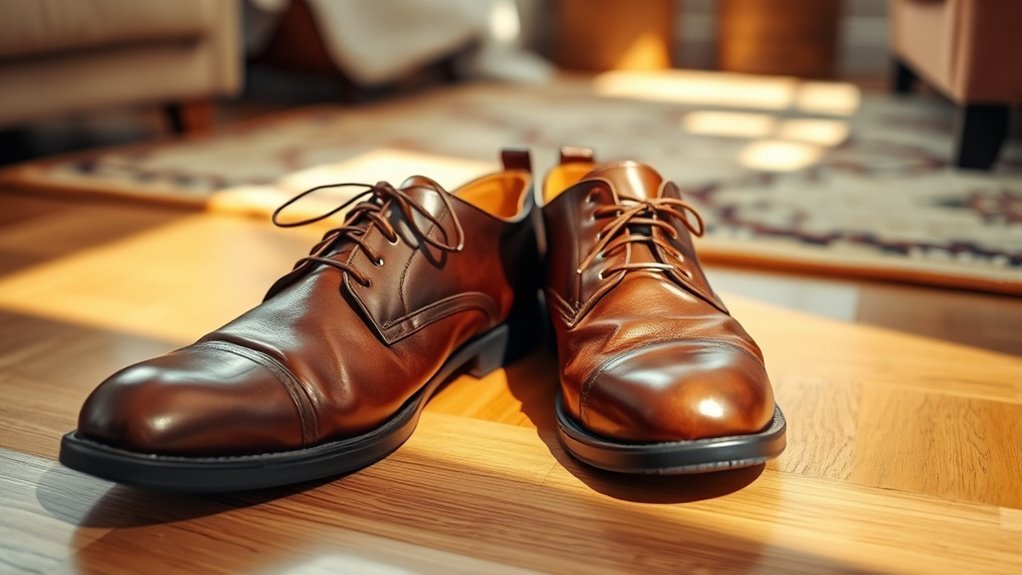
Breaking in leather shoes usually takes one to three weeks, depending on factors like leather type, shoe construction, and how often you wear them. Full-grain leather may feel stiff longer, while softer top-grain leather breaks in faster. You’ll notice increased comfort and flexibility as the leather molds to your feet.
Using conditioners or wearing thick socks can speed up the process. Stick around to discover tips on speeding up softening and preventing discomfort during break-in.
Factors That Affect the Break-In Time of Leather Shoes

Although breaking in leather shoes takes time, several key factors influence how long it will take you to feel comfortable in them. First, the shoe’s fit plays a major role. If they’re too tight or too loose, breaking them in will take longer.
Proper fit is crucial; too tight or loose shoes take longer to break in comfortably.
Your activity level matters too. Wearing your shoes for a few hours daily speeds up the process compared to occasional use.
The shoe’s design also affects break-in time. Shoes with more rigid construction or thicker soles tend to need more time to soften up.
Additionally, your foot shape influences how quickly the leather molds to you.
Finally, environmental factors like humidity and temperature can impact the leather’s flexibility, altering the break-in period.
Keep these factors in mind to set realistic expectations for your shoes.
Types of Leather and Their Impact on Comfort

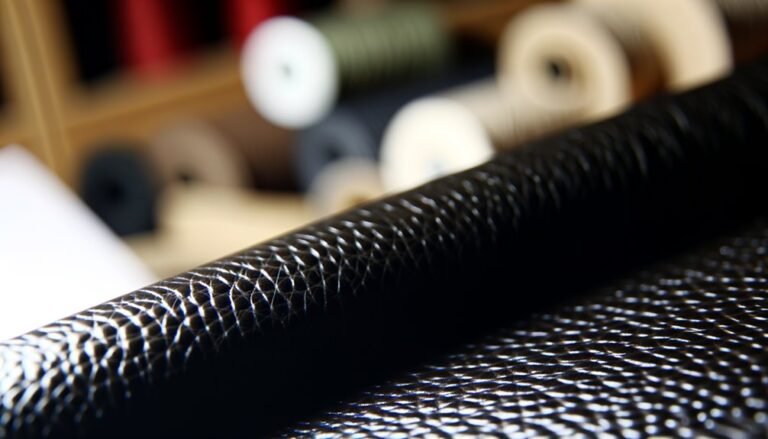
Because different types of leather have unique textures and flexibility, they considerably affect how comfortable your shoes feel during the break-in period. Full-grain leather, for example, is sturdy and durable but can feel stiff at first, requiring more time to soften and mold to your feet.
On the other hand, top-grain leather is sanded and treated for a smoother finish, making it more flexible and quicker to break in.
Suede and nubuck leathers are softer and more pliable, often providing comfort sooner but may require more care to maintain their look.
Understanding the kind of leather your shoes are made from helps you set realistic expectations about comfort and break-in time, ensuring you treat them properly and wear them confidently.
Typical Timeline for Breaking in Leather Shoes

When you first put on new leather shoes, expect some initial stiffness that gradually eases as the leather softens and molds to your feet. Typically, breaking in takes about 1 to 2 weeks with regular wear. Think daily use for a few hours at a time.
New leather shoes start stiff but soften and mold to your feet with about 1 to 2 weeks of regular wear.
During the first few days, the leather feels firm and might cause mild discomfort. By the end of week one, you’ll notice the shoes becoming more flexible and conforming better to your foot shape.
Around weeks two to three, the shoes should feel noticeably more comfortable and supportive.
Keep in mind, the exact timeline depends on the leather type and shoe construction. Patience and consistent wearing are key to achieving a perfect fit without rushing the process.
Signs Your Leather Shoes Are Properly Broken In
Once your leather shoes have softened and adapted to your feet, you’ll notice several clear signs that they’re properly broken in. They’ll feel comfortable without pressure points, and you’ll walk with ease, experiencing reduced stiffness.
The leather will flex naturally, and the shoes won’t pinch or rub uncomfortably.
Here’s a quick overview of key signs:
| Sign | What It Means | Why It Matters |
|---|---|---|
| Comfort | No pain or tightness | You can wear them long |
| Flexibility | Leather bends smoothly | Easier walking |
| No Blisters | No rubbing spots | Skin stays healthy |
| Secure Fit | Shoes don’t slip | Stability and support |
Recognizing these signs guarantees you know when your shoes are truly ready for everyday wear.
Techniques to Soften Stiff Leather Quickly
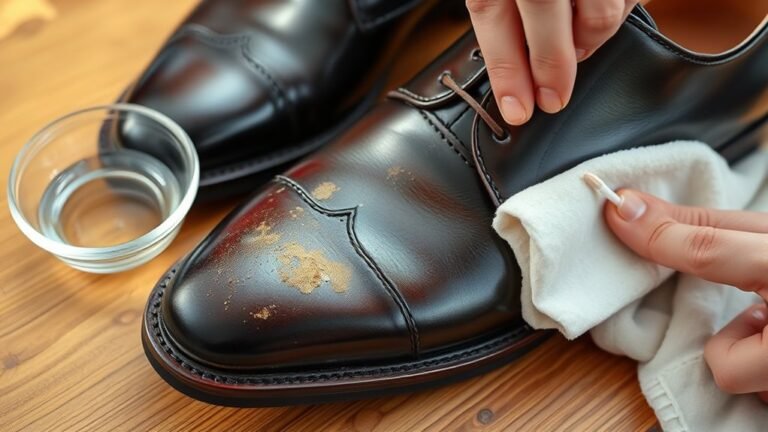
Although leather naturally softens with wear, you don’t have to wait days to enjoy comfortable shoes. Start by applying a leather conditioner or mink oil to hydrate and loosen the fibers. Use a soft cloth to massage the product evenly, then let the shoes sit overnight.
For a quicker method, wear thick socks and use a hairdryer on a low heat setting, warming the leather gently as you flex your feet inside. Be careful not to overheat or dry out the leather.
Another effective trick is to stuff the shoes with damp newspaper; as it dries, the paper stretches the leather subtly. These techniques can speed up softening, making your leather shoes feel more flexible and less stiff right away.
How to Prevent Discomfort and Blisters During Break-In
Since breaking in leather shoes can cause pressure points and friction, you’ll want to take steps to prevent discomfort and blisters from the start. Begin by wearing thin, moisture-wicking socks to reduce sweat buildup and minimize rubbing.
Prevent blisters by wearing thin, moisture-wicking socks to reduce sweat and friction during leather shoe break-in.
Use blister prevention tape or padded insoles on areas prone to irritation. When you first wear your shoes, limit your time indoors to short periods to allow your feet to adjust gradually.
Applying a leather conditioner beforehand can soften the material, reducing stiffness that causes friction. If you feel a hotspot forming, stop and adjust your socks or insoles immediately.
Finally, keep your feet dry. Moisture increases friction and the chance of blisters. Taking these precautions helps you break in your shoes comfortably and avoid painful setbacks.
The Role of Shoe Construction in the Break-In Process
When you choose leather shoes, the way they’re constructed plays a big role in how quickly and comfortably they break in. Shoes with a Goodyear welt or Blake stitch tend to be stiffer at first, so they may need more time to soften up.
On the other hand, cemented shoes, which are glued together, usually feel more flexible from the start but mightn’t last as long.
The type of leather lining and sole also affects the break-in period. Full-grain leather soles are durable but firm, while rubber soles offer more immediate comfort.
Pay attention to the shoe’s shape and padding too. A well-constructed shoe matches your foot shape better, reducing the risk of pressure points during the break-in.
Caring for Leather Shoes During and After Break-In
Proper care plays a essential role in helping your leather shoes break in smoothly and last longer. You should clean them regularly, apply conditioner to keep the leather supple, and use shoe trees to maintain shape. Avoid wearing them in harsh weather until fully broken in. After each use, let them air out to prevent moisture buildup.
| Care Step | Purpose | Frequency |
|---|---|---|
| Cleaning | Removes dirt & debris | After every few wears |
| Conditioning | Keeps leather soft | Every 1-2 weeks |
| Using Shoe Trees | Maintains shape | After each wear |
| Airing Out | Prevents moisture & odor | After each wear |
| Avoiding Wetness | Prevents damage & stiffness | Always |
Following these tips ensures comfort and durability throughout the break-in and beyond.
When to Seek Professional Help for Leather Shoe Fitting
If your leather shoes cause persistent discomfort despite following break-in advice, it’s time to contemplate professional fitting services. A cobbler or shoe specialist can assess your shoes and feet to identify issues like tight spots, uneven pressure, or improper sizing.
Don’t ignore ongoing pain, blisters, or numbness, as these signs indicate your shoes might need adjustments beyond home remedies. Professionals can stretch the leather, add padding, or modify the shoe shape to better fit your foot.
Seeking expert help guarantees you avoid long-term foot problems and get the most comfort from your investment. Remember, leather shoes should support and feel good, not cause pain.
When in doubt, trust a professional to fine-tune the fit for you.
Frequently Asked Questions
Can Leather Shoes Be Broken in Without Wearing Them?
Yes, you can break in leather shoes without wearing them by using methods like applying leather conditioner, stuffing them with socks or newspaper, and using a shoe stretcher.
These techniques help soften the leather and improve comfort.
Does Humidity Affect the Leather Shoe Break-In Process?
Imagine you’re in a humid climate; yes, humidity does affect breaking in leather shoes. It softens the leather, making it more pliable faster, but too much moisture can cause damage or mold if you’re not careful.
High humidity can speed up the leather’s adaptation to your foot shape. However, it’s important to maintain proper care to avoid any adverse effects from excess moisture.
Are There Specific Socks Recommended for Breaking in Leather Shoes?
You should wear thin, moisture-wicking socks when breaking in leather shoes. They reduce friction and keep your feet dry, helping the leather mold comfortably without causing blisters or discomfort during the break-in process.
Can Water Damage Occur During the Break-In Period?
Yes, water damage can happen during the break-in period if your leather shoes get wet.
You’ll want to avoid exposure to moisture and use waterproof sprays to protect them while they mold to your feet.
How Do Vegan Leather Shoes Compare in Break-In Time?
Vegan leather shoes generally break in faster than real leather since they’re less stiff initially. You’ll notice they feel comfortable sooner, but they might not mold perfectly to your feet like genuine leather would.
Conclusion
Breaking in leather shoes usually takes about 2 to 4 weeks, but did you know that 70% of people experience blisters during this period? To avoid discomfort, use techniques like wearing thick socks or applying leather conditioner.
Remember, every pair is different, so listen to your feet and care for your shoes properly. With patience and the right approach, your leather shoes will become perfectly comfortable and last for years to come.
Proper care and patience are key when it comes to breaking in leather shoes. By following these tips, you can ensure your leather shoes provide comfort and durability throughout their lifetime.