How Do You Get Water Stains Out of Leather Shoes
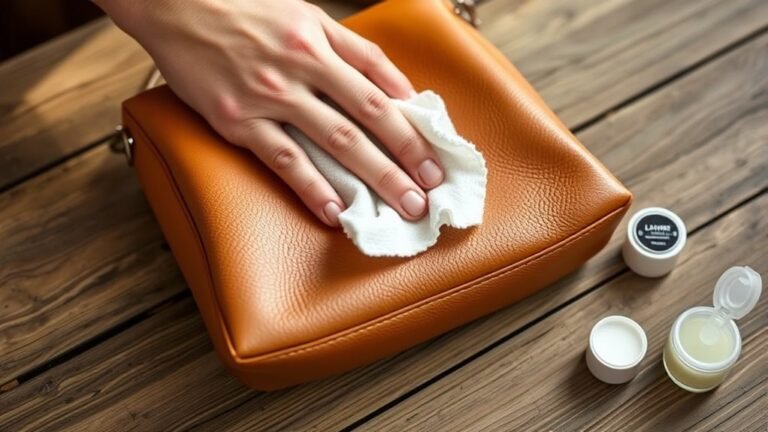
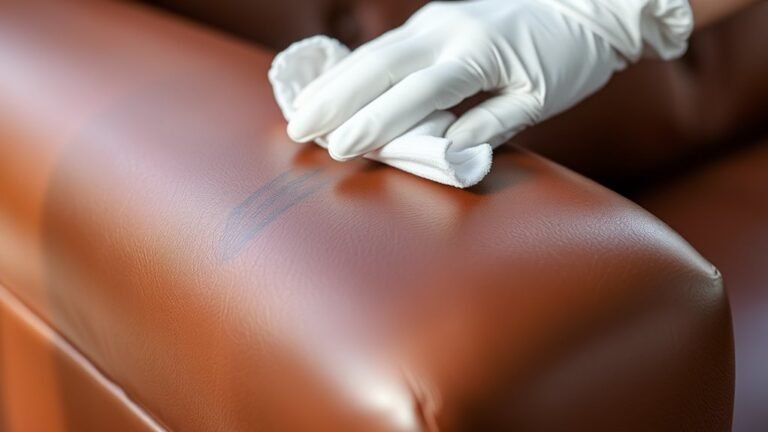
To get water stains out of leather shoes, start by gently wiping the stained area with a soft, damp cloth. Be careful not to soak the leather, as excess moisture can cause damage. This initial step helps lift surface stains effectively.
For tougher water stains, apply a leather cleaner or use a mixture of vinegar and water. Use circular motions to gently work the solution into the leather. Afterward, wipe away any residue with a clean, damp cloth.
Always allow your shoes to air dry naturally, keeping them away from direct heat sources. Once dry, condition the leather to restore its moisture and prevent cracking. Keep reading to discover more tips and effective methods for caring for your leather shoes.
Understanding the Causes of Water Stains on Leather

Although you mightn’t notice it immediately, water can easily leave stains on leather shoes because the material absorbs moisture unevenly. When water touches your shoes, it seeps into the leather’s pores, causing some areas to darken while others remain dry.
This uneven absorption creates those unsightly water spots. Additionally, the minerals and impurities in water can react with the leather, intensifying discoloration.
If your shoes aren’t properly treated or sealed, they become more vulnerable to water damage. Environmental factors like rain, puddles, or even sweat can contribute to these stains.
Understanding how water interacts with leather helps you recognize why stains form and why quick action is essential to prevent permanent marks on your favorite shoes.
Preparing Your Leather Shoes for Cleaning

Since water stains occur when moisture interacts unevenly with leather, addressing these marks starts with properly preparing your shoes for cleaning. First, remove any loose dirt or debris with a soft brush. Then, let your shoes dry completely at room temperature to avoid damaging the leather.
Before you clean, test any cleaner on a hidden area to guarantee it won’t discolor the leather.
| Step | Tool Needed | Purpose |
|---|---|---|
| Remove debris | Soft brush | Clear surface dirt |
| Dry shoes | Air dry (no heat) | Prevent leather damage |
| Test cleaner | Cotton cloth | Check for discoloration |
| Prepare workspace | Clean towel | Protect surfaces and catch drips |
Using a Damp Cloth to Wipe Away Fresh Stains

When water stains are still fresh, you can often lift them by gently wiping the leather with a damp cloth. First, dampen a soft cloth with lukewarm water. Avoid soaking it.
Lightly wipe the stained areas in a circular motion, applying minimal pressure to prevent damaging the leather. Make sure you cover the entire stained area evenly to avoid water spots.
After wiping, let your shoes air dry naturally, away from direct heat or sunlight. This method helps dilute the water residue before it sets in.
If the stain persists, repeat the process once more, but don’t over-wet the leather. Using a damp cloth promptly is your best bet for removing fresh water stains without risking harm to your shoes.
Applying Leather Cleaner for Deeper Stains
If wiping with a damp cloth doesn’t fully remove the water stains, it’s time to reach for a leather cleaner designed for tougher marks. Choose a cleaner specifically formulated for leather to avoid damage.
Apply a small amount to a soft cloth, then gently rub it onto the stained areas in circular motions. Don’t saturate the leather; a little goes a long way.
Let the cleaner sit for a few minutes to break down the stain. Then, use a clean, damp cloth to wipe away any residue.
Finally, allow your shoes to air dry naturally, away from direct heat or sunlight.
This method helps lift deeper water stains without harming the leather’s finish or texture.
Using Vinegar Solution to Remove Water Marks
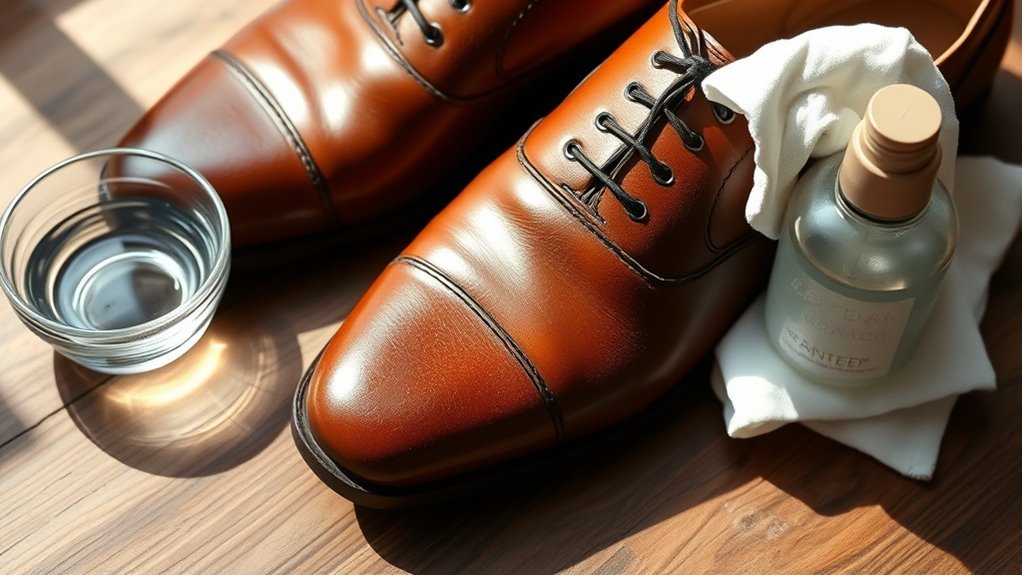
Although leather requires gentle care, you can effectively tackle water marks using a vinegar solution. Mix equal parts white vinegar and water in a bowl. Dampen a clean cloth with the solution, don’t soak it, and gently rub the stained areas in a circular motion.
Vinegar helps break down the mineral deposits left by water without damaging the leather. After treating the stain, wipe the area with a slightly damp cloth to remove any vinegar residue.
Let your shoes air dry away from direct heat or sunlight to prevent cracking. Repeat the process if necessary, but avoid over-wetting the leather.
Using this simple vinegar solution can restore your shoes’ appearance without harsh chemicals or expensive products.
Conditioning Leather After Stain Removal
Since removing water stains can dry out your leather shoes, you’ll want to condition them promptly to restore moisture and flexibility. Start by choosing a high-quality leather conditioner suited for your shoe type.
Condition your leather shoes promptly after water stain removal to restore moisture and maintain flexibility.
Apply a small amount evenly with a soft cloth, working it into the leather with gentle circular motions. Avoid over-saturating, as too much conditioner can cause damage.
Let the conditioner absorb fully, usually about 15-30 minutes, then buff the shoes with a clean cloth to bring out a natural shine.
Conditioning helps prevent cracking and keeps your shoes supple, extending their lifespan. Make this step a regular part of your shoe care routine after any stain removal to maintain their appearance and durability.
Tips for Preventing Water Stains on Leather Shoes
To keep your leather shoes looking their best, you’ll want to take proactive steps to prevent water stains before they happen. Start by applying a quality waterproofing spray designed specifically for leather. This creates a barrier that repels moisture without damaging the material.
Avoid wearing your leather shoes in heavy rain or through puddles whenever possible. If you do get caught in wet conditions, wipe off excess water immediately with a soft cloth.
Store your shoes in a cool, dry place away from direct sunlight, which can dry out leather and make it more prone to staining. Regularly condition your shoes to maintain their suppleness and protective layer.
When to Seek Professional Leather Cleaning Services
Even with the best preventive care, water stains and other damage can sometimes become stubborn or widespread. When this happens, you might need to seek professional leather cleaning services to restore your shoes properly.
Consider professional help if:
- The stains cover a large surface area or have deeply penetrated the leather.
- DIY methods cause discoloration or texture changes.
- Your shoes are made of delicate or exotic leather types.
- You want to preserve the shoe’s value and appearance long-term.
Professionals use specialized techniques and products that are safe and effective. Don’t hesitate to get expert help if you’re unsure or if your attempts at cleaning don’t work.
This guarantees your leather shoes get the best care without risking further damage.
Frequently Asked Questions
Can Water Stains Permanently Damage Leather Shoes?
Yes, water stains can permanently damage leather shoes if you don’t act quickly. You’ll want to dry them properly and condition the leather to prevent discoloration and cracking, keeping your shoes looking great longer.
Is It Safe to Use Household Cleaners on Leather?
You shouldn’t use harsh chemicals, you shouldn’t use abrasive scrubs, and you shouldn’t use generic cleaners on leather.
Instead, you should use products designed specifically for leather to keep it safe and looking great.
How Long Does It Take for Leather to Dry After Cleaning?
It usually takes leather shoes about 24 hours to dry completely after cleaning. You shouldn’t rush it—let them air dry naturally, away from direct heat or sunlight. This helps prevent damage and keeps the leather supple.
Can Water Stains Affect the Color of Leather Shoes?
Yes, water stains can affect your leather shoes’ color by causing dark spots or uneven patches.
You’ll want to treat them quickly to prevent permanent discoloration and maintain your shoes’ original appearance.
Are There Specific Leather Types More Prone to Water Stains?
Leather types like suede and nubuck are more prone to water stains because they’re like sponges, soaking up moisture quickly. You’ll want to treat them carefully and use specific protectants to keep them looking sharp.
Conclusion
Don’t let water stains turn your leather shoes into a soggy mess of embarrassment! With just a little care—wiping, cleaning, and conditioning—you can bring them back from the brink of ruin to showroom shine.
Imagine strutting confidently, knowing those pesky marks don’t stand a chance. Follow these simple steps, and your leather will look so flawless, people might think you’ve got a magic touch.
Your shoes deserve nothing less! By removing water stains from leather shoes properly, you maintain their beauty and extend their life. Keep your leather shoes looking their best with regular care and timely water stain removal.