How You Can Use Shoe Polish Safely on a Leather Couch
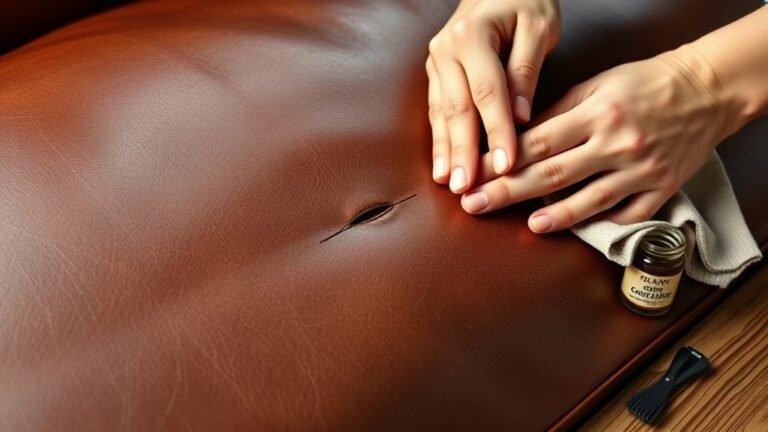
You can use shoe polish safely on your leather couch by first identifying your leather type and choosing a matching or neutral cream-based polish. Using shoe polish on leather furniture requires careful selection to avoid damage.
Clean the couch thoroughly, then test the polish on a hidden spot to check for any color change or damage. Apply the polish sparingly in circular motions and buff after it dries to avoid streaks.
Taking these careful steps will protect your couch and enhance its shine—there’s more to learn on achieving the best results and maintenance tips.
Understanding the Types of Leather on Your Couch

Before applying shoe polish, you need to identify the type of leather on your couch. Different leathers react differently to products, so knowing what you’re working with is essential.
Your couch might be made from full-grain, top-grain, corrected-grain, or bonded leather. Full-grain leather is the most natural and durable, showing natural imperfections. Top-grain leather is slightly sanded and treated for a smoother finish.
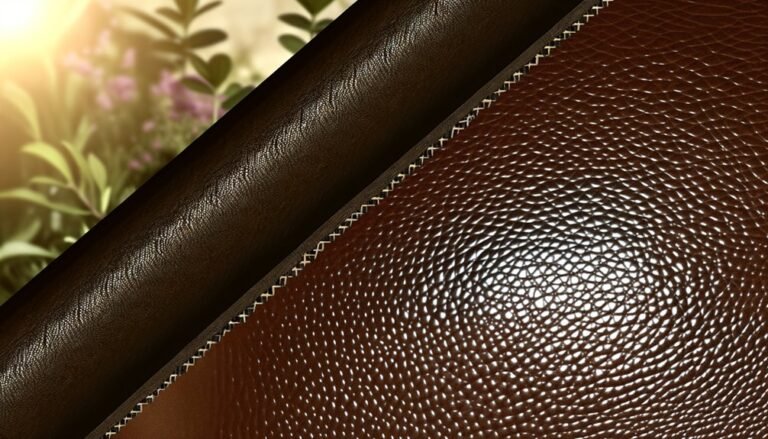
Couches come in full-grain, top-grain, corrected-grain, or bonded leather, each with unique textures and durability.
Corrected-grain leather has been buffed to remove flaws and usually coated, while bonded leather is made from leftover leather scraps mixed with polyurethane. You can usually find this information on the manufacturer’s label or by asking the retailer.
If you’re unsure, test a hidden spot with a damp cloth to check how the leather reacts before proceeding. This step helps protect your couch from damage.
Choosing the Right Shoe Polish for Leather Furniture

When selecting shoe polish for your leather furniture, you’ll want to pick a product that matches your couch’s leather type and color to avoid unwanted stains or damage.
Cream-based polishes work well on smooth, finished leather, as they nourish and restore shine without clogging pores.
Wax-based polishes offer a protective layer but can darken lighter leathers, so test first on a hidden spot.
Avoid using polishes with strong dyes or solvents, especially on delicate or suede leather, since they can cause discoloration or harm the material.
If your couch has a specific color, choose a polish that closely matches or opt for a neutral shade to maintain its natural look.
Always read the label to ensure compatibility with furniture-grade leather.
Preparing Your Leather Couch Before Applying Shoe Polish

Once you’ve chosen the right shoe polish for your leather couch, you need to get the surface prepared to guarantee the best results. Start by vacuuming the couch to remove dust and debris.
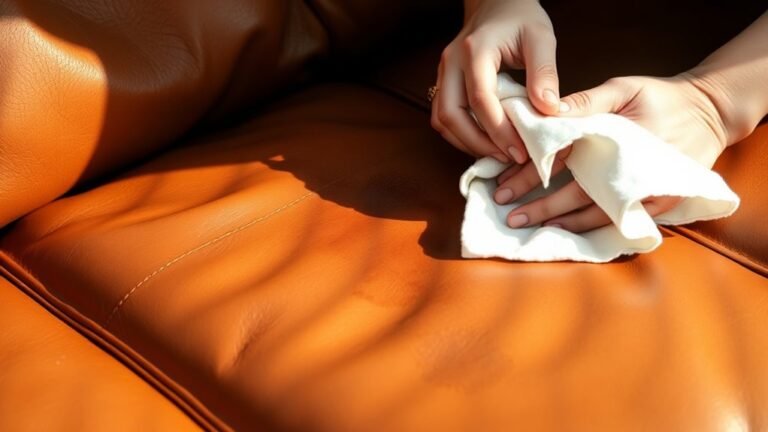
Then, use a damp cloth with mild soap to wipe down the leather gently. Allow it to dry completely before applying polish. Avoid using harsh cleaners that can damage the leather’s finish.
Preparing properly ensures the polish adheres well and enhances the leather’s natural shine.
| Step | What to Do | Why It Matters |
|---|---|---|
| 1. Vacuum | Remove dust and crumbs | Prevents scratches |
| 2. Clean gently | Use mild soap and damp cloth | Avoids damage |
| 3. Dry fully | Let leather air dry | Ensures polish sticks evenly |
| 4. Avoid harsh cleaners | Skip bleach or solvents | Protects leather finish |
| 5. Inspect surface | Check for cracks or damage | Address issues before polishing |
Testing Shoe Polish on a Hidden Area
Although you might be enthusiastic to apply shoe polish directly to your leather couch, you should always evaluate it on a hidden area first. Choose a spot that’s out of sight, like under a cushion or behind the couch.
Apply a small amount of shoe polish there and let it dry completely. This test helps you see how the leather reacts, whether the color changes undesirably, if the polish causes any damage, or if the finish becomes sticky or uneven.
Test a small spot with shoe polish to check for color change, damage, or sticky finish before full application.
By doing this, you avoid surprises on the main surface. If the hidden area looks good after drying, you can proceed with more confidence. If not, reconsider using shoe polish or try a different product better suited for your leather.
Testing ensures your couch stays beautiful and protected.
Step-by-Step Guide to Applying Shoe Polish Safely
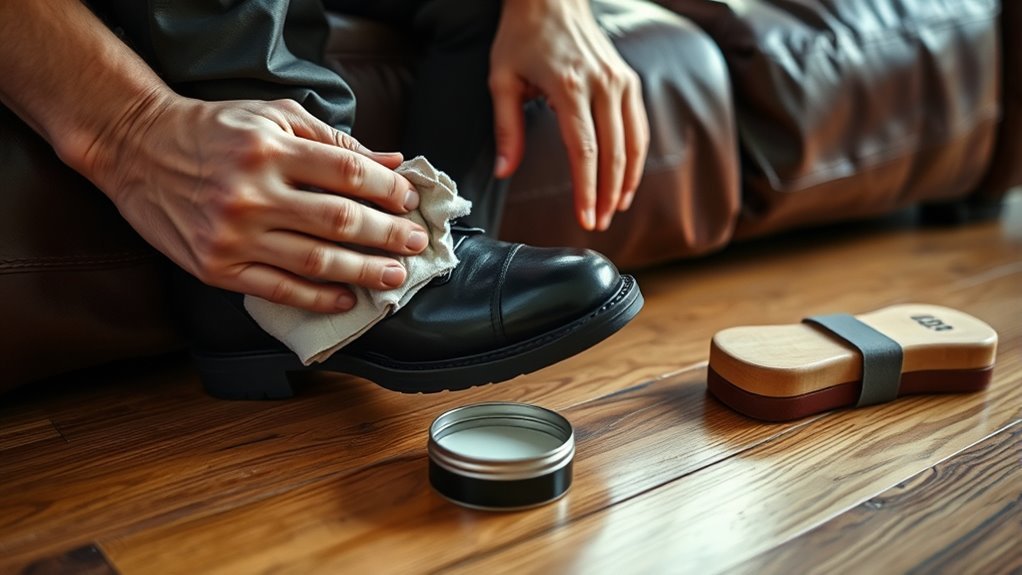
Before you start applying shoe polish to your leather couch, gather all necessary materials and prepare the surface properly. Clean the couch with a damp cloth and let it dry completely.
Use a soft cloth or applicator for smooth application. Follow these steps carefully:
| Step | Action | Tip |
|---|---|---|
| 1 | Test polish on hidden spot | Check for color change |
| 2 | Apply small polish amount | Use circular motions |
| 3 | Let polish set | Wait 10-15 minutes |
| 4 | Buff gently | Use a clean, dry cloth |
| 5 | Inspect and repeat if needed | Avoid overdoing application |
This method ensures your couch looks refreshed without harm.
Tips for Even Application and Avoiding Streaks
To achieve an even finish and prevent streaks when applying shoe polish to your leather couch, you’ll want to use consistent pressure and smooth, overlapping strokes. Start by applying a small amount of polish and work in manageable sections to avoid uneven coverage.
Use a soft cloth or applicator to gently buff the area as you go.
Keep these tips in mind:
- Move in circular motions, blending polish seamlessly into the leather.
- Avoid pressing too hard, which can cause streaks or uneven color.
- Wipe off any excess polish immediately with a clean microfiber cloth to prevent buildup.
How to Maintain Your Leather Couch After Polishing
Once you’ve applied shoe polish evenly and removed any excess, maintaining your leather couch becomes key to preserving its look and durability. Regularly dust your couch with a soft cloth to prevent dirt buildup, which can dull the polished surface.
Avoid placing the couch in direct sunlight or near heat sources, as this can dry out the leather and cause cracking. Use a damp cloth to gently clean spills immediately, then dry the area with a soft towel.
Every few months, reapply a thin layer of shoe polish to keep the leather nourished and protected.
Finally, avoid harsh chemicals or abrasive tools that can damage the finish. By following these steps, you’ll keep your leather couch looking fresh and polished for years.
Alternative Products for Leather Care and Restoration
Although shoe polish can enhance and protect your leather couch, you might want to explore alternative products designed specifically for leather care and restoration. These products often provide better nourishment and protection without the risk of discoloration or damage that shoe polish might cause.
You can choose from various options tailored to different needs and leather types. For instance, leather conditioners replenish moisture, preventing cracks and stiffness. Leather cleaners gently remove dirt, keeping the surface fresh. And leather repair kits help fix scratches and minor tears, restoring your couch’s appearance.
- A rich, creamy leather conditioner that absorbs quickly
- A pH-balanced leather cleaner with a soft microfiber cloth
- A repair kit containing filler, colorant, and finish for touch-ups
Using the right product ensures your couch stays beautiful longer.
Frequently Asked Questions
Can Shoe Polish Change the Color of My Leather Couch Permanently?
Yes, shoe polish can permanently change your leather couch’s color. Since it’s designed for shoes, it may stain or darken leather unevenly.
Always test a small, hidden area first to avoid unwanted results.
Is Shoe Polish Safe for All Leather Finishes on Couches?
You might worry shoe polish isn’t safe for all leather finishes, but it’s not—some finishes can react poorly. Always test a small, hidden area first to prevent damage and verify it suits your couch’s specific leather type.
How Often Should I Apply Shoe Polish to a Leather Couch?
You should apply shoe polish to your leather couch every 3 to 6 months, depending on its use and exposure.
Too often can damage the leather, so stick to a moderate schedule for best results.
Can Shoe Polish Cause Allergic Reactions or Irritate Skin?
You might be surprised—yes, shoe polish can cause allergic reactions or irritate your skin.
If you’re sensitive, it’s best to wear gloves and test a small area first to avoid any uncomfortable surprises or rashes.
What Should I Do if Shoe Polish Stains My Fabric Upholstery?
If shoe polish stains your fabric upholstery, act fast. Blot gently with a clean cloth, avoid rubbing, then apply a mild detergent solution.
Test on a hidden spot first, and consider professional cleaning if the stain persists.
Conclusion
By gently applying shoe polish, you can bring back that rich, inviting glow to your leather couch, like the warm embrace of a familiar hug. Imagine sinking into its soft, revitalized surface, feeling the smoothness under your fingertips.
With care and patience, your couch won’t just look renewed—it’ll tell a story of comfort and timeless beauty, welcoming you home every day.
Keep it polished, keep it loved. Remember, using shoe polish safely on your leather couch can enhance its appearance and extend its life, making it a cherished centerpiece in your living space.