How to Use Products to Clean Leather Seats for Best Results
To clean leather seats effectively and maintain their luxurious appearance, start by choosing a cleaner suited to your leather type, avoiding harsh household products. Proper leather seat cleaning products ensure you don’t damage the material while removing dirt and stains.
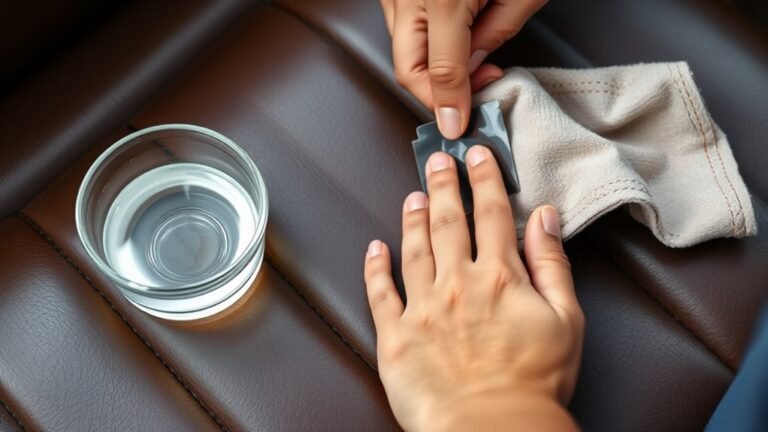
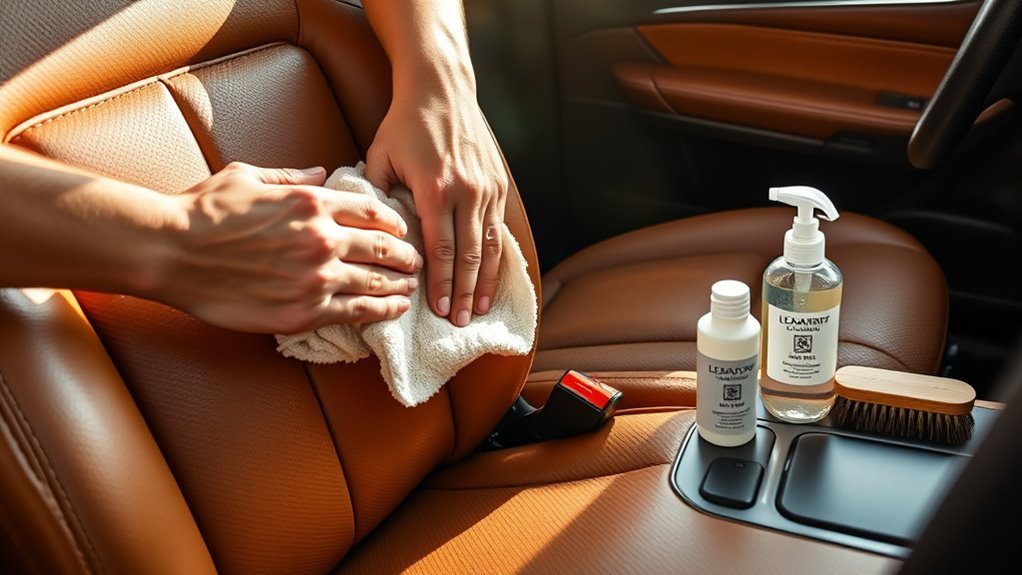
Begin by vacuuming and gently wiping the seats to remove surface dirt and debris. Then, apply a mild, pH-balanced leather cleaner with a soft cloth using circular motions to lift grime without harming the leather.
Afterward, wipe off any residue with a damp cloth and allow the seats to dry naturally. Finish the process by applying a conditioner to keep the leather soft, supple, and protected from cracking.
Mastering these steps with the right products will help you prolong your seats’ look and feel, preserving their quality and comfort for years to come.
Understanding Different Types of Leather

Before you start cleaning, it’s important to understand the different types of leather. You’ll usually encounter two main kinds: aniline and semi-aniline.
Aniline leather is soft and natural, dyed with soluble dyes that don’t cover the surface, so it’s more prone to stains and requires gentle care.
Aniline leather’s delicate dyeing process results in a soft, natural feel but demands careful, gentle cleaning.
Semi-aniline leather has a thin protective coating, making it more durable and easier to clean but still breathable.
Some seats use corrected grain leather, which has an artificial surface layer to hide imperfections, making it tougher but less natural in feel.
Knowing which leather you have helps you avoid damage.
Selecting the Right Leather Cleaner

When choosing a leather cleaner, you need to match it carefully to your seat’s leather type to avoid damage. For smooth leather, pick a mild, pH-balanced cleaner designed specifically for automotive leather. Avoid harsh chemicals or abrasive ingredients that can strip natural oils.
If your seats are made of aniline or semi-aniline leather, opt for a gentle, water-based cleaner to preserve the leather’s softness and color.
Always check the product label for compatibility and read reviews to ensure effectiveness. Avoid household cleaners like bleach or ammonia, which can cause discoloration or cracking.
Selecting the right cleaner not only protects your leather but also extends its lifespan, keeping your seats looking fresh and well-maintained.
Preparing Your Leather Seats for Cleaning

Since dirt and oils can settle deep into the leather’s pores, you’ll need to clear the surface thoroughly before applying any cleaner. Start by vacuuming your seats using a soft brush attachment to remove loose dust and debris without scratching the leather. Pay close attention to seams and crevices where dirt tends to accumulate.
Next, use a slightly damp microfiber cloth to gently wipe down the seats, removing surface grime and preparing the leather for cleaning products. Avoid soaking the leather, as excess moisture can damage it.
Make sure your workspace is well-ventilated and free from direct sunlight, which can cause fading or drying during cleaning. Taking these steps will ensure your leather seats are properly prepped and ready for the next cleaning phase.
Step-by-Step Cleaning Process
After prepping your leather seats, you can start the cleaning process by applying a suitable leather cleaner with a soft cloth or sponge. Work the cleaner gently into the leather using circular motions, ensuring you cover the entire surface evenly.
Pay close attention to seams and crevices where dirt often hides. Avoid soaking the leather; use just enough product to lift grime without saturating the material.
Once cleaned, use a clean, damp cloth to wipe away any residue left by the cleaner.
Allow the seats to air dry naturally, avoiding direct sunlight or heat sources that could damage the leather.
This method helps maintain your leather’s appearance and prolongs its lifespan, setting the stage for effective conditioning later on.
Using Leather Conditioner Effectively
Although cleaning removes dirt and grime, applying a leather conditioner is essential to restore moisture and keep your seats soft and supple. To use it effectively, follow these steps:
Apply a small amount on a soft cloth to avoid over-saturating the leather. Gently rub the conditioner in circular motions, covering all surfaces evenly.
Allow it to absorb for 10-15 minutes, penetrating deep into the leather fibers.
Buff the seats with a clean, dry cloth to remove excess and enhance shine.
Repeat conditioning every 3-6 months to maintain flexibility and prevent cracking.
Dealing With Tough Stains on Leather
When you encounter tough stains on your leather seats, acting quickly can make all the difference in removing them effectively. First, gently blot the stain with a clean, dry cloth to absorb excess liquid without rubbing it deeper.
Quick action and gentle blotting with a dry cloth are key to effectively removing tough leather seat stains.
Next, apply a leather cleaner designed for stubborn stains, following the product’s instructions closely. Use a soft brush or cloth to work the cleaner into the stain, then wipe away any residue with a damp cloth.
Avoid harsh chemicals or excessive water, as they can damage the leather. For ink or dye stains, use a specialized leather ink remover sparingly.
If the stain persists, consider consulting a professional to prevent permanent damage.
Prompt care keeps your leather looking fresh and extends its lifespan.
Tips for Maintaining Leather Between Cleanings
To keep your leather seats looking their best between deep cleanings, you’ll want to establish simple daily habits that protect and nourish the material. Regular care prevents dirt buildup and keeps leather supple.
Here are five effective tips to maintain your leather seats:
- Wipe down seats with a soft, dry microfiber cloth to remove dust.
- Use a slightly damp cloth for light spills immediately to avoid stains.
- Apply a leather conditioner every few weeks to keep the leather moisturized.
- Avoid direct sunlight for extended periods to prevent fading and cracking.
- Keep sharp objects away to prevent scratches and punctures.
Common Mistakes to Avoid When Cleaning Leather Seats
Because leather is a delicate material, you need to handle it with care during cleaning to avoid damage. Avoid using harsh chemicals or household cleaners; they can dry out or discolor the leather.
Don’t scrub aggressively; a gentle touch preserves the surface. Never soak the leather with water or cleaning solutions, as excess moisture can cause stains or warping.
Avoid cleaning leather seats under direct sunlight or extreme heat, which can speed up fading and cracking. Don’t skip testing products on a hidden area to check for adverse reactions.
Ultimately, never neglect conditioning after cleaning; it keeps the leather supple and prevents brittleness.
Frequently Asked Questions
Can Leather Seat Covers Be Cleaned Using the Same Products as Genuine Leather?
You shouldn’t use the same products on leather seat covers as genuine leather since covers often have different materials.
Instead, check the care label and use cleaners made specifically for synthetic or faux leather to avoid damage.
How Often Should Leather Seats Be Professionally Cleaned?
You might think professional cleaning is only yearly, but ideally, you should get your leather seats professionally cleaned every 6 to 12 months to maintain their appearance and durability.
Don’t wait until stains set in!
Are Natural or Homemade Cleaners Safe for Leather Seats?
You can use natural or homemade cleaners, but be cautious—they might damage leather if too harsh. Always test a small area first, dilute ingredients properly, and avoid vinegar or lemon, which can dry out leather surfaces.
What Should I Do if My Leather Seats Get Scratched?
When life gives you scratched leather, don’t fret! Gently clean the area, apply a leather conditioner, and use a repair kit for deeper scratches.
With care, you’ll have your seats looking shipshape in no time!
Can Exposure to Sunlight Damage Leather Seat Cleaning Products?
Yes, sunlight can damage leather seat cleaning products by breaking down their ingredients and reducing effectiveness.
You should store them in a cool, shaded place to keep them working well and protect your leather seats properly.
Conclusion
Picture your leather seats glowing with that rich, supple finish, inviting you to sink in comfortably. By choosing the right cleaner, prepping properly, and conditioning regularly, you’ll keep that luxurious feel alive.
Remember, gentle care and timely maintenance protect your investment from cracks and stains. Avoid harsh chemicals and scrubbing too hard—your leather deserves kindness.
With these simple steps, your seats will stay stunning, soft, and ready for every ride ahead. Using the best products to clean leather seats ensures long-lasting beauty and durability.