The Best Way to Clean a Leather Sofa Explained
To clean your leather sofa effectively, start by identifying its type—aniline, semi-aniline, or pigmented leather—to ensure proper care. Using the right cleaning method is essential for maintaining the beauty and longevity of your leather sofa.
Use a soft microfiber cloth and a mild soap mixed with water to gently wipe the surface in circular motions. After cleaning, dry the sofa thoroughly to prevent any moisture damage.
Apply a leather conditioner regularly to keep the leather soft and prevent cracking. Be sure to remove pet hair carefully and avoid using harsh chemicals that can damage the leather.
Regular cleaning every few months helps maintain your sofa’s look and durability. Keep going to discover detailed tips and tricks for lasting leather sofa care.
Understanding Different Types of Leather Sofas

Before you start cleaning, it’s important to understand the type of leather your sofa is made from because different leathers require different care methods. You’ll usually find three main types: aniline, semi-aniline, and pigmented leather.
Aniline leather is soft and natural-looking but also more delicate, so it needs gentle cleaning. Semi-aniline adds a light protective coating, making it slightly more durable and easier to maintain. Pigmented leather has a thick coating, which makes it the toughest and simplest to clean.
Knowing your sofa’s leather type helps you avoid damage and ensures you choose the right cleaning approach. Check the manufacturer’s label or test a hidden spot if you’re unsure. This step safeguards you from costly mistakes down the line.
Essential Tools and Materials for Cleaning

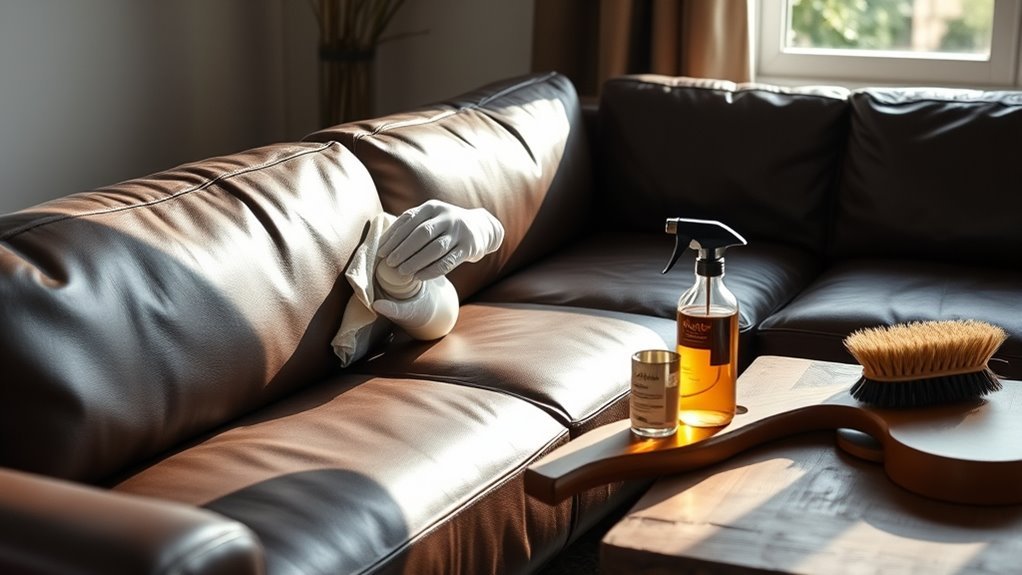
When you clean your leather sofa, having the right tools and materials makes the process much easier and protects your furniture. Start with a soft microfiber cloth to avoid scratching the leather.
You’ll also need a gentle leather cleaner or a mild soap diluted in water. Avoid harsh chemicals that can damage the surface. A small bowl or spray bottle helps apply cleaning solutions evenly. Keep a dry, clean towel on hand to wipe away excess moisture.
For conditioning after cleaning, use a leather conditioner suited to your sofa’s leather type to maintain suppleness.
Ultimately, a soft-bristled brush can help lift dirt from crevices without harming the leather.
With these essentials ready, you’ll clean your sofa safely and effectively.
How to Prepare Your Leather Sofa Before Cleaning

Gathering the right tools sets you up for success, but getting your leather sofa ready is just as important. Before cleaning, you want to ensure the surface is free from debris and that the leather won’t be damaged during the process.
Start by:
Removing cushions and pillows to access all areas.
Vacuuming the sofa gently with a brush attachment to lift dust and dirt.
Wiping the surface with a dry microfiber cloth to catch finer particles.
Checking for any scratches or damage that might need special care.
Testing a small, hidden area with your cleaning solution to ensure no discoloration.
Taking these steps helps protect your sofa and makes the cleaning more effective, ensuring your leather stays in great shape.
Step-By-Step Guide to Cleaning With Mild Soap
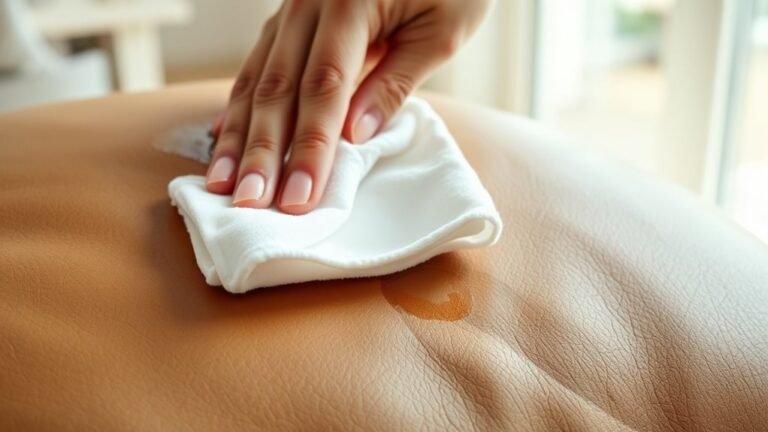
Although leather requires gentle care, you can still clean it effectively using mild soap. Start by mixing a few drops of mild, moisturizing soap with warm water in a bowl. Dip a soft cloth into the solution, wring it out thoroughly to avoid soaking the leather, and gently wipe the sofa’s surface.
Focus on one section at a time, using light, circular motions to lift dirt without damaging the leather.
After cleaning, take a separate clean, damp cloth to wipe away any soap residue.
Finally, dry the area with a soft towel, ensuring no moisture remains. Avoid harsh chemicals or excessive water to keep your leather sofa looking its best and prolong its lifespan.
Using Leather Conditioner to Maintain Softness
Since cleaning alone can’t prevent your leather sofa from drying out, using a leather conditioner is essential to maintain its softness and flexibility. Applying conditioner nourishes the leather, preventing cracks and keeping it supple.
Here’s how to do it right:
Test the conditioner on a hidden spot first to check for color changes. Use a soft cloth to apply a thin, even layer. Let the conditioner absorb for at least 15 minutes. Buff gently with a clean cloth to remove any excess product.
Repeat conditioning every 6 to 12 months depending on your climate and sofa use.
Removing Stains Without Damaging Leather
Keeping your leather sofa soft with conditioner helps prevent damage, but stains can still happen. When you spot a stain, act quickly. Blot it gently with a clean, dry cloth. Never rub, as that can spread the stain or scratch the leather.
For tougher spots, use a damp cloth with a mild soap solution, but test it first on an inconspicuous area. Avoid harsh chemicals or abrasive tools; they’ll wear down the leather’s finish.
After cleaning, dry the area with a soft towel, then apply a leather conditioner to restore moisture.
Tips for Dealing With Pet Hair and Odors
When pets share your leather sofa, hair and odors can quickly become a challenge. You’ll want to tackle these issues regularly to keep your sofa fresh and clean.
Start by using a soft brush or a microfiber cloth to gently lift pet hair without scratching the leather.
Begin with a soft brush or microfiber cloth to gently remove pet hair without damaging your leather sofa.
A vacuum with a brush attachment also works well for quick hair removal.
To combat odors, sprinkle baking soda on the sofa, let it sit for 15 minutes, then vacuum it up.
Use a leather-safe deodorizer or a mix of water and white vinegar in a spray bottle to lightly mist the surface, avoiding saturation.
Avoiding Common Mistakes When Cleaning Leather
Managing pet hair and odors on your leather sofa helps maintain its appearance, but cleaning leather requires careful handling to avoid damage. First, don’t use harsh chemicals or household cleaners not designed for leather. They can strip oils and cause cracks.
Avoid soaking the leather; too much water leads to stains and warping. Never scrub aggressively; gentle wiping with a soft cloth preserves the finish. Also, steer clear of abrasive tools like brushes with stiff bristles.
Test any cleaner on a hidden spot before full application to ensure it won’t discolor the leather.
In conclusion, avoid skipping a conditioner after cleaning, as it replenishes moisture and keeps the leather supple.
Following these tips helps you protect your sofa and extend its life.
How Often Should You Clean and Condition Leather Sofas?
Regularly cleaning and conditioning your leather sofa is key to preserving its look and durability. You don’t want dirt buildup or drying out to damage the leather.
Consistent cleaning and conditioning protect your leather sofa from dirt buildup and drying, keeping it looking great longer.
Generally, clean your sofa every 3 to 6 months, and condition it every 6 to 12 months. However, frequency depends on factors like usage and environment:
Clean more often if you have pets or kids. Condition more frequently in dry or heated rooms. Wipe spills immediately to avoid stains. Vacuum weekly to remove dust and debris.
Use a soft cloth and recommended products for both cleaning and conditioning.
When to Call a Professional for Leather Sofa Care
Keeping up with routine cleaning and conditioning can handle most leather sofa care, but some issues go beyond DIY fixes. When you notice deep scratches, persistent stains, or cracking leather, it’s time to call a professional.
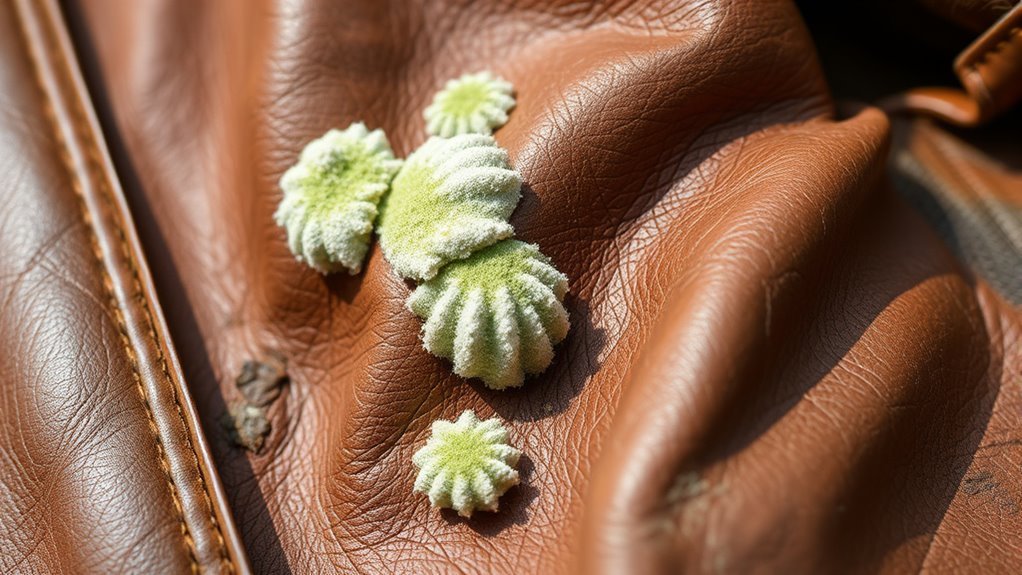
Also, if your sofa has mold, water damage, or needs restoration, experts have the right tools and products to safely treat it.
| Issue | When to Call a Pro |
|---|---|
| Deep scratches | Can’t fix with home kits |
| Persistent stains | Won’t come out after cleaning |
| Cracking leather | Signs of severe drying or damage |
| Mold or mildew | Visible growth or musty odors |
| Water damage | Stains or warping after spills |
Trusting a professional protects your investment and prolongs your sofa’s life.
Frequently Asked Questions
Can Leather Sofas Be Cleaned With Household Vinegar?
You shouldn’t use household vinegar to clean leather sofas because it’s too acidic and can damage the finish.
Instead, use a leather cleaner or a mild soap solution to keep your sofa safe and looking great.
Is It Safe to Use a Steam Cleaner on Leather Sofas?
You shouldn’t use a steam cleaner on leather sofas because the heat and moisture can damage the leather, causing it to crack or discolor.
Instead, stick to gentle cleaning methods designed specifically for leather care.
How Do Temperature and Humidity Affect Leather Sofa Care?
Did you know leather can lose up to 20% moisture in dry conditions? You should keep temperature moderate and humidity balanced to prevent cracking or mold, ensuring your leather sofa stays soft and lasts longer.
Can Essential Oils Be Used to Scent Leather Sofas?
You can use essential oils to scent leather sofas, but you should dilute them first and test a small hidden area to avoid damage.
Avoid oils with alcohol or harsh chemicals that can dry out or stain the leather.
What Are the Best Storage Conditions for Unused Leather Sofas?
Think of your leather sofa as a delicate treasure; store it in a cool, dry place away from direct sunlight and humidity. Keep it covered with a breathable cloth to prevent dust while letting the leather breathe.
Conclusion
Now that you know how to clean and care for your leather sofa, why settle for anything less than spotless and soft? By using mild soap, conditioning regularly, and avoiding common mistakes, you’ll keep your sofa looking great for years.
Don’t forget to prep properly and tackle pet hair and odors promptly. With these simple steps, your leather sofa will stay beautiful and comfortable—ready for any guest who walks through your door.
Remember, the best way to clean a leather sofa involves gentle cleaning, regular conditioning, and proper maintenance to preserve its appearance and durability. Following these tips ensures your leather sofa remains a stylish and inviting centerpiece in your home.