
How You Can Use the Best Products and Techniques to Clean Leather Furniture
To clean your leather furniture effectively and maintain its luxurious look, start by identifying the type of leather. This step is crucial to selecting the right products and techniques for cleaning and conditioning. Using a soft microfiber cloth alongside a pH-balanced leather cleaner helps gently remove dirt without drying out the material.
Avoid soaking the leather, which can cause damage, and always test cleaning products on a hidden spot first to check for any adverse reactions. After cleaning, it’s important to apply a leather conditioner every 6–12 months to keep the leather soft and supple.
Treat stains carefully by using appropriate methods and steer clear of harsh chemicals that can harm the leather. This approach will protect your investment and extend the life of your furniture. Keep exploring to uncover more expert tips for lasting leather care.
Understanding Different Types of Leather

When you’re cleaning leather furniture, knowing the type of leather you’re dealing with makes a big difference. You’ll find that top-grain leather, full-grain leather, and bonded leather all require different care.
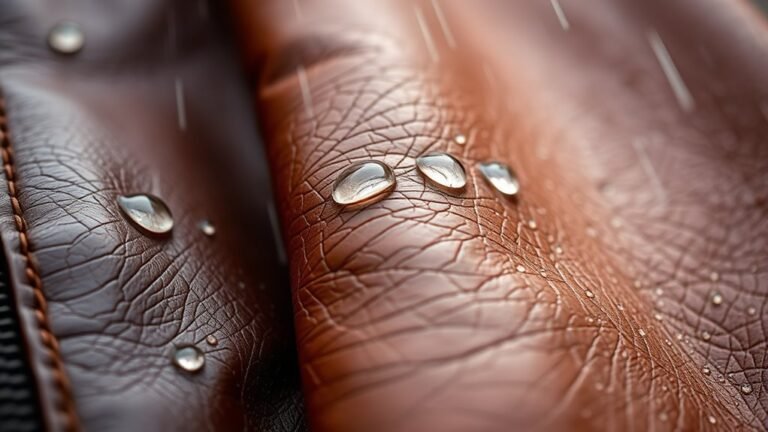
Full-grain leather is the most durable and develops a beautiful patina, so you’ll want to use gentle cleaning methods to preserve its natural texture.
Top-grain leather has a protective finish, making it a bit easier to clean but still needing proper conditioning.
Bonded leather, made from leftover scraps, is less durable and prone to cracking, so you should treat it carefully and avoid harsh chemicals.
Identifying your leather type helps you choose the right approach, preventing damage and keeping your furniture looking its best for years to come.
Essential Tools and Supplies for Cleaning Leather

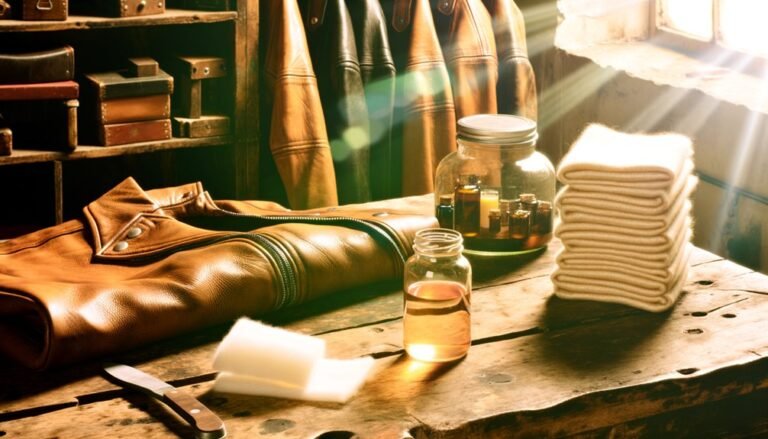
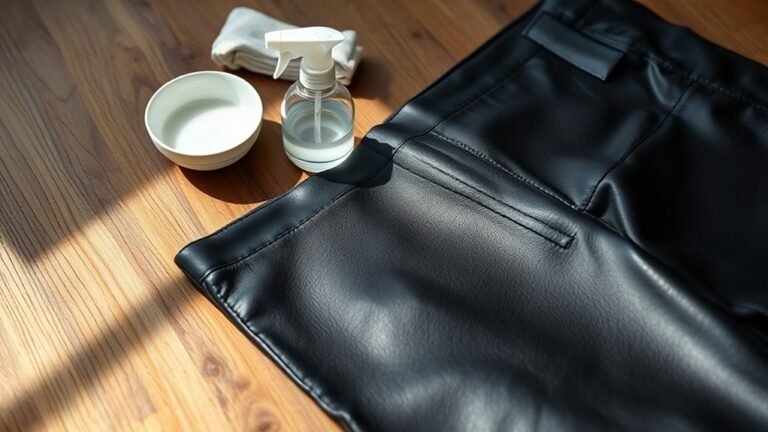
Although cleaning leather might seem straightforward, having the right tools and supplies makes all the difference in protecting your furniture’s finish. Using improper products or rough cloths can cause damage or discoloration. To keep your leather looking its best, gather these essentials before you start.
| Tool/Supply | Purpose |
|---|---|
| Soft microfiber cloth | Gently removes dust and dirt |
| pH-balanced leather cleaner | Safely cleans without drying leather |
| Leather conditioner | Restores moisture and suppleness |
| Soft-bristled brush | Cleans crevices and textured areas |
With these basics on hand, you’ll clean effectively while preserving the natural beauty and durability of your leather furniture.
Preparing Your Leather Furniture for Cleaning

Before you start cleaning, take a few steps to prepare your leather furniture properly. First, remove any cushions, throws, or accessories to expose all surfaces.
Begin by removing cushions and accessories to fully expose your leather furniture before cleaning.
Use a soft brush or vacuum with a brush attachment to gently clear dust and dirt from crevices and seams.
Check for any stains, tears, or damage that may need special attention or professional care.
Test your cleaning products on a hidden area to verify they won’t discolor or harm the leather.
Avoid placing your furniture in direct sunlight or near heat sources before cleaning, as this can dry out the leather.
Finally, make sure the room is well-ventilated to help the leather dry evenly and prevent moisture buildup after cleaning.
These steps set the stage for effective and safe cleaning.
Using Mild Soap Solutions for Routine Cleaning
Since leather requires gentle care, using a mild soap solution is one of the safest ways to clean it regularly without causing damage. Mix a few drops of mild soap, like baby shampoo or gentle dish soap, with warm water.
Dampen a soft cloth with the solution, wring it out well, and wipe your leather furniture gently. Avoid soaking the leather, which can cause stains or warping.
After cleaning, use a dry cloth to remove any excess moisture.
| Step | Soap Type | Important Tip |
|---|---|---|
| Mix Solution | Mild dish soap | Use lukewarm water, not hot |
| Wipe Leather | Baby shampoo | Avoid scrubbing, use gentle strokes |
| Dry Surface | Gentle liquid soap | Pat dry immediately to prevent watermarks |
Applying Leather Conditioners to Maintain Softness
How often do you think about keeping your leather furniture soft and supple? Applying leather conditioner regularly is key to maintaining that luxurious feel.
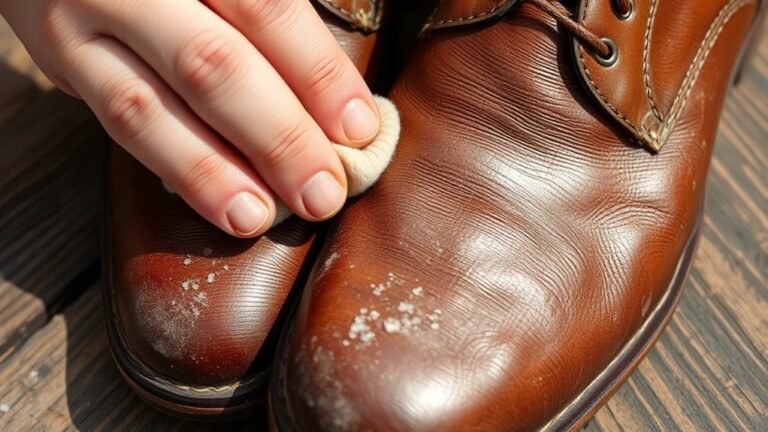
After cleaning, use a soft cloth to apply a thin, even layer of conditioner, working it gently into the leather’s surface. This nourishes the material, preventing cracks and dryness caused by everyday wear and environmental factors.
Be sure to choose a conditioner suited for your leather type to avoid damage. Let it absorb fully before sitting on or using the furniture again.
Aim to condition your leather every 6 to 12 months, depending on usage and climate.
Treating Stains and Spills Effectively
When stains or spills happen, acting quickly can prevent permanent damage to your leather furniture. First, gently blot the area with a clean, dry cloth. Never rub, as that can spread the stain.
Next, use a damp cloth with a mild soap solution designed for leather, applying it softly to lift the stain. Avoid harsh chemicals or excessive water.
For stubborn spots, try a leather cleaner recommended by the manufacturer. After cleaning, wipe the area with a dry cloth to remove moisture.
Let the leather air dry naturally, away from heat sources.
Finally, once dry, apply a leather conditioner to restore moisture and flexibility.
Avoiding Common Mistakes When Cleaning Leather
Although leather is durable, cleaning it incorrectly can cause damage that’s hard to fix. You should avoid using harsh chemicals or household cleaners not designed for leather, as they can strip its natural oils and cause cracking.
Don’t soak your leather furniture with too much water; excess moisture can lead to stains and mildew. Avoid scrubbing aggressively. This can scratch the surface or remove the finish. Always test any cleaner on a hidden area first to ensure it won’t discolor the leather.
Finally, don’t skip conditioning after cleaning; it helps maintain softness and prevents drying out. By steering clear of these common mistakes, you’ll keep your leather furniture looking great and extend its lifespan.
Tips for Long-Term Leather Furniture Care
To keep your leather furniture looking its best over time, you need to establish a regular care routine that includes cleaning, conditioning, and protecting it from environmental damage. Consistency is key, so make sure you stick to a schedule and use appropriate products.
Maintaining leather furniture requires regular cleaning, conditioning, and protection to preserve its beauty and durability.
Here are three essential tips to help you maintain your leather furniture long-term:
- Clean gently and regularly: Use a soft cloth and a mild leather cleaner to remove dust and dirt without damaging the surface. Avoid harsh chemicals.
- Condition frequently: Apply a high-quality leather conditioner every 6 to 12 months to keep the leather supple and prevent cracking.
- Protect from sun and heat: Position furniture away from direct sunlight and heat sources to prevent fading and drying out.
Following these steps will keep your leather furniture durable and attractive for years.
Frequently Asked Questions
Can Leather Furniture Be Cleaned With Household Vinegar?
You shouldn’t clean leather furniture with household vinegar because it can dry out and damage the leather.
Instead, use a cleaner specifically designed for leather to keep it soft and looking great without causing harm.
How Often Should Leather Furniture Be Professionally Cleaned?
You might be surprised, but you should have your leather furniture professionally cleaned every 12 to 18 months. This keeps it looking fresh and prevents damage, so don’t wait too long to schedule that cleaning!
Is It Safe to Use Leather Cleaning Products on Synthetic Leather?
It’s generally not safe to use leather cleaning products on synthetic leather because they can contain harsh chemicals that damage the material.
You should always check the label and test a small area first to avoid ruining it.
What Should I Do if My Leather Furniture Has Mold?
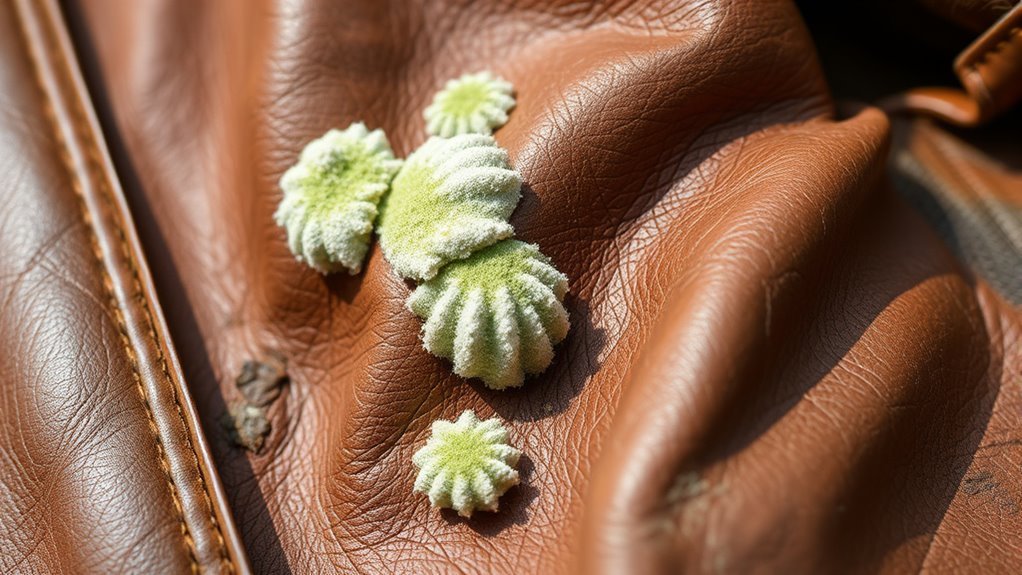
When life gives you lemons, grab a mixture of equal parts water and rubbing alcohol to gently wipe the mold off your leather. Don’t soak it; dry it quickly and keep the area well-ventilated to prevent return.
Can Leather Furniture Be Restored After Severe Cracking?
Yes, you can restore leather furniture after severe cracking by cleaning it thoroughly, applying a leather conditioner, using a leather repair kit, and sometimes consulting a professional for deep restoration to bring back its look and feel.
Start by cleaning the leather to remove dirt and oils that may have accumulated. Next, apply a good-quality leather conditioner to help rehydrate and soften the leather.
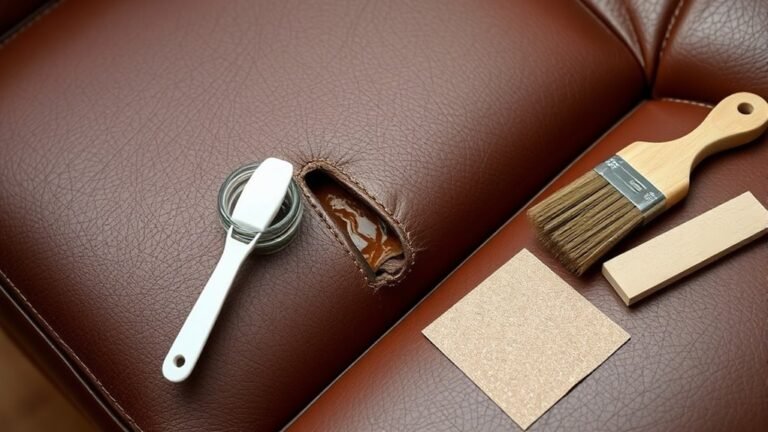
If the cracks are deep, use a leather repair kit to fill in the damaged areas. For extensive damage, consider consulting a professional who can perform a deeper restoration to revive the furniture’s appearance and texture.
Conclusion
Now that you know the best products and techniques to clean your leather furniture, you might think the job’s done—but wait. There’s one essential step many overlook that can make all the difference in keeping your leather looking flawless for years.
Ready to discover the secret to truly lasting care? Stay tuned, because with just a little extra attention, your leather will not only shine but also tell a story of timeless elegance.
Using the right leather cleaning products and following proper cleaning techniques ensures your furniture remains soft, supple, and damage-free. Incorporate these steps into your routine to enjoy beautiful, well-maintained leather furniture for years to come.