How to Use the Best Products to Clean My Leather Car Seats
To clean your leather car seats effectively, choose the best products designed specifically for automotive leather care, such as pH-balanced cleaners. Always test the cleaner on a small, inconspicuous spot first to ensure it won’t damage the leather.
Start by vacuuming and wiping the seats to remove dust and debris. Apply the cleaner to a soft cloth instead of spraying directly onto the seats. Use gentle circular motions when cleaning, and then wipe off any residue with a damp cloth.
After cleaning, follow up with a leather conditioner to keep your seats soft, supple, and protected from cracking. Keep these basics in mind, and you’ll discover even more helpful tips to maintain your leather car seats looking great.
Selecting the Right Leather Cleaner for Your Car Seats

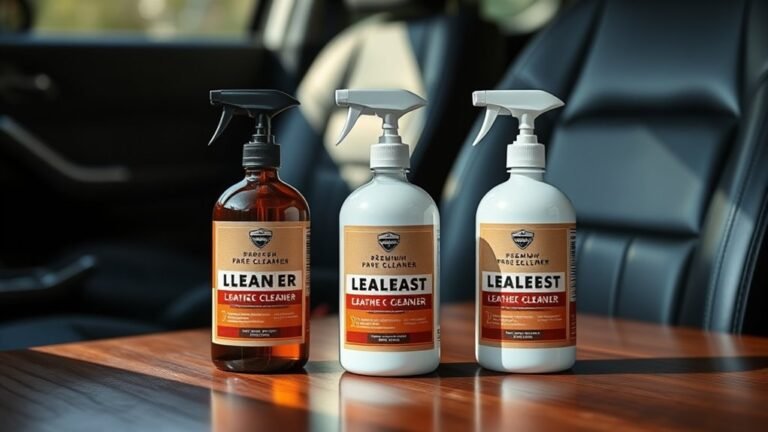
Before you start cleaning, you’ll want to choose a leather cleaner that’s specifically designed for automotive seats. These cleaners are formulated to be gentle yet effective, protecting the leather’s finish while removing dirt and oils.
Choose a leather cleaner made for automotive seats to gently protect and effectively clean your leather.
Avoid household cleaners or harsh chemicals, as they can damage or discolor your seats. Look for pH-balanced products labeled safe for automotive leather. If you’re unsure, test the cleaner on a small, hidden area first.
Consider whether your seats are aniline, semi-aniline, or protected leather, as some cleaners cater to specific types.
Also, select a cleaner that matches your preferred application method—spray, foam, or wipes. Picking the right product guarantees your seats stay supple and looking great longer.
Preparing Your Leather Seats for Cleaning

Once you’ve picked the right leather cleaner, get your seats ready for cleaning by removing any loose dirt, dust, or debris. This prep step guarantees the cleaner works effectively without grinding particles into the leather. Follow these simple steps:
1. Vacuum Thoroughly
Use a soft brush attachment to vacuum the seats, focusing on seams and crevices where dirt hides.
2. Wipe Down with a Dry Cloth
Gently wipe the surface to lift any remaining dust or particles.
3. Spot Check for Stains
Identify any stubborn spots or stains that may need extra attention during cleaning.
Step-by-Step Guide to Applying Leather Cleaner

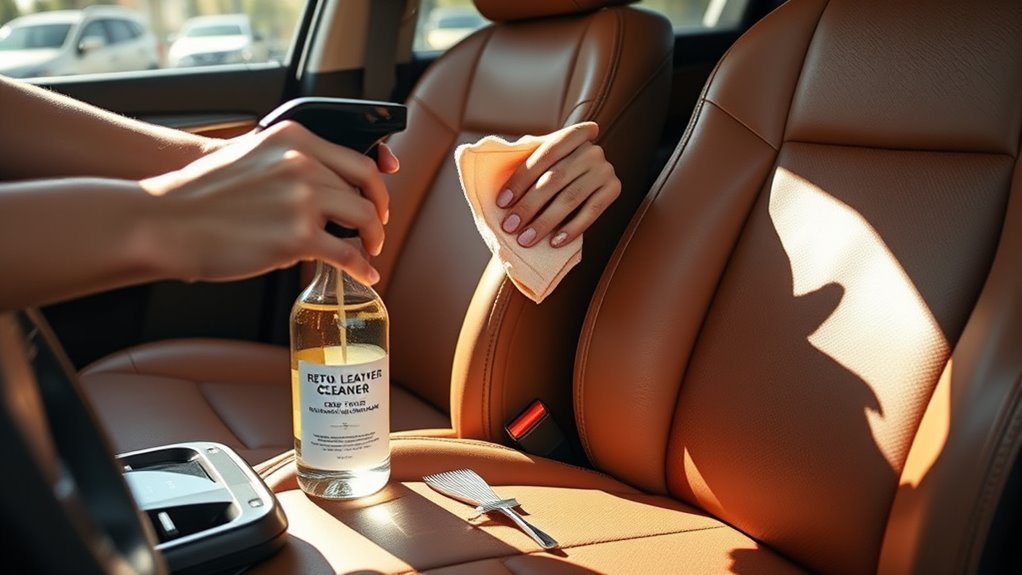
As you start cleaning, apply the leather cleaner evenly to a soft cloth rather than directly onto the seat to prevent oversaturation. Gently wipe the cloth over the leather in small, circular motions, focusing on one section at a time.
This method helps lift dirt without damaging the surface. Avoid scrubbing too hard, which can wear out the leather.
Once you’ve covered the entire seat, let the cleaner sit for a few minutes to break down grime.
Then, use a clean, damp cloth to wipe away any residue.
Finally, dry the leather thoroughly with a dry microfiber cloth to prevent moisture from seeping in.
Repeat on all seats, ensuring even coverage for a fresh, clean finish.
Choosing the Best Leather Conditioner
After thoroughly cleaning your leather seats, you’ll want to protect and nourish the material to keep it soft and prevent cracking. Choosing the best leather conditioner is essential for maintaining your car’s interior. Here’s how to pick the right one:
Protect and nourish your leather seats after cleaning to keep them soft and crack-free.
- Check Ingredients: Opt for conditioners with natural oils like mink or jojoba, which deeply moisturize without damaging leather.
- Avoid Silicone and Petroleum: These can clog pores and cause buildup, reducing breathability and accelerating wear.
- Match Leather Type: Some conditioners work better on aniline or semi-aniline leather, so verify compatibility to avoid discoloration or residue.
How to Properly Condition Your Leather Seats
Although conditioning leather seats might seem straightforward, doing it correctly guarantees maximum protection and longevity. First, clean your seats thoroughly. Apply a small amount of conditioner to a microfiber cloth and rub it in circular motions.
Let it absorb for 10-15 minutes, then buff off any excess to avoid residue buildup.
| Step | Action |
|---|---|
| 1 | Clean seats with leather cleaner |
| 2 | Apply conditioner sparingly |
| 3 | Massage in circular motions |
| 4 | Wait 10-15 minutes |
| 5 | Buff off excess with cloth |
Repeat conditioning every 3-6 months to keep leather supple and prevent cracking. Avoid over-conditioning, which can cause saturation and damage.
Tips for Removing Tough Stains From Leather
When you encounter tough stains on your leather seats, quick and careful action is key to preventing permanent damage. First, identify the stain type to choose the right cleaner. Next, test any product on a hidden area to avoid discoloration.
Then, follow these steps:
- Blot the stain gently with a soft cloth to absorb excess liquid. Never rub, as this spreads the stain.
- Apply a leather cleaner designed for your seat type, using a microfiber cloth in circular motions.
- Wipe off residue with a damp cloth and dry immediately to prevent moisture damage.
Common Mistakes to Avoid When Cleaning Leather Seats
Getting rid of tough stains is important, but knowing what not to do during cleaning can save your leather seats from damage. First, avoid using harsh chemicals or household cleaners like bleach or ammonia; they can strip the leather’s natural oils and cause cracking.
Don’t scrub aggressively. Gentle wiping with a soft cloth works best to prevent scratches.
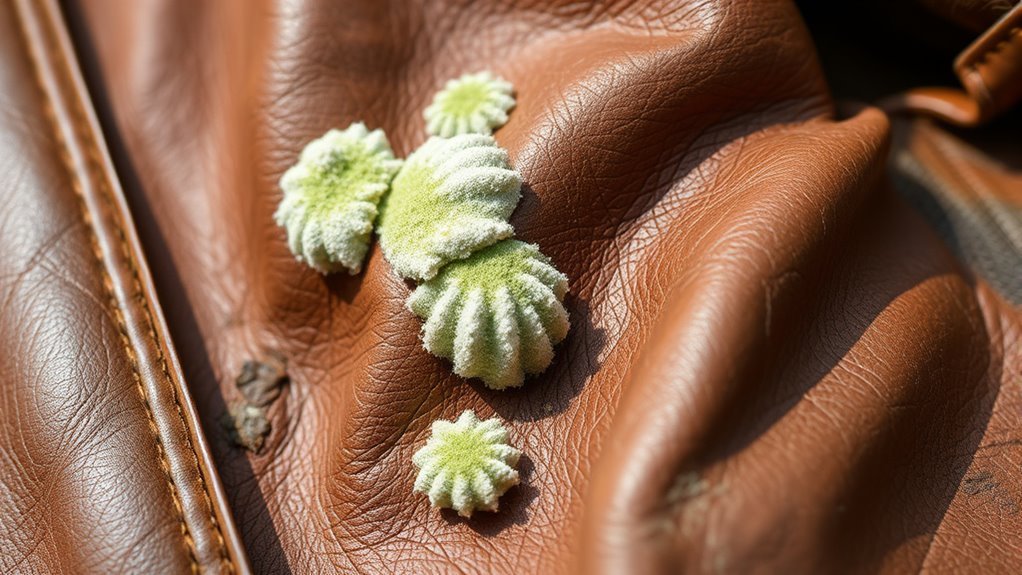
Never soak the leather with too much water, as excess moisture can lead to mold or warping.
Also, steer clear of direct sunlight or heat sources when drying your seats, since they can dry out the leather.
Finally, don’t skip testing any new cleaner on a hidden spot to ensure it won’t discolor or harm the material.
Following these tips keeps your leather looking great longer.
Maintaining Your Leather Seats Between Cleanings
To keep your leather seats looking fresh and supple, you should regularly dust and condition them between deep cleanings. This simple routine prevents dirt buildup and keeps the leather from drying out.
Here’s how you can maintain your seats effectively:
- Dust Weekly: Use a soft microfiber cloth to wipe away dust and debris. This prevents particles from embedding into the leather.
- Condition Monthly: Apply a high-quality leather conditioner to nourish and protect the material. This keeps the leather soft and prevents cracking.
- Avoid Direct Sunlight: Park in shaded areas or use sunshades to protect your seats from UV damage that can fade and dry out the leather.
Frequently Asked Questions
Can I Use Household Leather Cleaners on My Car Seats?
You can use household leather cleaners on your car seats, but be cautious. Some may contain harsh chemicals that damage automotive leather.
Always test a small area first and choose products specifically designed for car interiors when possible.
How Often Should I Deep Clean Leather Car Seats?
You should deep clean your leather car seats every 3 to 6 months. Studies show regular leather care can extend seat life by 50%, so keeping up helps maintain appearance and durability over time.
Are Natural Leather Oils Safe for Car Seats?
Yes, natural leather oils are generally safe for your car seats. They nourish and protect leather without harsh chemicals.
Just make sure to test a small area first to avoid any potential discoloration or damage.
Can Leather Cleaning Damage Heated Car Seats?
About 30% of heated leather seats get damaged by harsh cleaners. You shouldn’t worry if you use pH-balanced, gentle products—they won’t harm the heating elements.
Always test first and avoid excessive moisture to protect your seats.
What’s the Best Way to Protect Leather From Sun Damage?
You should regularly apply a high-quality leather conditioner with UV protection to shield your seats from sun damage.
Also, use sunshades or park in shaded areas to minimize direct sunlight exposure and keep your leather looking great longer.
Conclusion
Cleaning and caring for your leather car seats is like tending a precious garden—each step nourishes and protects, helping them bloom with lasting beauty. By choosing the right cleaner and conditioner, you’re not just wiping away dirt; you’re feeding the roots of durability and shine.
Avoid common pitfalls, and regularly maintain your seats, so they stay soft and vibrant. This consistent care ensures they remain ready to welcome every journey with the comfort and elegance they deserve.
Using the best products to clean your leather car seats is essential for preserving their appearance and extending their life. Proper cleaning and conditioning will keep your seats looking pristine and feeling luxurious for years to come.