How to Soften Leather: Easy Tips for Soft, Flexible Leather
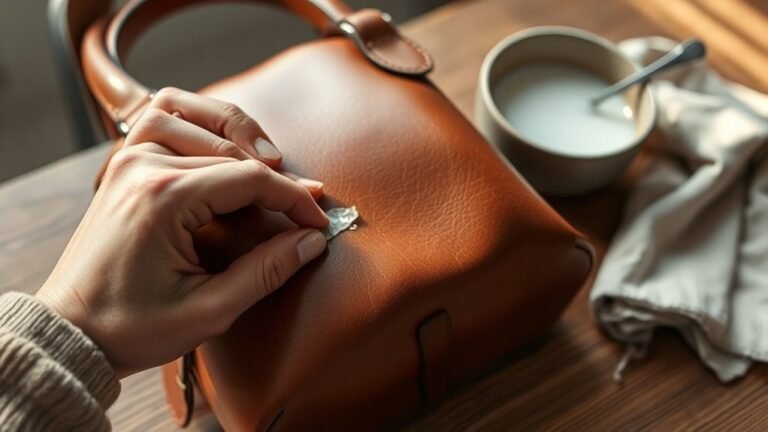
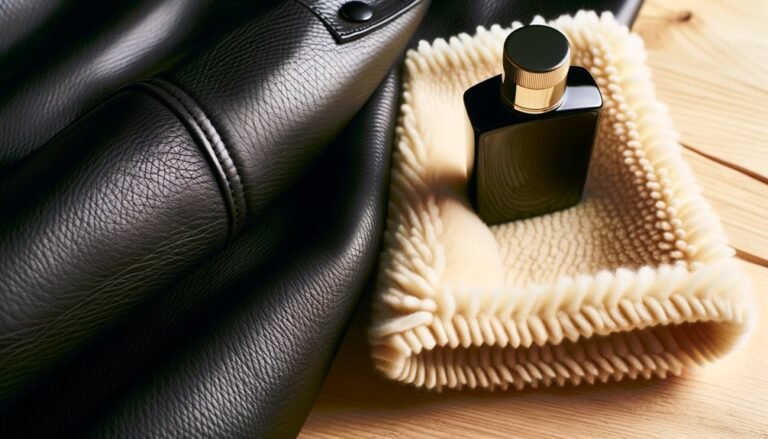
To soften leather effectively, start by gently applying natural oils like neatsfoot or coconut oil with a soft cloth. Use circular motions to help restore moisture and flexibility to the leather. This method is a natural way to bring life back to stiff leather.
Avoid over-wetting the material and always test oils on a small, inconspicuous spot first to prevent damage.
You can also use gentle heat or steaming to help the oils penetrate deeper into the leather fibers.
Make sure to store your leather items in a cool, ventilated place to maintain their softness.
If you want to keep your leather supple long-term, there are some key care tips you’ll want to explore next.
Understanding Different Types of Leather and Their Stiffness

Though leather comes in many varieties, understanding their differences in stiffness can help you choose the right type for your needs. Different leather types like full-grain leather tend to be stiffer because of their thickness and dense grain, while softer options like vegetable-tanned leather offer more flexibility.
Leather tanning processes play a big role in stiffness: chrome-tanned leather usually feels stiff and durable, whereas oil-tanned leather remains soft and pliable. If you want to soften leather, you can use oil to treat stiffer varieties, making them more flexible without damaging the material.
Knowing these distinctions helps you pick the best leather for your project, whether you need stiff leather for structure or softer leather for comfort and ease of use.
Common Causes of Leather Stiffness
When you handle leather, you might notice it stiffens for several reasons. Leather stiffness often results from a loss of natural oils that keep the material flexible.
Leather stiffens primarily due to the loss of natural oils that maintain its flexibility.
Exposure to moisture, while sometimes beneficial, can cause leather to swell or shrink, leading to brittleness when it dries improperly. Heat and direct sunlight damage leather fibers by evaporating these oils, making the leather dry and rigid.
Aging also plays a significant role; over time, leather loses its moisture and oils, especially if you neglect proper conditioning. Additionally, different tanning processes and the inherent thickness of cowhide leather can affect stiffness.
Understanding these causes helps you recognize why your leather becomes less pliable and prepares you to maintain its flexibility better.
Effective Methods to Soften Leather
If you want to restore your leather’s suppleness, applying natural oils like coconut or jojoba and massaging them in can work wonders over time. Besides oils, you can soften leather by introducing moisture through water-based conditioners or homemade mixtures such as olive oil and vinegar. Using gentle heat, like a low-setting hairdryer, helps the conditioning agents penetrate deeper, temporarily making the leather more pliable. Steaming leather with a damp cloth also relaxes its fibers, allowing easier softening.
Using Natural Oils and Conditioners for Softening
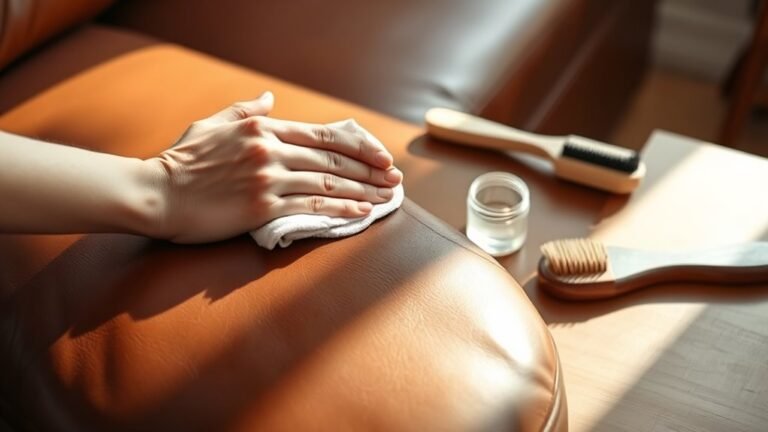
You’ll want to pick natural oils like coconut, jojoba, or olive oil to soften your leather effectively. Apply them carefully with a soft cloth using circular motions, and don’t overdo it to avoid buildup.
Regular conditioning will keep your leather flexible and prevent it from drying out over time.
Choosing Suitable Oils
Although many products claim to soften leather, natural oils like coconut, jojoba, and olive oil stand out for their ability to penetrate fibers and restore flexibility. When choosing suitable oils, consider these points:
- Natural oils such as olive oil deeply permeate leather, helping to soften leather and prevent stiff, brittle fashion accessories.
- Use a quality leather conditioner or pure oils to maintain flexibility without causing damage or discoloration.
- Always test oils on a small area before you apply oils widely to avoid stains and ensure compatibility.
Application Techniques
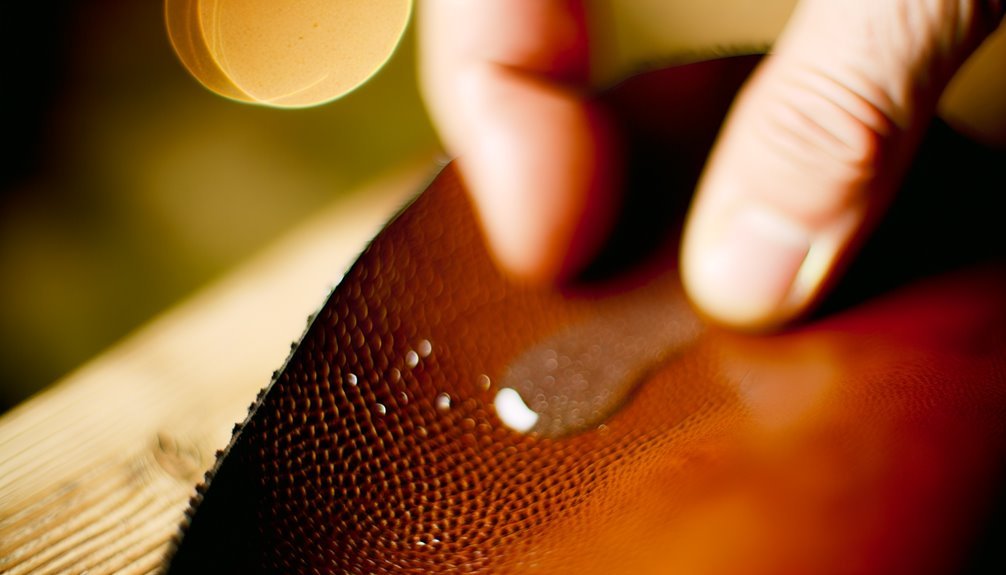
When softening leather with natural oils or conditioners, start by applying small amounts to clean leather using a soft cloth and broad, circular strokes. This method guarantees the oil penetrates evenly, helping treat the material gently.
Before you apply oil to your clothing or accessories, test it on a hidden spot to avoid unwanted darkening. Let the oil absorb fully; this could take several hours or overnight to achieve a softer, more flexible texture.
If the leather feels stiff, reapply oil gradually, but avoid over-saturating to prevent damage. Afterward, wipe off any excess with a clean cloth and follow up with a leather conditioner.
This approach keeps your leather supple and extends its life, making your items more comfortable and durable.
Conditioning Frequency
Since leather naturally loses moisture over time, you should condition it with natural oils like olive, coconut, or jojoba every 4 to 6 weeks to keep it soft and flexible. Regular conditioning helps maintain leather’s flexibility and prevent stiffness or cracking.
To get the best absorption and results, apply natural oils after cleaning your leather item.
Follow these steps to properly recondition your leather:
- Clean the leather surface thoroughly before applying oils.
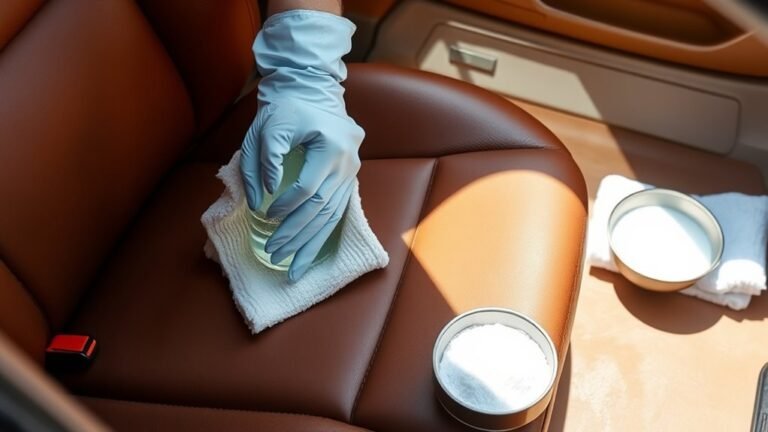
- Use a soft cloth to evenly spread a small amount of natural oil.
- Allow the oil to absorb fully before using the leather again.
Proper Care and Storage to Prevent Leather Stiffness
To keep your leather soft, store it in a cool, dry place away from direct sunlight and humidity. Make sure you clean it regularly with a soft cloth to remove dust and dirt that can cause stiffness.
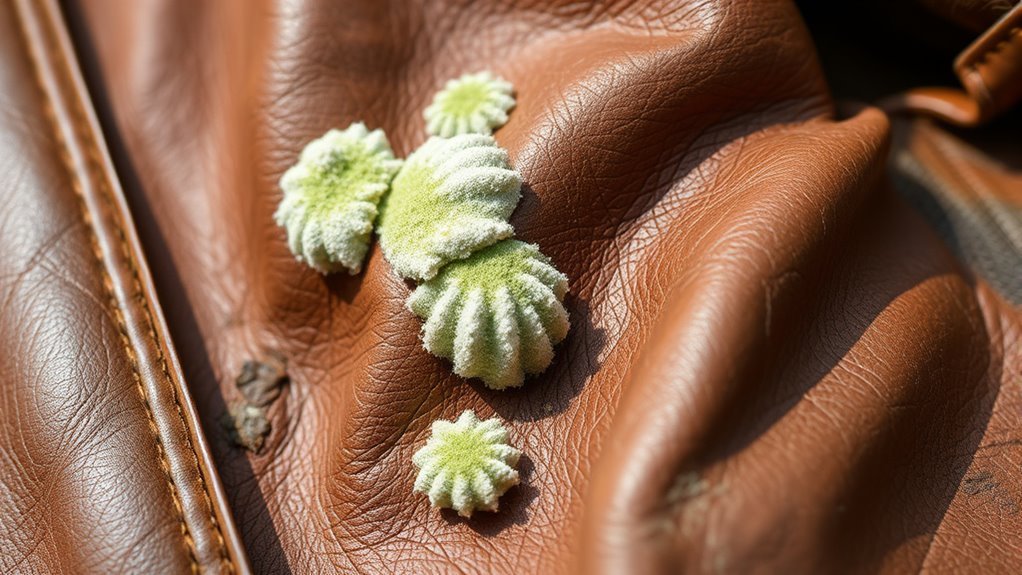
Using breathable storage like cotton bags helps prevent mold and keeps your leather in great shape.

Ideal Storage Conditions
Although leather is durable, improper storage can quickly cause it to stiffen and lose its natural suppleness. To prevent moisture buildup and deterioration, you need to create the ideal storage condition. Store your leather items in a cool, dry, and well-ventilated space to avoid trapped moisture that leads to stiffness.
Follow these steps:
- Keep leather away from direct sunlight and heat sources to preserve natural oils and prevent brittleness.
- Use breathable containers or dust bags to protect leather from dust, mold, and mildew while allowing air circulation.
- Avoid plastic wraps or humid environments, as they trap moisture and accelerate deterioration.
Regular Cleaning Routine
When you regularly clean your leather items, you prevent dirt and dust from causing stiffness and damage. Start your regular cleaning routine by wiping the surface gently with a clean cloth using moist, not wet, conditions to avoid soaking the leather.
Every few months, use specialized leather care products or a gentle leather cleaner to remove buildup and soften leather using safe methods. After cleaning, apply a high-quality leather conditioner to replenish natural oils and condition the leather, keeping it flexible and preventing surface stiffness.
Remember to store leather items properly in a cool, dry place to maintain their softness. Consistently following this routine helps you maintain supple, durable leather that resists cracking and stiffness over time.
Avoiding Environmental Damage
Since leather is sensitive to its surroundings, you should store it in a cool, dry place away from direct sunlight to keep its natural oils intact and prevent stiffness. Exposure to sunlight breaks down these oils, causing environmental damage that stiffens leather.
Use caution with storage conditions to avoid high humidity and moisture, which lead to mold and brittleness. Also, limit contact with harsh chemicals and cleaning solvents that strip natural oils and harden the surface.
To protect your leather, follow these tips:
- Store leather items in breathable containers or dust bags to prevent moisture buildup.
- Avoid damp environments and high humidity that cause swelling and stiffness.
- Use gentle, appropriate cleaning products regularly to maintain flexibility and prevent damage.
Specialized Techniques for Softening Old and Rugged Leather
If you want to breathe new life into old, rugged leather, you’ll need to use specialized techniques that go beyond basic conditioning. Start with gentle treatment by cleaning and rehydrating the leather. Soak it briefly, then dry it thoroughly.
Applying heat carefully with a hairdryer while massaging can soften stiff leather, boosting its pliability. After moisture restoration, use natural oils like neatsfoot or mink oil to penetrate deeply, restoring elasticity and preventing cracking.
For extra stubborn pieces, steaming in a sauna-like environment combined with oil application enhances softness further. Always avoid excessive heat or harsh chemicals to protect old leather.

Frequently Asked Questions
How Do You Soften Hard Leather?
You soften hard leather by applying natural oils, gently heating it with a hairdryer, rehydrating with a damp cloth, flexing it repeatedly, and using specialized leather conditioners.
Keep working the leather until it feels pliable and soft.
What Is the Best Oil to Soften Leather?
Think of mink oil as the secret elixir for your leather’s revival. You’ll love how it deeply softens and restores stiffness while boosting water resistance.
Just remember to test it first on a hidden spot.
Does Vaseline Make Leather Soft?
Yes, Vaseline can make leather soft temporarily by penetrating and increasing its pliability. But don’t overuse it. It can darken leather and leave a sticky residue. Use it sparingly and follow up with proper leather conditioner.
How to Break in Hard Leather?
Practice makes perfect, so flex and bend your hard leather regularly. Apply conditioner or natural oils, wear it often, and use gentle heat while stretching.
This breaks in the leather, making it softer and more comfortable.
Conclusion
You might think softening leather is tricky, but it’s easier than you expect—especially when you use natural oils and the right techniques. Just as leather stiffens over time, it can also bounce back to softness with proper care.
By understanding your leather type and storing it correctly, you’ll keep it supple longer. So, next time your leather feels tough, remember: a little attention goes a long way.
Softening leather is just a few steps away, and with the right care and products, your leather items will stay soft and flexible for years to come.