What Leather Alternative Won’t Crack? Best Durable Options
If you want a leather alternative that won’t crack, consider materials like PU leather, waxed cotton, or recycled rubber. These options provide durability and flexibility, making them excellent substitutes for traditional leather.
PU leather is flexible and resists drying out, which helps prevent cracking over time. Waxed cotton stays breathable and water-resistant without stiffening, maintaining comfort and protection. Recycled rubber offers exceptional elasticity, preventing cracks from bending or weather exposure.
Natural options like cork or Piñatex also maintain durability and flexibility over time. Keep exploring, and you’ll discover how these materials outlast traditional leather with the right care.
Understanding PU Leather and Its Benefits

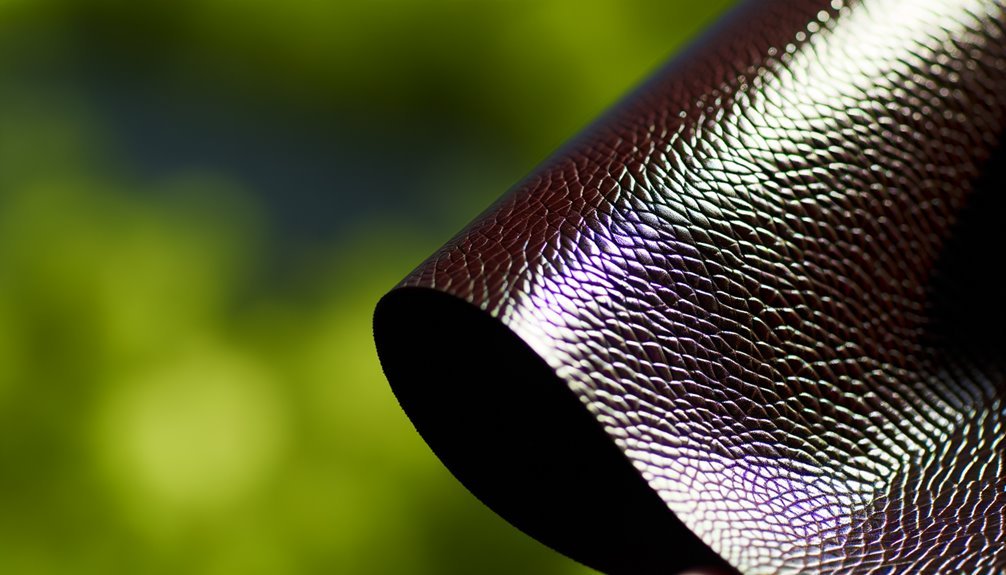
Although traditional leather can crack and peel over time, PU leather offers a flexible, durable alternative that resists these issues. You’ll find PU leather made from thermoplastic polyurethane, which keeps it crack-resistant and prevents drying out or brittleness common in genuine leather.
This means your items maintain their smooth, attractive look longer without worrying about unsightly cracks. Plus, the manufacturing process uses controlled conditions to ensure the surface stays intact. What’s even better is that many PU leather options now come with eco-friendly formulations, reducing environmental impact while boosting resilience.
The Durability of Synthetic Leather Materials
When you choose synthetic leather materials like PU or PVC, you benefit from specially engineered coatings that keep them flexible and durable, resisting cracks even after extended use. This durability stems from advanced manufacturing techniques that enhance elasticity and prevent cracking.
To get the most from your synthetic leather, consider these key factors:
- High-quality synthetic leather uses thick, reinforced fibers for better crack resistance.
- Cross-linking polymers boost flexibility and resilience during daily wear.
- Avoiding extreme heat and direct sunlight preserves the material’s durability.
- Innovations like micro-porous coatings extend the lifespan, keeping cracking at bay.
Why Traditional Leather Cracks Over Time
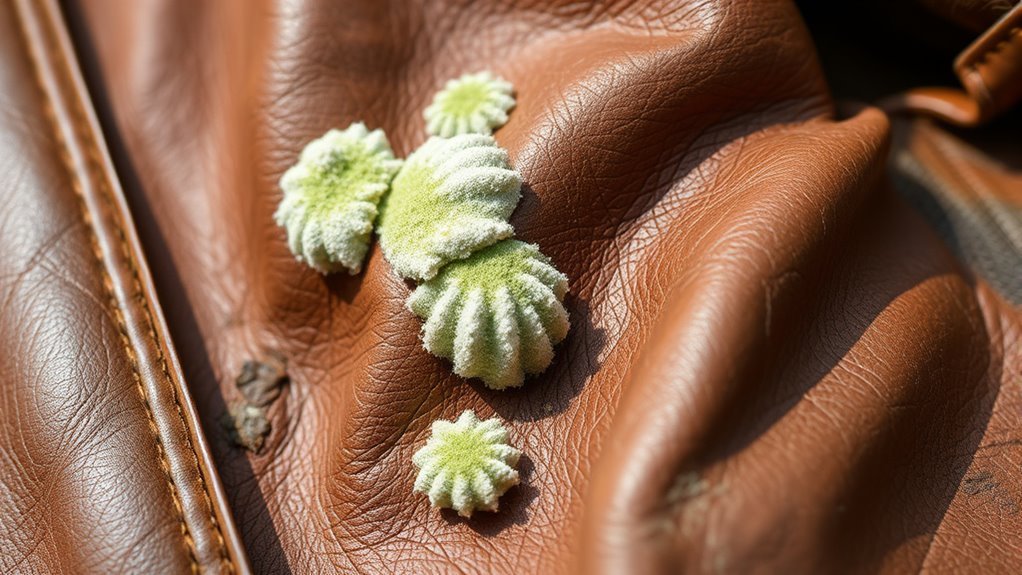
You’ll notice traditional leather starts cracking as it dries out, losing its natural flexibility. Sunlight speeds up this process by breaking down the leather’s fibers, while poor tanning quality weakens its structure.
Understanding these factors helps explain why leather doesn’t always stand the test of time.

Leather Drying Effects
Since traditional leather contains natural fibers, it dries out and cracks if you don’t keep it properly moisturized. The drying effects cause leather cracking as the collagen fibers break down over time. You’ll notice that exposure to dry air or improper care speeds this damage.
Unlike synthetic leather, which lacks natural fibers, traditional leather demands regular maintenance to stay supple.
Here’s why leather drying effects lead to cracking:
- Loss of natural oils leaves leather brittle.
- Dry air and low humidity accelerate moisture loss.
- Harsh cleaning chemicals strip essential oils.
- Lack of conditioning causes surface cracks and fissures.
If you want durability without these issues, synthetic leather is a smart alternative that resists drying and cracking.
Impact of Sunlight
Beyond drying effects, sunlight plays a major role in why traditional leather cracks over time. UV radiation breaks down the collagen and elastin proteins that give leather its strength and flexibility.
As these proteins weaken, the leather becomes brittle, causing surface cracks and deterioration, especially when exposed to constant sunlight and heat. If you leave leather products in direct sunlight, you’ll notice they dry out faster and develop cracks compared to items stored in the shade.
Unlike traditional leather, some ecologically friendly alternatives made from recycled plastic resist UV radiation and don’t lose moisture or flexibility. Choosing these sustainable materials helps you avoid the common issue of cracking while supporting environmentally responsible practices.
Quality of Tanning
Although traditional leather offers durability, its tanning process often leads to cracking over time. You’ll find that how leather is tanned greatly impacts its flexibility and lifespan. Here’s why traditional leather cracks:
- Chrome tanning uses chemicals that weaken collagen fibers, making leather brittle.
- Drying and stretching during tanning create internal stresses, causing surface cracks with use.
- Poorly processed leather lacks protective layers, so it cracks more easily.
- Vegetable tanning produces more flexible leather, and high-quality finishing helps resist cracking.
When you choose leather treated with vegetable tanning and finished well, you’ll get a flexible leather product that stands up to wear much better than typical chrome-tanned leather. This quality of tanning makes all the difference.
Waxed Cotton as a Resilient Alternative
When you choose waxed cotton, you get a material treated with natural waxes that create a water-resistant surface, preventing cracking and wear over time. Unlike leather, waxed cotton stays flexible and breathable, so it won’t stiffen or crack as it ages.
This flexibility means you can move comfortably without worrying about material fatigue. To keep it durable, you just need to re-wax it regularly, which restores its protective barrier and maintains its resilience. Waxed cotton also washes easily, making upkeep simple. Compared to pleather or synthetic alternatives, waxed cotton is less prone to cracking when properly cared for, making it a smart, long-lasting choice if you want a leather alternative that combines durability with water-resistant, flexible qualities.
Cork Leather’s Flexibility and Longevity
If you’re looking for a leather alternative that stays flexible and resists cracking, cork leather is a top contender. Thanks to its natural cellular structure, cork leather offers unmatched flexibility, bending and conforming without damage.
Its longevity is impressive, too, lasting for years with proper care. Here’s why cork leather stands out:
- Harvested sustainably every 9-12 years, maintaining elasticity over decades.
- Layered composition resists cracking even under frequent flexing.
- Develops a unique patina that enhances appearance without losing integrity.
- Suitable for accessories and footwear requiring durable, flexible materials.
With cork leather, you get a durable, eco-friendly option that holds up beautifully over time while staying soft and crack-free.
Mushroom Leather’s Natural Strength
Because mushroom leather comes from the mycelium, the root structure of fungi, it boasts natural strength and resists cracking better than many alternatives. You’ll find its flexible fiber network delivers durability similar to traditional leather without brittleness.
Its elasticity lets mushroom leather endure stretching and bending, reducing surface cracks over time. Plus, its dense fiber matrix keeps its structure intact even after prolonged use.
Unlike synthetics, mushroom leather’s natural makeup prevents drying out and cracking as it ages.
| Feature | Benefit |
|---|---|
| Mycelium-based fibers | Natural strength and flexibility |
| Elasticity | Resists cracking from bending |
| Dense fiber matrix | Maintains integrity over time |
| Natural composition | Less prone to drying and cracking |
Piñatex: Toughness From Pineapple Fibers
Mushroom leather’s natural resilience sets a high bar for alternatives, but Piñatex offers its own remarkable toughness thanks to pineapple leaf fibers. You’ll find Piñatex durable and flexible, making it a standout vegan leather choice. Here’s why it won’t crack easily:
- Pineapple fibers undergo washing, sun-drying, and purification to create a resilient material.
- Its high tensile strength resists splitting even with regular use.
- The natural fiber network maintains flexibility over time.
- Sustainable production methods enhance overall .durability compared to other vegan leathers
When you choose Piñatex, you get a leather alternative that combines eco-friendliness with lasting toughness. It’s perfect for products that need to withstand daily wear without cracking.

Recycled Rubber and Its Wear Resistance
You’ll appreciate how recycled rubber stands up to daily wear without cracking, thanks to its flexible and elastic nature. Its durability lets it handle bending and stretching while staying strong over time.
Plus, choosing recycled rubber supports sustainability by repurposing materials that might otherwise go to waste.
Durability of Recycled Rubber
When you choose products made from recycled rubber, you benefit from a material that resists cracking thanks to its flexible and elastic nature. This durability makes recycled rubber ideal for long-lasting use in everyday items.
Its wear resistance ensures the material holds up under frequent bending and stretching without damage. Here’s why recycled rubber stands out:
- Dense composition withstands repeated stress without cracking.
- Maintains structural integrity despite weather exposure.
- Suitable for footwear, bags, and accessories requiring durability.
- Minimal impact from regular use and environmental factors.
Resistance to Cracking
Because recycled rubber combines elasticity with durability, it resists cracking even under frequent bending and stretching. You’ll find that recycled rubber’s flexibility allows it to endure repeated movement without losing its integrity.
Unlike leather, recycled rubber maintains resistance to environmental stressors, making it ideal for products that flex daily. Its wear resistance ensures long-lasting durability, often outlasting traditional materials.
| Feature | Recycled Rubber | Leather |
|---|---|---|
| Elasticity | High | Moderate |
| Resistance to Cracking | Excellent | Moderate to Low |
| Durability | Long-lasting | Variable |
| Environmental Resistance | Strong | Weak |
| Wear Resistance | Superior | Moderate |
Choosing recycled rubber means opting for a material that stands up to real-world use without cracking.
Sustainable Material Benefits
Although many materials claim sustainability, recycled rubber truly delivers by combining eco-friendly sourcing with exceptional durability. When you choose recycled rubber, you get a crack-resistant, flexible material that outperforms many alternatives.
Here’s why it stands out among sustainable materials:
- Made from discarded inner tubes, it reduces waste and environmental impact.
- Its elasticity lets it bend and stretch repeatedly without surface fissures.
- It resists wear and cracking even under moisture and temperature changes.
- Properly crafted products last for years, ensuring long-term durability.
Apple Leather’s Aging and Durability
If you want a leather alternative that stands up to time without cracking, apple leather is a smart choice. Made from upcycled apple waste, apple leather ages gracefully, developing a unique patina instead of brittle cracks.
Its high content of flexible, plant-based fibers makes it less prone to drying out, unlike traditional leather. This natural flexibility enhances apple leather’s durability, allowing it to resist the brittleness that causes cracking in some synthetic or animal leathers.
When you use apple leather, you’ll notice it maintains strength and appearance over time. While proper care helps preserve its quality, the material itself inherently supports long-term aging without compromising durability, making it a reliable and sustainable leather alternative you can trust.

Caring for Leather Alternatives to Prevent Cracking
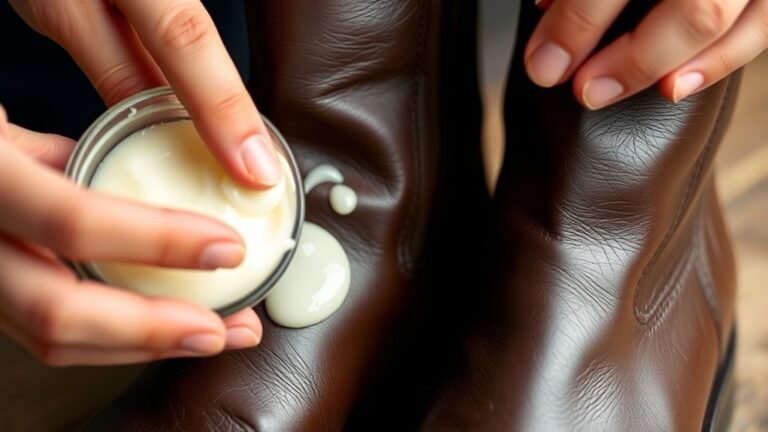
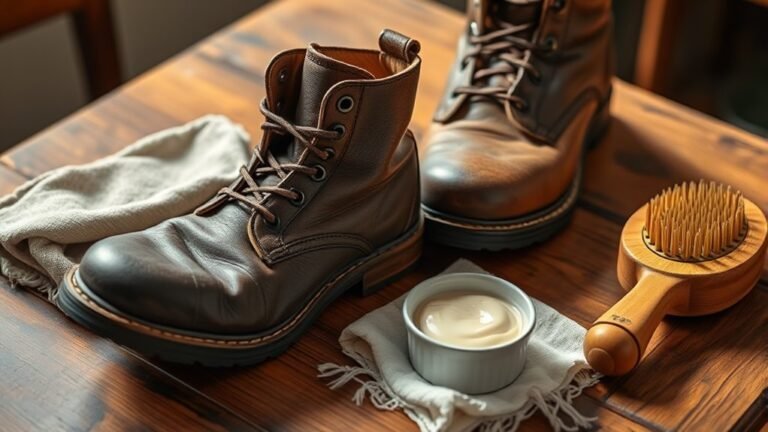
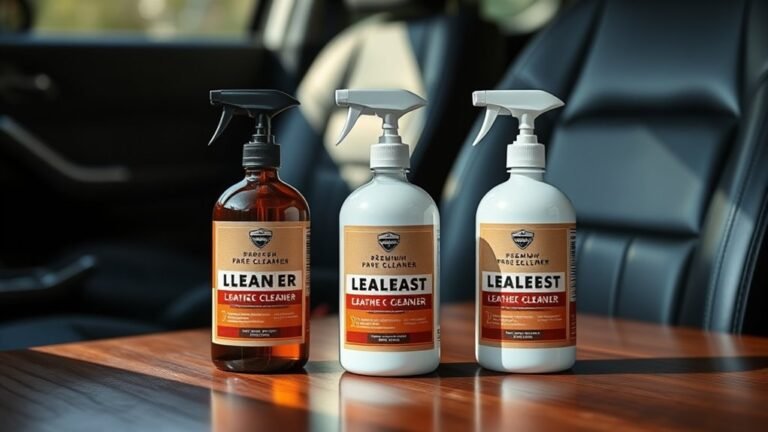
To keep your leather alternatives looking their best and prevent cracking, you’ll want to condition them regularly with products made specifically for vegan or plant-based materials. Proper conditioning maintains flexibility and extends the life of your vegan leather. Here’s how to care for it:
- Use a specialized conditioner designed for synthetic or plant-based leathers.
- Avoid harsh oils, solvents, or chemical cleaners that dry out the material.
- Keep your leather alternative away from excessive heat and direct sunlight.
- Store it in a cool, humid place with breathable covers to reduce moisture loss.
Regularly wiping the surface with a damp cloth before conditioning also helps maintain its durability and prevents cracking over time.
Frequently Asked Questions
Which Leather Does Not Crack?
You’ll find that high-quality vegan leathers like PU, mushroom, and cactus leather won’t crack easily.
Just make sure you clean and condition them regularly to keep their flexibility and durability intact over time.
Which Faux Leather Is Most Durable?
Think of PU leather like a marathon runner. It keeps going without breaking down.
You’ll find PU leather the most durable faux option, resisting cracks and wear far better than most alternatives, even after heavy use.
How to Prevent Cracking on Faux Leather?
You can prevent cracking on faux leather by regularly cleaning it with mild soap, avoiding direct sunlight and heat, and applying a faux leather conditioner. Keep it away from sharp objects, and store it in a cool, dry place properly.
What Is the Best Alternative to Leather?
You’ll love cactus leather. It’s 100% plant-based and highly durable, resisting cracks better than many alternatives. Its flexibility keeps it looking fresh longer, making it the best eco-friendly leather substitute you can rely on.
Conclusion
If you want a leather alternative that won’t crack, you’ve got options that stand strong and age gracefully. From the flexible charm of cork to the tough fibers of Piñatex and the resilient touch of waxed cotton, these materials don’t just survive—they thrive.
So, choose wisely, care gently, and watch your leather alternative flourish. Proving that durability and style can dance hand in hand without a single crack in sight, these leather alternatives that won’t crack are your best bet for lasting fashion and function.