How to Remove Mold From a Leather Jacket in 5 Easy Steps
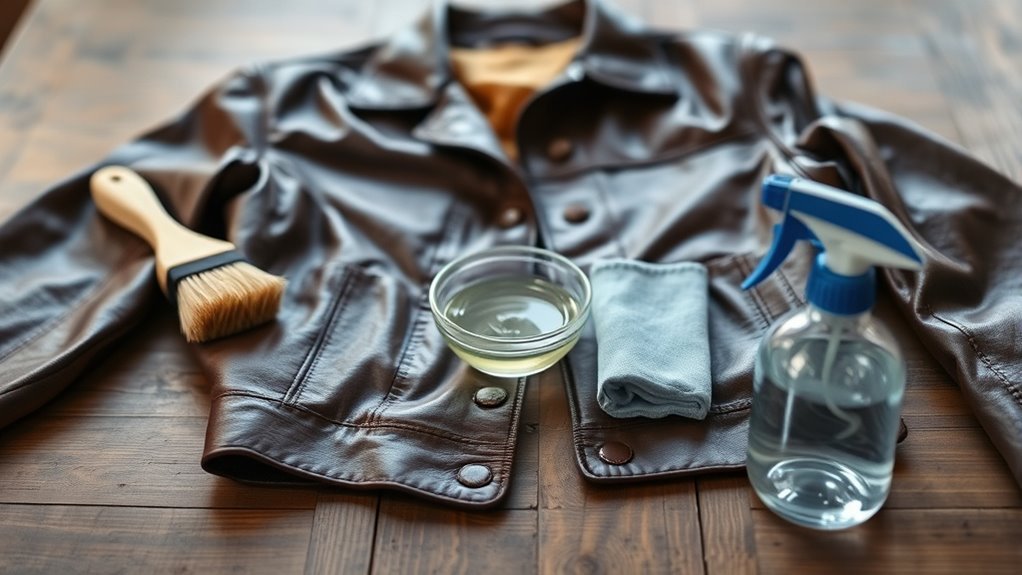
First, inspect your leather jacket carefully for any visible mold spots and check for a musty odor, which indicates mold presence. Gather all necessary supplies including gentle leather soap, a soft cloth, a brush, distilled water, and leather conditioner to ensure safe cleaning.
Brush off surface mold outdoors using gentle strokes to avoid spreading spores inside your home. Next, clean the jacket with a mild soap solution, wiping softly without soaking the leather. Rinse the area with plain distilled water to remove soap residue, then air dry the jacket away from direct heat sources.
Finally, apply a leather conditioner to keep the material supple and prevent cracking. Following these steps guarantees your jacket stays mold-free and well cared for. For more tips on protecting your leather’s longevity, continue exploring our detailed guide.
Assess the Extent of Mold on Your Jacket

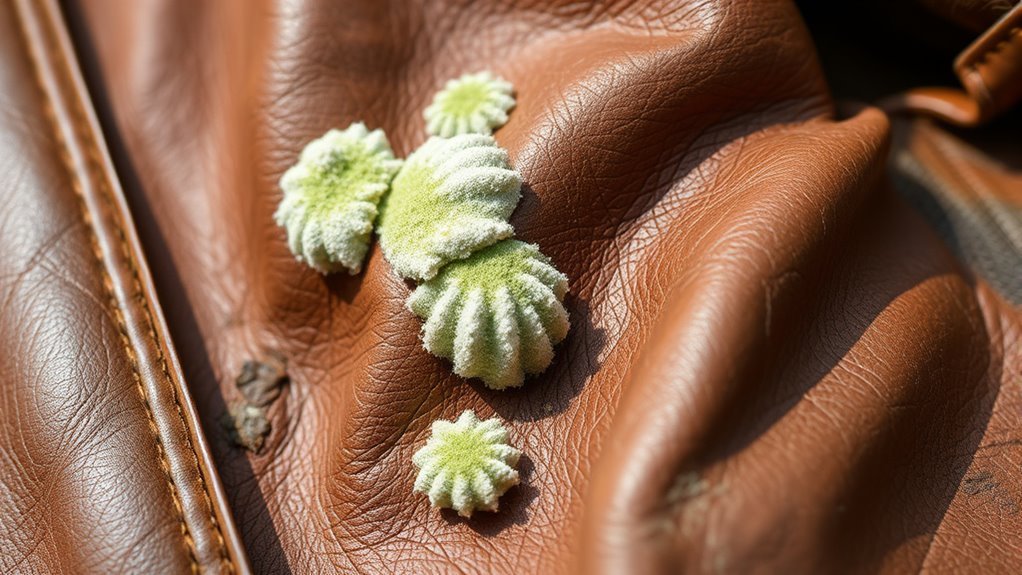
Before you begin cleaning, carefully inspect your leather jacket to determine how widespread the mold is. Look for visible patches of mold, usually appearing as white, green, or black spots. Check both the outer surface and inside the jacket, especially in seams and folds where moisture can hide.
Pay attention to any musty odors, as they indicate mold presence even if you can’t see it. Take note of how deep the mold has penetrated the leather. Surface mold is easier to treat, while deeper mold might require professional help.
Evaluating the extent of mold helps you decide how thorough your cleaning needs to be and prevents you from missing hidden mold that could damage your jacket further if left untreated.
Prepare Your Cleaning Supplies

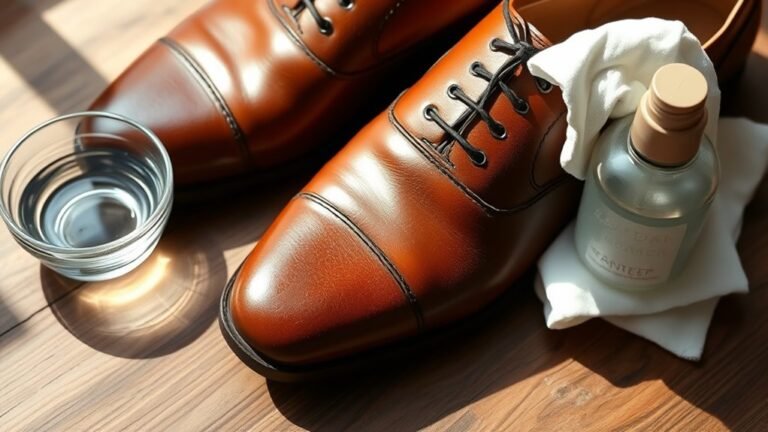
While gathering your cleaning supplies, focus on choosing gentle, leather-safe products to avoid damaging your jacket. Start with a soft cloth or microfiber towel to prevent scratching the leather.
Choose gentle, leather-safe products and a soft cloth to protect your jacket from damage during cleaning.
You’ll also need a small bowl of distilled water, as tap water can contain minerals that harm leather.
Select a mild soap designed specifically for leather or a gentle saddle soap. Avoid harsh chemicals or bleach.
Have a soft-bristled brush ready for stubborn spots, but use it sparingly.
Keep a spray bottle handy to lightly mist your cleaning solution if needed.
In the end, grab a leather conditioner to restore moisture after cleaning.
Preparing these supplies carefully ensures you treat your jacket with the care it deserves while effectively tackling mold issues.
Gently Remove Surface Mold

Since mold can be delicate and stubborn, you’ll want to start by gently brushing off the surface mold with a soft-bristled brush or cloth. This prevents pushing mold deeper into the leather.
Work outdoors or in a well-ventilated area to avoid inhaling spores. Use gentle, circular motions and avoid scrubbing aggressively.
| Step | Tool | Tip |
|---|---|---|
| 1 | Soft-bristled brush | Brush away loose mold gently |
| 2 | Dry cloth | Wipe off residues carefully |
| 3 | Work outdoors | Prevent inhaling spores |
| 4 | Gentle motions | Avoid damaging the leather |
Taking these careful steps helps keep your leather jacket mold-free without harming its surface.
Clean the Leather With a Mild Solution
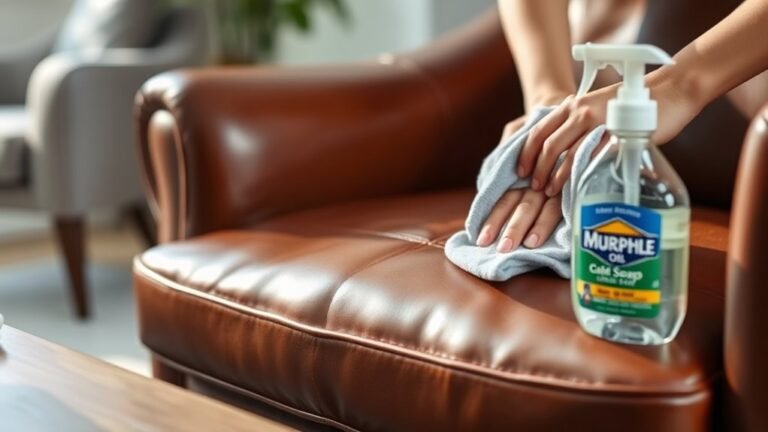
Once you’ve removed the surface mold, you can clean the leather using a mild solution that won’t damage its finish. Mix a few drops of gentle liquid soap, like baby shampoo or saddle soap, with warm water.
Dampen a soft cloth with the solution, don’t soak it, and gently wipe the leather in circular motions. Avoid harsh scrubbing, which can harm the leather.
After cleaning, use a separate damp cloth with plain water to remove any soap residue. Make sure to wring out excess water from your cloth to prevent over-wetting.
This process helps eliminate mold spores that might still be lurking while preserving the leather’s texture.
Let the jacket air out in a well-ventilated area before moving on to further care steps.
Condition and Dry Your Jacket Properly
After cleaning your leather jacket, you’ll need to condition it to restore moisture and prevent cracking. Apply a high-quality leather conditioner evenly with a soft cloth, working it gently into the leather. This step replenishes the oils stripped away during cleaning and keeps the material supple.
Condition your leather jacket after cleaning to restore moisture, prevent cracking, and keep it supple and soft.
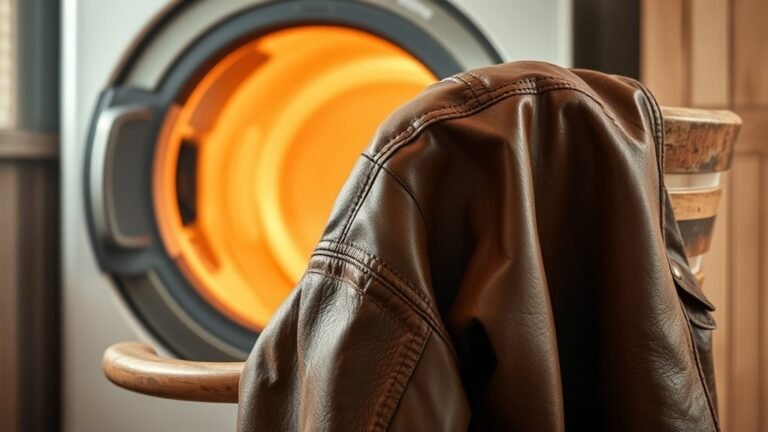
Avoid over-saturating the jacket to prevent damage. Once conditioned, let your jacket dry naturally in a well-ventilated area, away from direct sunlight or heat sources, which can cause the leather to stiffen or fade.
Hang it on a padded hanger to maintain its shape while drying. Proper conditioning and drying ensure your jacket stays soft, flexible, and mold-free, extending its life and appearance.
Don’t skip this essential step after mold removal to keep your leather jacket in top condition.
Frequently Asked Questions
Can Mold on Leather Cause Health Issues?
Yes, mold on leather can cause health issues like allergies or respiratory problems. If you’re sensitive or have asthma, it’s important you clean the mold promptly to avoid breathing in harmful spores and getting sick.
How Can I Prevent Mold From Returning on Leather?
You can prevent mold by keeping your leather jacket dry and storing it in a cool, well-ventilated area. Use a leather conditioner regularly, avoid plastic bags, and check it often to catch any early signs of mold.
Make sure the storage area has good air circulation to reduce moisture buildup. Avoid exposing the leather to excessive heat or direct sunlight, as this can damage the material.
If you notice any dampness, dry the leather promptly with a soft cloth. Regular maintenance and proper storage are key to preventing mold from returning on leather.
Is It Safe to Use a Leather Jacket After Mold Removal?
Yes, it’s safe to wear your leather jacket after mold removal if you’ve thoroughly cleaned and dried it.
Make sure no mold or smell remains to avoid health risks or further damage to the leather.
Can Mold Damage the Color or Texture of Leather?
You might think mold won’t harm your jacket, but it can actually damage leather’s color and texture if left untreated.
Act quickly to prevent stains and brittleness, keeping your jacket looking fresh and supple longer.
Should I Seek Professional Cleaning for Severe Mold Cases?
Yes, you should seek professional cleaning for severe mold cases. They have the expertise and tools to safely remove mold without damaging your leather jacket’s color or texture.
This ensures effective and thorough treatment.
Conclusion
Now that you’ve tackled mold like a pro, your leather jacket is basically a superhero in disguise—ready to fight off dirt, grime, and even the apocalypse!
With just a little care and these simple steps, you’ve saved your favorite jacket from becoming a lost cause. Keep it clean, conditioned, and dry, and it’ll stay fresh and fabulous for years.
Mold removal from leather jackets doesn’t stand a chance against your newfound leather-cleaning powers! Regular maintenance will ensure your jacket remains mold-free and looking great.