Is Vegan Leather Real Leather? Key Differences Explained
You might wonder if vegan leather is real leather, but it’s not. Vegan leather is made from plant-based materials like cactus or synthetic fabrics such as polyurethane, rather than animal hides. It looks similar but feels different and doesn’t develop the natural patina real leather does.
While it’s more animal-friendly and often more sustainable, it usually isn’t as durable or long-lasting.
Keep exploring to understand how vegan and real leather truly compare.
Defining Real Leather

Tanned from animal hides like cattle and goats, real leather offers you a durable, natural material that ages with character. Genuine leather comes from animal hides primarily sourced as byproducts of the meat industry, ensuring minimal waste.
When you choose real leather, you’re opting for a biodegradable product that naturally breaks down over time, unlike synthetic alternatives. The vegetable tanning process uses organic tannins from tree bark, making it an eco-friendlier way to treat leather.
This method enhances the leather’s strength and longevity, allowing it to develop a unique patina as it ages. While leather and vegan leather often get compared, it’s important to recognize that only real leather comes from animal hides and undergoes traditional tanning processes like vegetable tanning.
What Constitutes Vegan Leather
While real leather comes from animal hides and traditional tanning methods, vegan leather offers a completely different approach by using organic or plant-based materials such as cork, pineapple leaves, and mushroom fibers. When you choose vegan leather, you’re opting for an alternative that’s cruelty-free and often more sustainable.
Vegan leather materials can be natural, like those plant-based options, or synthetic, typically involving coated fabrics like polyester or polyurethane to mimic real leather’s look and feel. The quality of vegan leather varies widely depending on these materials and production techniques, so it’s important to contemplate durability and texture.
Ultimately, vegan leather constitutes a broad category of leather alternatives designed to provide ethical, eco-conscious options without sacrificing style or usability.
Materials Used in Vegan Leather Production
You’ll find that most vegan leather relies on synthetic plastics like PVC or polyurethane, which get bonded to fabrics through plastic coating processes.
But there are also natural alternatives made from plants such as cactus, cork, and pineapple leaves. Understanding these materials helps you see the wide range of options behind vegan leather production.

Synthetic Material Components
Because vegan leather relies heavily on synthetic plastics, you’ll find that most products use materials like polyvinyl chloride (PVC) and polyurethane (PU), both derived from petrochemicals. PVC involves chemical processing that bonds plastic coatings to fabric but releases harmful dioxins and contains toxic plasticizers.
PU is a newer alternative, designed to lower environmental impact, yet still depends on chemical treatments. Although synthetic, these materials differ in eco-friendliness and health risks.
| Material | Origin |
|---|---|
| Polyvinyl Chloride | Petrochemical |
| Polyurethane | Petrochemical |
| Organic Materials | Plant-based |
| Eco-friendly | Emerging trend |
Understanding these synthetic components helps you grasp the trade-offs in vegan leather production.
Plant-Based Alternatives
Beyond synthetic plastics, vegan leather incorporates innovative plant-based materials that offer more sustainable options. You’ll find items made from pineapple leaves, cactus, mushroom mycelium, apple peels, and cork.
These plant-based fibers transform into flexible, durable sheets that mimic real leather without harming animals. Cactus leather stands out as an eco-friendly choice since it requires minimal water and no pesticides.
Mushroom leather, derived from mycelium, grows quickly and has a low environmental footprint. Plus, many plant-based vegan leathers are biodegradable, meaning they break down naturally and reduce long-term waste.
Plastic Coating Processes
Although vegan leather often relies on innovative plant-based materials, many products still use plastic coatings to achieve durability and texture. You’ll find that these coatings mainly involve:
- PVC, which bonds a plastic film to fabric but releases toxic dioxins and hazardous chemicals during production and disposal.
- Polyurethane (PU), a synthetic polymer coating that’s more flexible and less toxic than PVC, making it a somewhat eco-friendlier option.
- The use of plasticisers and solvents in these processes, which emit volatile organic compounds (VOCs) harmful to both health and the environment. While plastic coatings provide durability, you should be aware of the environmental trade-offs involved. If you want to avoid these issues, consider plant-based vegan leathers that skip plastic coatings altogether.
Durability Comparison: Vegan Leather Vs Real Leather
When you’re choosing between vegan and real leather, durability and care play a big role. Real leather tends to last for decades and even improves with age, while vegan leather may wear out faster without proper maintenance.
Let’s look at how each material holds up over time and what you can do to keep them looking their best.
Longevity and Wear
If you want a material that stands the test of time, real leather proves its worth by lasting decades and developing a unique patina that adds character. When considering longevity and wear, keep these points in mind:
- Real leather offers superior durability and wear resistance due to its natural fibers, preventing cracking and stretching over time.
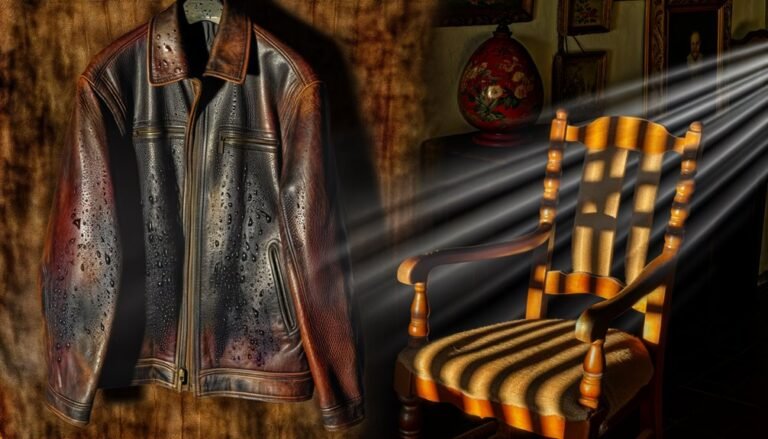
- Vegan leather generally has a shorter lifespan, often showing signs of cracking and peeling within a couple of years, especially if exposed to moisture since it’s less waterproof.
- Though high-quality vegan leather is improving, it still can’t match the aging grace and tensile strength of genuine leather.
Choosing real leather means you invest in long-lasting material, while vegan leather may require more frequent replacement due to its lower durability.
Maintenance and Care
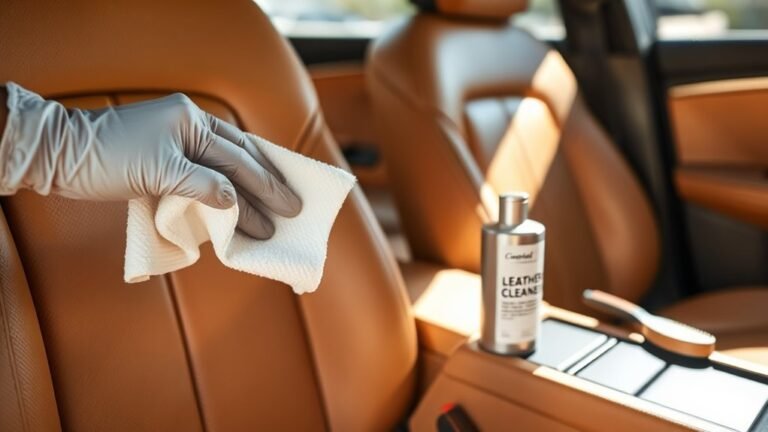
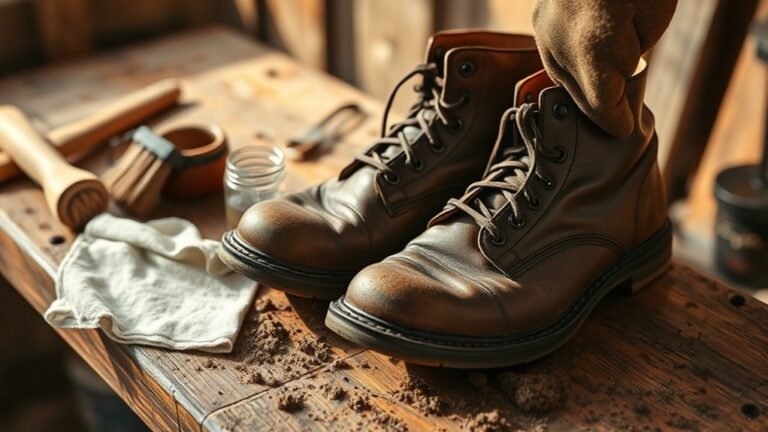
Since real leather responds well to regular conditioning with oils or creams, you can keep it supple and extend its life considerably. Proper maintenance and care involve avoiding excessive water and extreme temperatures, which helps maintain its durability.
Vegan leather, however, doesn’t absorb conditioners as effectively due to low permeability, so conditioning plays a smaller role in its upkeep. Instead, you’ll need to clean it gently with a damp cloth and use specialized conditioners to prevent cracking and peeling.
While high-quality vegan leather can last several years, it’s generally more prone to scratches and UV damage than real leather. Overall, leather’s durability benefits more from consistent maintenance and conditioning, whereas vegan leather demands cautious care to preserve its appearance but often shows wear sooner.

Environmental Impact of Vegan Leather
Although vegan leather spares animals and reduces farming-related emissions, its environmental impact isn’t always better. Most vegan leathers use PVC or polyurethane, plastics derived from fossil fuels that aren’t biodegradable. Their production releases harmful chemicals, affecting water and ecosystems.
Here’s what you should know:
- PVC-based vegan leather emits toxic dioxins during manufacturing and disposal, causing pollution and health risks.
- Polyurethane production demands high energy, increasing its carbon footprint despite avoiding animal farming emissions.
- Some plant-based alternatives, like cactus or pineapple fibers, offer better sustainability and lower environmental impact.
Appearance and Sensory Differences
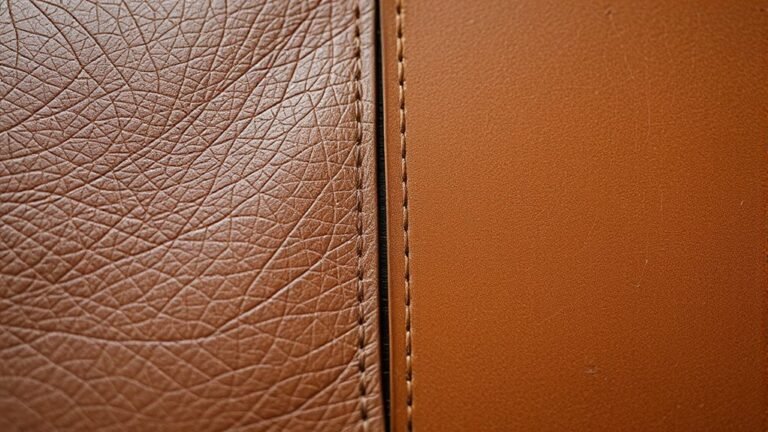
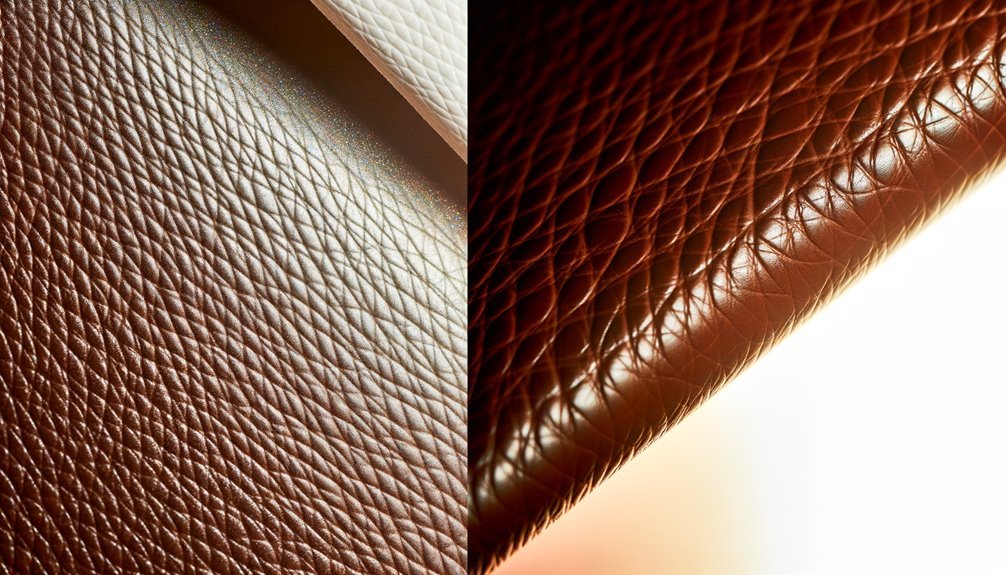
Understanding the environmental impact of vegan versus real leather is important, but appearance and feel often influence your choice just as much. Real leather boasts a natural, uneven texture with visible pores that give it a unique appearance. Over time, it develops a rich patina, adding character and depth.
You’ll notice its warm, soft feel and earthy odor, which many find appealing. Vegan leather, however, usually has a uniform, smooth surface lacking natural pores and can feel stiffer or plasticky. Its odor often hints at chemicals from the manufacturing process.
While vegan leather may look pristine at first, it tends to crack or peel rather than age gracefully. When choosing, consider how these sensory differences align with your style and expectations.
Maintenance and Care for Vegan Leather
If you want your vegan leather items to look their best, you’ll need to care for them properly. The maintenance of faux leather is straightforward if you follow these tips:
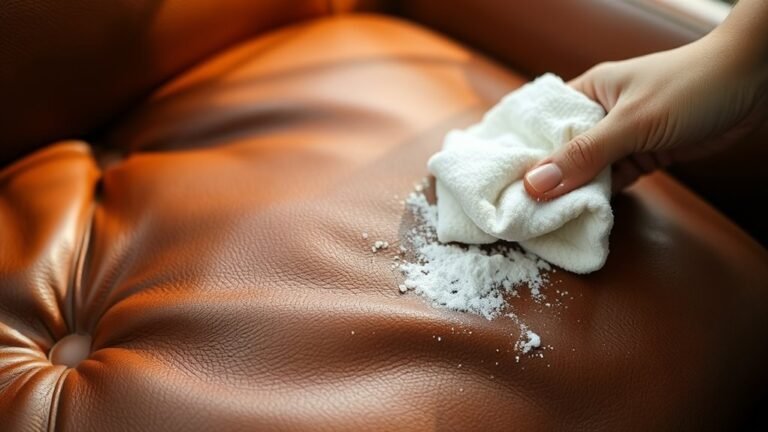
- For cleaning vegan leather, use a damp soft cloth with mild soap or specialized vegan leather cleaning products. Avoid harsh chemicals to prevent surface damage.
- Focus on preventing cracking vegan leather by keeping items away from excessive heat and direct sunlight, which can cause fading and brittleness.
- When storing vegan leather, keep it in a cool, dry place to preserve appearance and prolong lifespan.
Avoid petroleum-based products or waxes, as they degrade the material. Following these vegan leather care steps ensures your items stay flexible, beautiful, and durable for years.

Common Myths About Vegan Leather
While vegan leather has gained popularity as an alternative to real leather, many misconceptions still surround it. You might think vegan leather made from synthetic leather like PVC or PU is genuine leather, but it’s actually imitation leather, often referred to as faux leather.
People often believe faux leather matches the durability and quality of real leather, but synthetic leather usually wears out faster and lacks the same strength. Another myth is that vegan leather is always more sustainable; however, many versions come from non-biodegradable plastics, harming the environment.
You might also expect vegan leather to have a natural leather smell, yet it often carries a chemical odor from manufacturing. Remember, the quality of the material varies widely and rarely equals that of genuine leather.
Frequently Asked Questions
Does Vegan Leather Peel Off?
Yes, vegan leather can peel off, especially cheaper types made from PVC or PU. You’ll want to care for it properly, avoiding moisture and using conditioners to help reduce peeling and extend its lifespan.
What Are the Disadvantages of Vegan Leather?
You’ll love watching your vegan leather crack like a desert in summer, peeling, fading, and smelling like a chemical factory.
It’s short-lived, pollutes, and isn’t biodegradable, so you’ll be replacing it more often than you’d like.
How Long Will Vegan Leather Last?
You can expect vegan leather to last between 1 to 5 years, depending on the type and care. Plant-based options usually last longer, but PVC variants may crack or peel within 1 to 2 years of use.
Do Luxury Brands Use Vegan Leather?
Of course, luxury brands use vegan leather; it’s just their secret weapon to save the planet while looking fabulous. You’ll find Gucci and Prada rocking it, proving you can be eco-friendly and stylish without the cow’s permission.
Conclusion
You might think vegan leather could magically transform into real leather overnight, but it simply can’t. While it mimics the look and feel, it’s a whole different beast with unique materials and care. Its durability and eco-impact aren’t just minor details—they’re game-changers.
So, if you’re chasing genuine leather, vegan alternatives won’t fool your senses. But if you want style with a conscience, vegan leather’s got you covered in ways real leather never could. When considering is vegan leather real leather, remember that vegan leather offers an ethical and sustainable option without compromising on fashion.