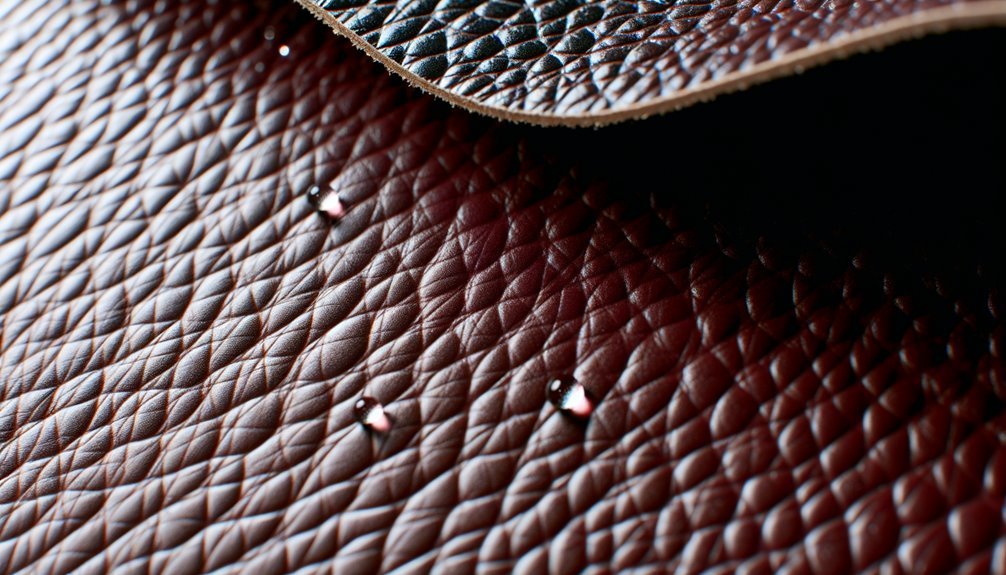
What Is Vegan Leather? Everything You Need to Know
Vegan leather is a cruelty-free, sustainable alternative to traditional leather that appeals to environmentally conscious consumers. Made from synthetic materials like polyurethane or innovative plant-based sources such as pineapple leaves, cactus, and mushrooms, it offers an ethical option in fashion and upholstery.
This material looks and feels like real leather but does not involve animal skins, making it a popular choice for those seeking animal-friendly products. Vegan leather combines eco-friendly fibers and plastics, resulting in durable and stylish products that suit various uses.
While some vegan leather options are more sustainable than others, exploring different types and production methods can help you understand their environmental impact. This knowledge allows you to make informed choices that align with your values and sustainability goals.
Definition and Composition of Vegan Leather

What exactly is vegan leather made of? Vegan leather is crafted from synthetic materials like polyurethane (PU) and PVC or from organic materials sourced from plants. You’ll find plant-based leathers made from natural fibers such as pineapple leaves, cactus leather derived from prickly-pear cactus, and apple peels from fruit industry waste.
These materials mimic traditional leather’s look and feel without using animal skins. Most vegan leathers are created by bonding plastics to fabrics or processing organic materials into durable sheets. This mix of synthetic and plant-based components allows you to enjoy cruelty-free leather alternatives.
Whether it’s primarily petroleum-derived plastics or bio-based compounds combined with natural fibers, vegan leather offers a versatile, animal-friendly option for your fashion and accessory needs.
Types and Materials of Plant-Based Leather
Although synthetic options dominate the vegan leather market, plant-based materials are gaining popularity for their sustainability and unique qualities. You’ll find various vegan leather materials like mushroom leather, pineapple leather, cork leather, and apple leather, each offering eco-friendly, biodegradable alternatives to traditional leather.
Mushroom leather grows from fungi mycelium, providing a sustainable option, while pineapple leather uses leaves from pineapple plants, minimizing waste. Cork leather, harvested from cork oak bark without harming trees, is naturally biodegradable but less durable.
Apple leather, made from apple peels, stands out for its low CO₂ footprint and biodegradability. These alternative materials form the core of plant-based leather, giving you sustainable leather choices that reduce environmental impact without sacrificing style or function.
Production Processes of Vegan Leather
When you explore how vegan leather is made, you’ll find it involves blending natural plant materials or synthetic polymers with fabric backings to achieve durability and flexibility. The production processes vary depending on the source: for plant-based materials like pineapple leaf fiber or mushroom mycelium, agricultural waste is cultivated, harvested, washed, and compressed.
Then, the material undergoes dying, drying, and bonding with synthetic polymers such as polyurethane. Apple leather spreads apple puree onto backing, dries it, and coats it with polyurethane or powder. Cork leather comes from bark that’s dried, boiled, pressed, and bonded with polyurethane for strength.
Throughout manufacturing, plant fibers and synthetic polymers combine through precise dying, drying, and bonding steps, resulting in a flexible, durable vegan leather alternative that suits various applications.

Environmental Impact and Sustainability Considerations
Since vegan leather comes from a variety of materials, its environmental impact can vary greatly depending on what it’s made from and how it’s produced. Synthetic options like PVC and PU often shed microplastics, contributing to chemical pollution and harming marine life. They also require significant water use and involve toxic chemicals in the manufacturing process.
On the other hand, biodegradable materials such as cork, cactus, apple, and mushroom leather offer a more sustainable production by repurposing agricultural waste, reducing landfill waste and methane emissions. While these natural alternatives lower environmental impact, you should still consider how each product is made.
Choosing vegan leather made from biodegradable materials and produced through sustainable production methods helps minimize harm to ecosystems and workers’ health, making your choice more eco-friendly overall.
Comparing Faux Leather and Real Leather
How do faux leather and real leather truly differ? Faux leather, a type of vegan leather, is synthetic, made from plastics like PVC or PU, while real leather comes from animal skins such as cows or sheep.
Real leather ages gracefully, developing a unique patina through the tanning process, whereas faux leather retains a plastic smell and doesn’t age naturally. You’ll find faux leather easier to clean but less durable, lasting 2-5 years, compared to real leather’s decades-long durability. However, producing faux leather releases chemical pollutants, impacting eco-friendly goals, while real leather’s tanning can be natural or chemical, with vegetable tanning being more sustainable. Though faux leather costs less upfront, real leather’s biodegradability and longevity often make it a more sustainable choice in the long run.
Frequently Asked Questions
What Is Vegan Leather Made Out Of?
Vegan leather’s made from synthetic plastics like PVC or PU, or plant-based materials like mushrooms, pineapple leaves, cactus, cork, and apple peels.
Sometimes it even uses bio-waste like shrimp shells to create eco-friendly alternatives.
What Are the Disadvantages of Vegan Leather?
You’ll find vegan leather lasts only 2-5 years, forcing frequent replacements. It’s often made from plastics that shed microplastics, polluting oceans.
Plus, it lacks breathability and involves toxic chemicals during production.
Does Vegan Leather Peel Off?
Yes, vegan leather can peel, especially if it’s made from lower-quality PVC or polyurethane. You can prevent peeling by properly cleaning and conditioning it, and opting for higher-quality or plant-based options like cactus leather that resist cracking.
Is Vegan Leather the Same as PU Leather?
No, vegan leather isn’t the same as PU leather. PU leather is a type of vegan leather made from plastic polymers, but vegan leather also includes other materials like mushroom or pineapple-based options that aren’t synthetic.
Conclusion
When you think of leather, imagine the soft touch of a leaf transformed into something durable and stylish—that’s vegan leather for you. It’s not just a clever imitation; it’s a conscious choice blending innovation and care for the planet.
By choosing vegan leather, you’re stepping into a future where fashion respects nature. This material proves that style and sustainability can walk hand in hand, leaving a lighter footprint on the earth.
Vegan leather offers an eco-friendly alternative that reduces harm to animals and the environment. Embracing vegan leather means supporting cruelty-free products and sustainable fashion practices.